No link between air pollution & deaths: Govt
In a statement that is likely to raise eyebrows, Minister of State for Health, Prataprao Jadhav, told the Rajya Sabha on Tuesday that there was no conclusive data in India to establish a direct link between deaths exclusively with air pollution. This statement has sparked a debate about the impact of air pollution on public health in the country. According to Jadhav, “The health effects of air pollution are a synergistic manifestation of factors, which include food habits, occupational habits, socioeconomic status, medical history, immunity, heredity, etc.” This implies that while air pollution may be a contributing factor to health problems, it is not the sole cause of deaths in India.
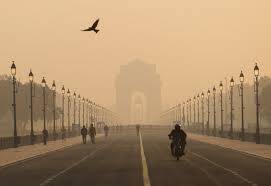
The statement has been met with skepticism by environmentalists and health experts, who argue that there is overwhelming evidence to suggest that air pollution is a major public health concern in India. The country is home to some of the most polluted cities in the world, with Delhi being a prime example. The capital city has been struggling with severe air pollution for years, with particulate matter (PM) levels often exceeding safe limits. This has led to a significant increase in respiratory problems, such as asthma and chronic obstructive pulmonary disease (COPD), among the city’s residents.
Despite the evidence, the government’s stance on air pollution has been criticized for being inadequate. The Minister’s statement suggests that the government is downplaying the impact of air pollution on public health, and instead, attributing it to a range of other factors. While it is true that lifestyle factors, such as diet and occupation, can contribute to health problems, it is unfair to dismiss the role of air pollution entirely.
In recent years, there has been a growing body of research that highlights the link between air pollution and mortality. A study published in the journal Lancet estimated that air pollution is responsible for over 1.2 million deaths in India every year. Another study published in the journal Environmental Health Perspectives found that exposure to particulate matter (PM) can increase the risk of cardiovascular disease, respiratory disease, and even cancer.
The government’s statement has also been criticized for being at odds with the findings of its own agencies. The Central Pollution Control Board (CPCB) has acknowledged that air pollution is a major public health concern in India, and has been working to implement measures to reduce pollution levels. The National Clean Air Programme (NCAP), launched in 2019, aims to reduce particulate matter (PM) levels by 20-30% by 2024. However, the programme has been criticized for being inadequate, and for not doing enough to address the root causes of air pollution.
The Minister’s statement has also raised questions about the government’s commitment to addressing air pollution. If the government is not willing to acknowledge the link between air pollution and deaths, it is unlikely to take adequate measures to address the problem. This could have serious consequences for public health, particularly for vulnerable populations such as children, the elderly, and those with pre-existing medical conditions.
In conclusion, the government’s statement on air pollution and deaths is a cause for concern. While it is true that lifestyle factors can contribute to health problems, it is unfair to dismiss the role of air pollution entirely. The evidence suggests that air pollution is a major public health concern in India, and the government needs to take urgent action to address it. This includes implementing measures to reduce pollution levels, increasing funding for research and monitoring, and raising awareness about the risks of air pollution. Only then can we hope to mitigate the impact of air pollution on public health and create a healthier environment for all.
Source: https://x.com/PTI_News/status/1998360503333355572
About the Author