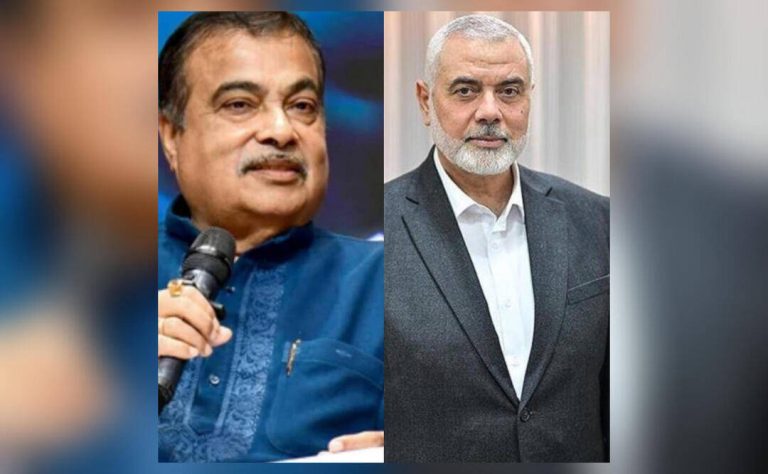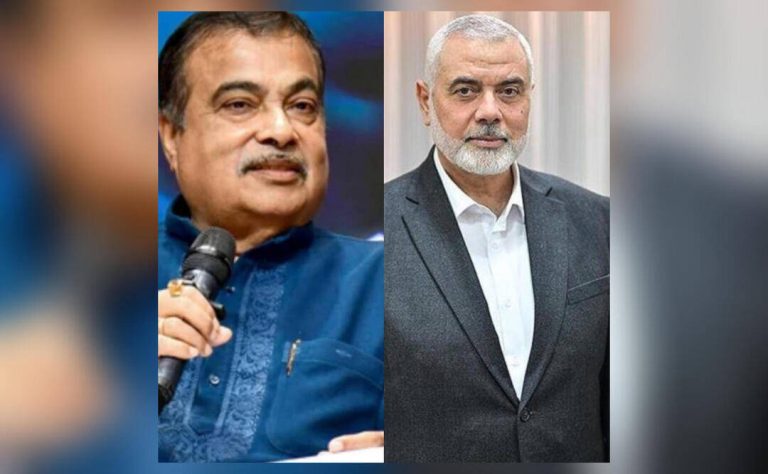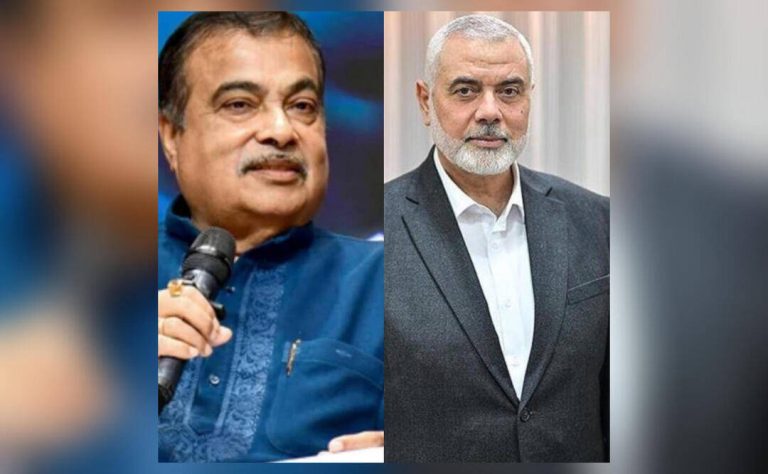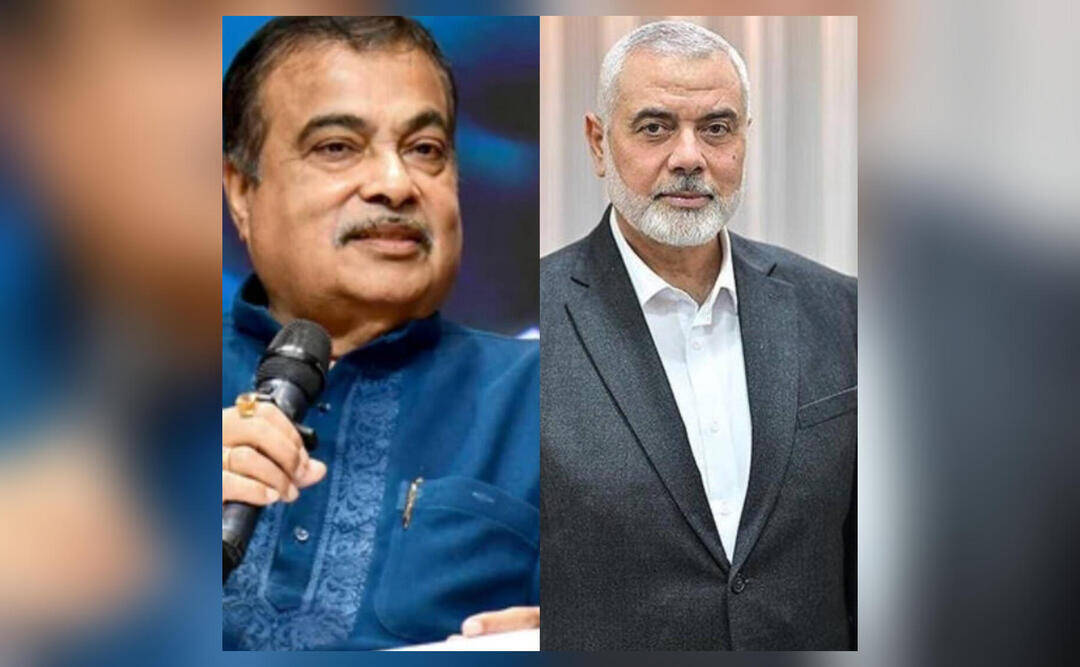
Nitin Gadkari says he met Hamas leader Ismail Haniyeh hours before his murder in Iran
In a shocking revelation, Union Minister Nitin Gadkari disclosed that he had a meeting with Hamas political chief Ismail Haniyeh in Tehran, just hours before the latter’s assassination in 2024. The meeting took place when both Gadkari and Haniyeh were in Iran to attend the inauguration of Masoud Pezeshkian, a significant event that brought together various dignitaries from around the world.
According to Gadkari, after attending the inauguration ceremony, he returned to his hotel, unaware of the ominous events that were about to unfold. It was only later that the Indian ambassador informed him that they would have to leave immediately due to the assassination of Ismail Haniyeh. This sudden turn of events sent shockwaves, and Gadkari’s revelation has brought to light the intriguing circumstances surrounding the meeting and the subsequent assassination.
The assassination of Ismail Haniyeh has been attributed to a joint operation between the Israeli intelligence agency Mossad and the Iranian Revolutionary Guard Corps (IRGC). The details of the operation are still emerging, but it is clear that the killing was a targeted and deliberate act. The fact that Gadkari met with Haniyeh just hours before his murder raises questions about the security and intelligence surrounding the event.
Gadkari’s meeting with Haniyeh was likely a significant diplomatic engagement, given the importance of the inauguration ceremony and the presence of various international dignitaries. The fact that the two leaders were able to meet and discuss matters of mutual interest highlights the complex web of relationships between different countries and organizations in the region.
The assassination of Ismail Haniyeh has significant implications for the Middle East and the global community. As the political chief of Hamas, Haniyeh played a crucial role in shaping the organization’s policies and strategies. His killing is likely to create a power vacuum and could lead to further instability in the region.
The involvement of Mossad and IRGC in the assassination has also raised questions about the role of external actors in the region. The fact that these two agencies were able to carry out a targeted operation in Iran, a country with significant security and intelligence capabilities, is a testament to the complexities of the regional dynamics.
Gadkari’s revelation has also sparked interest in the Indian government’s stance on the issue. As a major player in regional and global affairs, India’s response to the assassination will be closely watched. The fact that Gadkari, a senior Union Minister, was in attendance at the inauguration ceremony and met with Haniyeh highlights the importance of India’s relationships with countries in the region.
In the coming days and weeks, more details are likely to emerge about the assassination and its aftermath. The international community will be watching closely as the situation unfolds, and the implications of the event become clearer. For now, Gadkari’s revelation has added a new layer of complexity to the story, highlighting the intricate web of relationships and interests that exist in the region.
As the world grapples with the implications of the assassination, it is essential to consider the broader context of the event. The Middle East is a region of significant strategic importance, with various countries and organizations vying for influence and power. The assassination of Ismail Haniyeh is a reminder of the complexities and challenges that exist in the region, and the need for careful diplomacy and engagement.
In conclusion, the revelation by Nitin Gadkari that he met with Ismail Haniyeh hours before his assassination has added a new dimension to the story. The fact that the two leaders were able to meet and discuss matters of mutual interest, only to have Haniyeh killed in a targeted operation, highlights the complexities and challenges of the region. As the situation continues to unfold, it is essential to consider the broader context and the implications of the event for the region and the world.
About the Author