India to account for over 40% of global oil demand growth by 2035
The world’s energy landscape is undergoing a significant transformation, with emerging economies like India playing a crucial role in shaping the future of global energy demand. According to recent estimates shared by the Indian government, the country is expected to account for over 40% of the global increase in oil demand between 2024 and 2035. This staggering projection highlights the rapid growth of India’s energy needs, driven by its expanding economy, increasing population, and rising standards of living.
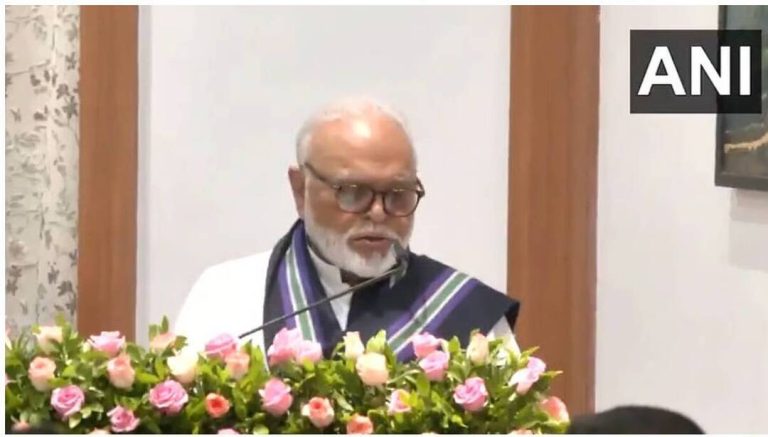
The data, shared by Minister of Petroleum and Natural Gas Hardeep Singh Puri in response to a starred question in the Lok Sabha, also reveals that India will contribute about 8% of the growth in natural gas demand during the same period. These estimates underscore the significance of India’s role in the global energy market and the need for the country to enhance its domestic exploration and production capabilities to meet its burgeoning energy requirements.
India’s energy demand has been rising steadily over the years, driven by its rapid economic growth, urbanization, and industrialization. The country’s oil demand, in particular, has been increasing at a rapid pace, with the transport sector being the primary driver of this growth. As the country’s economy continues to expand, its energy needs are expected to rise further, making it one of the largest energy consumers in the world.
The Indian government has recognized the need to enhance domestic exploration and production to reduce the country’s dependence on imported fossil fuels. The government has launched several initiatives to boost domestic oil and gas production, including the introduction of new policies and regulations to attract investment in the sector. These efforts are expected to help increase India’s self-sufficiency in energy production, reducing its reliance on imported fuels and mitigating the impact of price volatility on the economy.
The estimates shared by the government also highlight the importance of natural gas in India’s energy mix. Natural gas is a cleaner-burning fuel than oil and coal, and its use can help reduce greenhouse gas emissions and improve air quality. The government has set a target to increase the share of natural gas in the country’s energy mix to 15% by 2030, up from around 6% currently. To achieve this goal, the government is promoting the use of natural gas in various sectors, including power generation, industry, and transport.
The growth in India’s energy demand also presents opportunities for the country to transition to a more sustainable energy mix. The government has set ambitious targets to increase the share of renewable energy in the country’s energy mix, with a focus on solar and wind power. India aims to achieve 40% of its installed power generation capacity from non-fossil fuels by 2030, up from around 25% currently. The government is also promoting the use of electric vehicles and other alternative modes of transportation to reduce dependence on fossil fuels.
In conclusion, India’s energy demand is expected to play a significant role in shaping the global energy landscape in the coming years. The country’s rapid economic growth, increasing population, and rising standards of living are driving its energy needs, with oil and natural gas being the primary fuels of choice. The government’s estimates highlight the need for India to enhance its domestic exploration and production capabilities to reduce its dependence on imported fuels. At the same time, the country must also focus on transitioning to a more sustainable energy mix, with a greater emphasis on renewable energy sources and cleaner-burning fuels.
As India continues to grow and develop, its energy needs will only continue to rise. It is essential for the government, industry, and civil society to work together to ensure that the country’s energy needs are met in a sustainable and environmentally responsible manner. This will require a multifaceted approach, including the development of new energy sources, the improvement of energy efficiency, and the promotion of alternative modes of transportation.
In the end, India’s energy future will be shaped by a combination of factors, including government policies, technological advancements, and changing consumer behaviors. As the country moves forward, it is essential to prioritize sustainability, energy security, and environmental protection to ensure a bright and prosperous future for generations to come.
About the Author