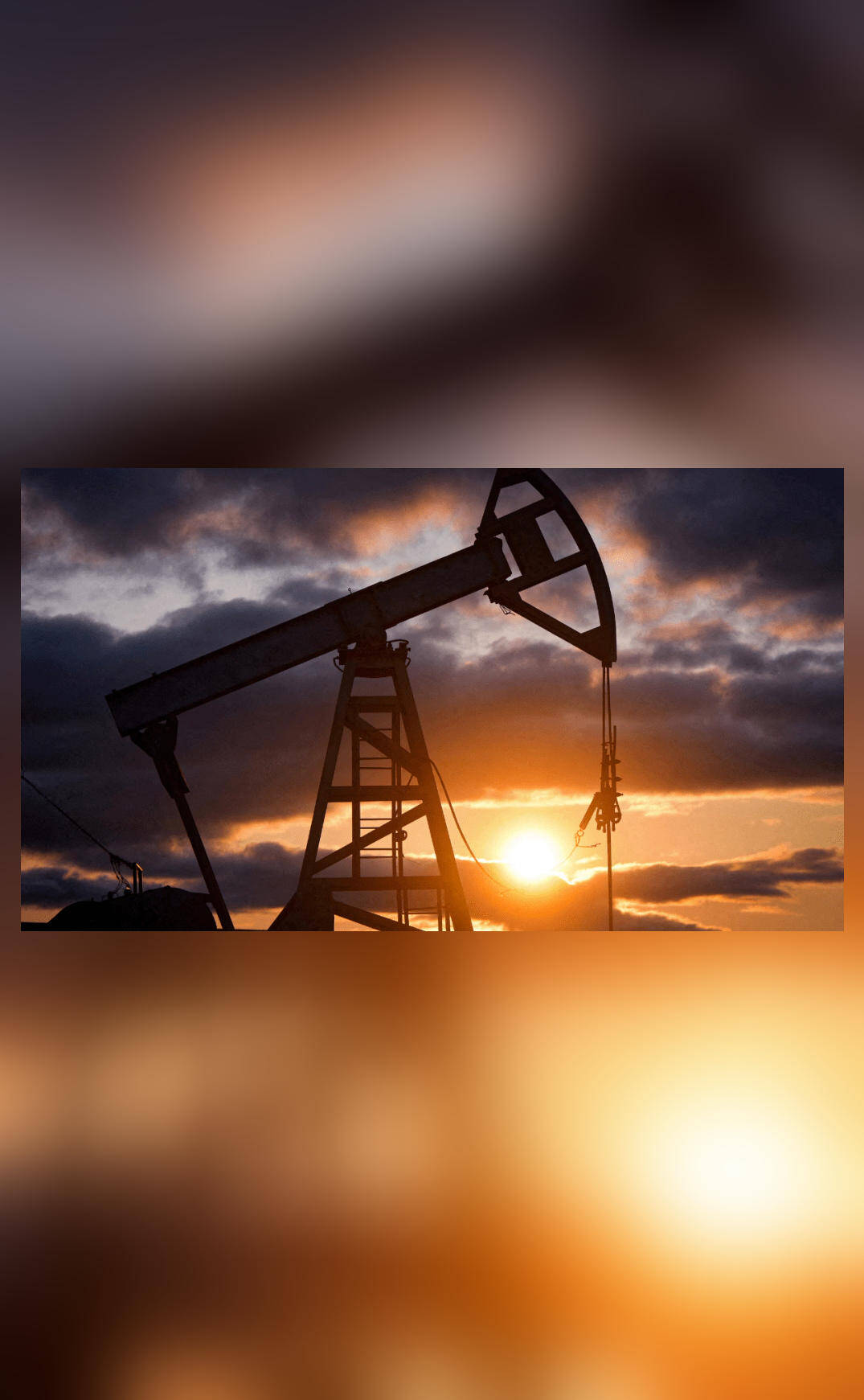
India to account for over 40% of global oil demand growth by 2035
The world’s energy landscape is undergoing a significant transformation, with emerging economies like India playing a crucial role in shaping the future of global energy demand. According to recent estimates shared by the Minister of Petroleum and Natural Gas, Hardeep Singh Puri, in the Lok Sabha, India is poised to account for over 40% of the global increase in oil demand between 2024 and 2035. This staggering projection highlights the country’s growing importance in the global energy market and underscores the need for India to enhance its domestic exploration and production capabilities.
The data shared by Minister Puri also reveals that India will contribute about 8% of the growth in natural gas demand during the same period. This is a significant development, as natural gas is increasingly being recognized as a cleaner and more environmentally friendly alternative to traditional fossil fuels. The Indian government’s focus on promoting the use of natural gas as a fuel of choice is reflected in its efforts to expand the country’s gas infrastructure, including the development of new pipelines, liquefied natural gas (LNG) terminals, and city gas distribution networks.
The projected growth in oil demand is largely driven by India’s rapid economic expansion, which is expected to continue in the coming years. As the country’s economy grows, so does its energy consumption, with oil remaining a dominant source of energy. The transportation sector, in particular, is a major driver of oil demand, with the number of vehicles on Indian roads expected to increase significantly in the coming years. Additionally, the growing demand for petrochemicals, which are used in a wide range of industries, including plastics, fertilizers, and pharmaceuticals, will also contribute to the increase in oil demand.
The Indian government is well aware of the challenges posed by the country’s growing energy demands and is taking steps to enhance domestic exploration and production. The government has launched several initiatives aimed at increasing the production of oil and gas, including the introduction of new policies and regulations, such as the Hydrocarbon Exploration and Licensing Policy (HELP) and the Open Acreage Licensing Policy (OALP). These policies are designed to attract more investment in the sector, improve the ease of doing business, and increase transparency in the allocation of oil and gas blocks.
Furthermore, the government is also promoting the use of alternative energy sources, such as renewable energy, to reduce the country’s dependence on fossil fuels. India has set ambitious targets for the development of renewable energy, including a goal of generating 40% of its electricity from non-fossil fuels by 2030. The government is also encouraging the use of electric vehicles, with a target of having 30% of new vehicle sales being electric by 2030.
The growth in oil demand also presents opportunities for Indian companies to expand their presence in the global energy market. Indian oil and gas companies, such as Indian Oil Corporation, Hindustan Petroleum, and Bharat Petroleum, are already major players in the domestic market and are now looking to expand their operations overseas. These companies are investing in oil and gas assets in countries such as Russia, the Middle East, and Africa, and are also partnering with international companies to develop new projects.
In conclusion, the projected growth in oil demand in India is a significant development that highlights the country’s growing importance in the global energy market. The Indian government’s efforts to enhance domestic exploration and production, promote the use of alternative energy sources, and encourage the development of new energy infrastructure will be critical in meeting the country’s growing energy demands. As the world’s third-largest energy consumer, India has a crucial role to play in shaping the future of global energy, and its decisions will have far-reaching implications for the environment, the economy, and the global energy landscape.
About the Author