India to account for over 40% of global oil demand growth by 2035
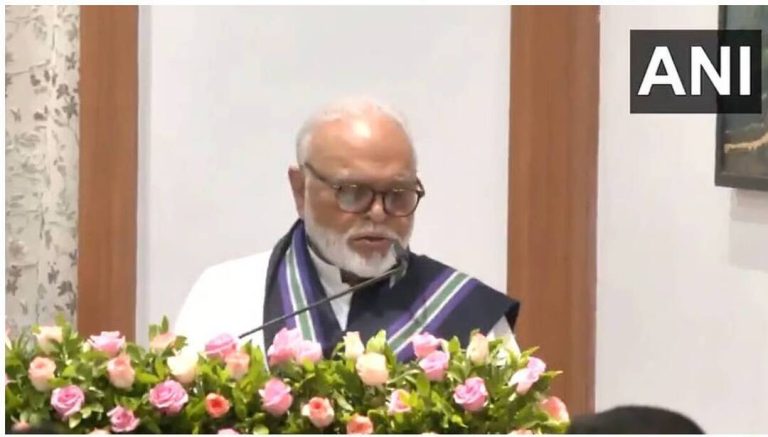
The world’s energy landscape is undergoing a significant transformation, driven by the growing demands of emerging economies. India, in particular, is expected to play a crucial role in shaping the global energy market in the coming years. According to recent estimates shared by the Minister of Petroleum and Natural Gas, Hardeep Singh Puri, India will account for over 40% of the global increase in oil demand between 2024 and 2035. Additionally, the country is expected to contribute about 8% of the growth in natural gas demand during the same period.
This data, shared in response to a starred question in the Lok Sabha, highlights the significant role that India is expected to play in driving global energy demand in the coming years. The country’s rapid economic growth, coupled with its large and growing population, is expected to drive up energy consumption, particularly in the transportation and industrial sectors.
The Indian government has been working to enhance domestic exploration and production to meet the growing energy demands of the country. The government has implemented various policies and initiatives aimed at increasing domestic oil and gas production, including the introduction of the Hydrocarbon Exploration and Licensing Policy (HELP) and the Discovered Small Fields (DSF) policy. These policies aim to attract investment in the upstream sector and increase domestic production, reducing the country’s reliance on imported fuels.
The growth in oil demand is expected to be driven primarily by the transportation sector, which accounts for the majority of oil consumption in India. The country’s growing middle class and increasing urbanization are expected to drive up demand for personal vehicles, leading to higher oil consumption. Additionally, the government’s plans to develop new infrastructure projects, such as roads and highways, are also expected to contribute to higher oil demand.
The growth in natural gas demand, on the other hand, is expected to be driven primarily by the power and industrial sectors. The government has been promoting the use of natural gas as a cleaner and more efficient fuel, and has set a target of increasing the share of natural gas in the energy mix to 15% by 2030. The development of new infrastructure, such as pipelines and liquefied natural gas (LNG) terminals, is expected to support the growth in natural gas demand.
The estimates shared by the Minister of Petroleum and Natural Gas highlight the significant challenges that India faces in meeting its growing energy demands. The country is currently heavily reliant on imported fuels, which makes it vulnerable to price volatility and supply disruptions. To address these challenges, the government will need to continue to work on enhancing domestic exploration and production, as well as promoting the use of alternative fuels and improving energy efficiency.
In recent years, the Indian government has taken several steps to promote the use of alternative fuels, such as ethanol and bio-diesel. The government has set a target of achieving 20% ethanol blending in petrol by 2025, and has implemented policies to support the development of the bio-fuel industry. Additionally, the government has been promoting the use of electric vehicles, and has set a target of achieving 30% electric vehicle penetration in new vehicle sales by 2030.
Overall, the estimates shared by the Minister of Petroleum and Natural Gas highlight the significant role that India is expected to play in shaping the global energy market in the coming years. The country’s growing energy demands will require careful planning and management, and the government will need to work to enhance domestic exploration and production, promote the use of alternative fuels, and improve energy efficiency. By doing so, India can reduce its reliance on imported fuels, promote energy security, and support sustainable economic growth.
In conclusion, the Indian government’s estimates of the country’s energy demands highlight the significant challenges and opportunities that lie ahead. As the country continues to grow and develop, it will be important to prioritize energy security, sustainability, and efficiency. By working to enhance domestic exploration and production, promote the use of alternative fuels, and improve energy efficiency, India can reduce its reliance on imported fuels, promote energy security, and support sustainable economic growth.
About the Author