IAS officer shunted for emptying stadium to walk dog returns to Delhi as MCD commissioner
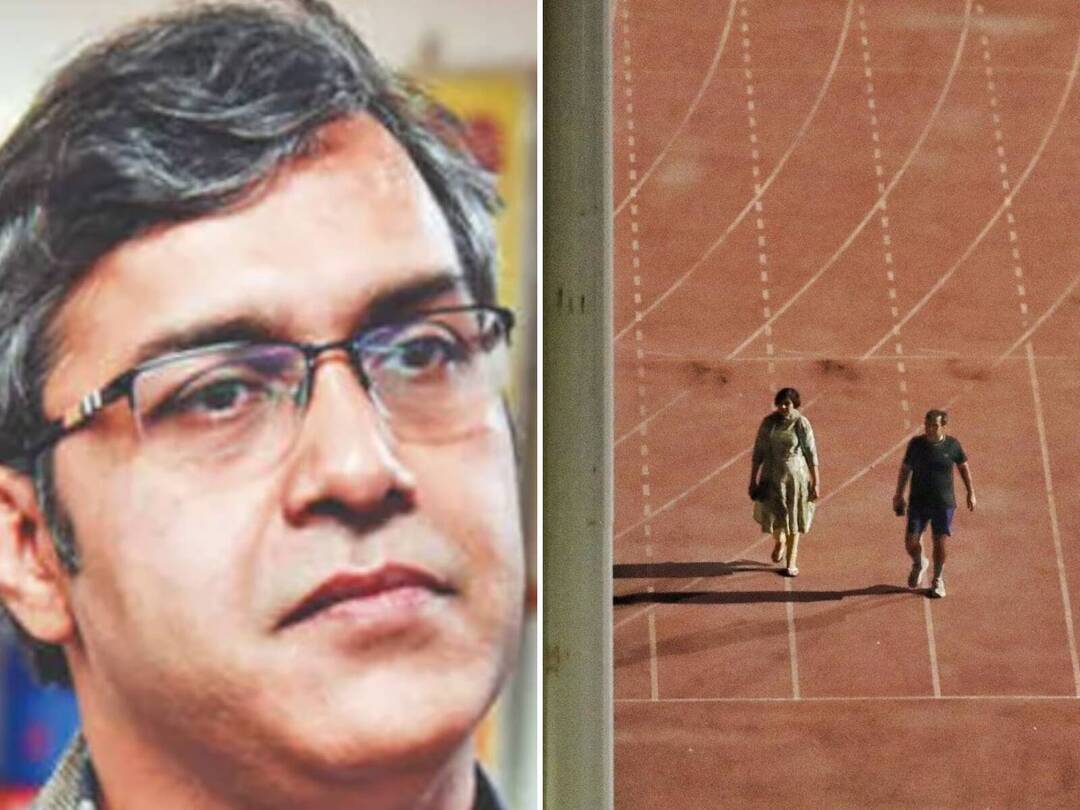
In a surprising turn of events, IAS officer Sanjeev Khirwar, who was moved out of Delhi in 2022 after a controversy surrounding the emptying of a government-run stadium to walk his dog, has returned to the national capital as the new Municipal Corporation of Delhi (MCD) Commissioner. This development has raised eyebrows and sparked debate about the role of bureaucrats in public office.
For those who may not recall, Sanjeev Khirwar was at the center of a controversy in 2022 when he allegedly emptied the Thyagraj Stadium, a Delhi government-run facility, to walk his dog. The stadium, which is a popular training ground for athletes, was cleared of all sports activities on a particular day, with athletes alleging that they were asked to wrap up their training earlier than usual to make way for Khirwar’s canine companion.
At the time, Khirwar was serving as the Principal Secretary (Revenue) in the Delhi government. The incident sparked widespread outrage, with many questioning the misuse of power and the prioritization of personal interests over public needs. The controversy eventually led to Khirwar’s transfer out of Delhi, a move that was seen as a attempt to contain the fallout and restore public faith in the bureaucracy.
However, in a surprising twist, Khirwar has now returned to Delhi as the MCD Commissioner, a position that is responsible for overseeing the functioning of the municipal corporation. The move has been confirmed by a notification from the Ministry of Home Affairs (MHA), which has appointed Khirwar to the post.
The appointment of Khirwar as MCD Commissioner has raised several questions about the criteria used for selecting bureaucrats for key positions. While Khirwar’s credentials and experience as an IAS officer are not in doubt, his past conduct and the controversy surrounding the stadium incident have raised concerns about his ability to serve the public interest.
The MCD Commissioner is a critical position that requires a deep understanding of urban governance, public administration, and community needs. The commissioner is responsible for overseeing a wide range of functions, including public health, sanitation, transportation, and infrastructure development. Given the complexity and importance of these responsibilities, it is essential that the person holding the post is not only competent but also possesses a strong sense of public service and accountability.
In this context, Khirwar’s appointment as MCD Commissioner has sparked concerns about the message it sends to the public and the bureaucracy. Will Khirwar’s past conduct be seen as a one-time mistake, or will it be perceived as a reflection of a larger attitude towards public office and accountability? How will Khirwar’s leadership style and priorities shape the functioning of the MCD, and what implications will this have for the citizens of Delhi?
As the news of Khirwar’s appointment spreads, it is likely that these questions will be debated and discussed widely. While some may argue that Khirwar’s experience and skills make him a suitable candidate for the post, others may point to the need for greater accountability and transparency in the selection process.
Ultimately, the success of Khirwar’s tenure as MCD Commissioner will depend on his ability to demonstrate a commitment to public service, accountability, and transparency. As he takes on this new role, Khirwar will need to work hard to restore public trust and confidence in the bureaucracy, while also delivering on the promises of effective governance and public service.
In conclusion, the appointment of Sanjeev Khirwar as MCD Commissioner is a significant development that has raised important questions about the role of bureaucrats in public office. As Khirwar begins his new tenure, it is essential that he prioritizes public service, accountability, and transparency, while also demonstrating a deep understanding of the needs and aspirations of the citizens of Delhi.
About the Author