IAS officer shunted for emptying stadium to walk dog returns to Delhi as MCD commissioner
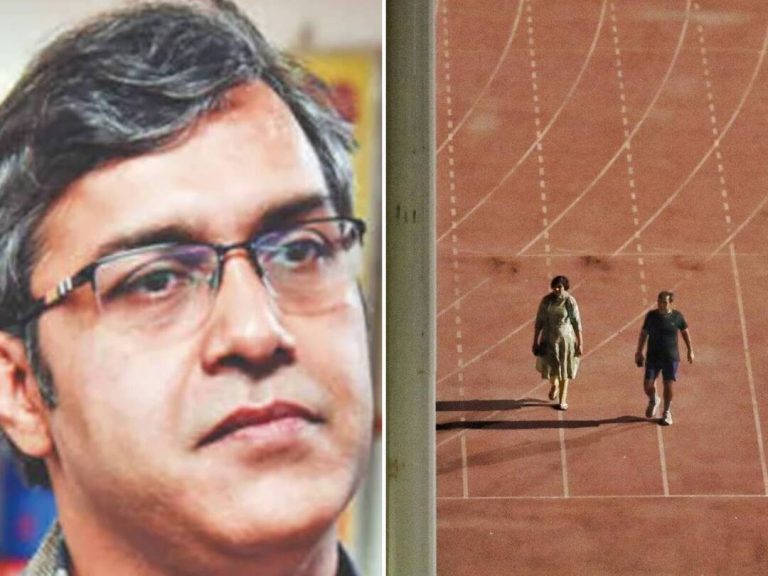
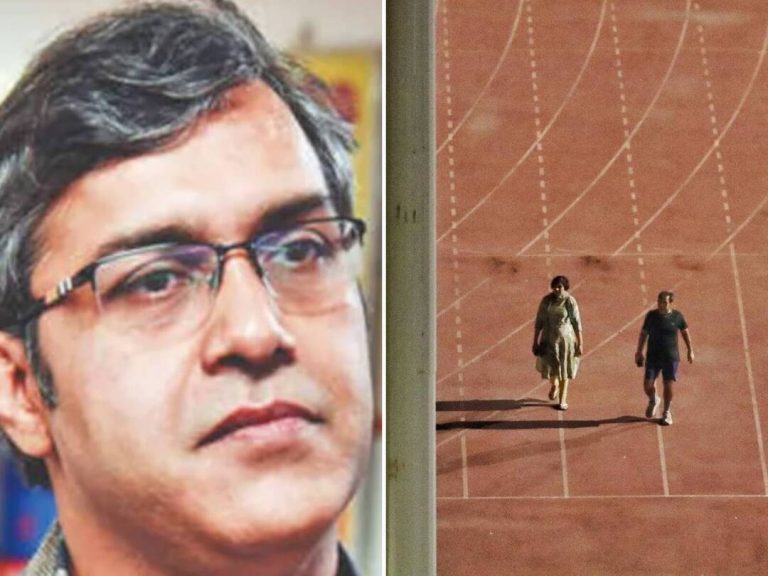
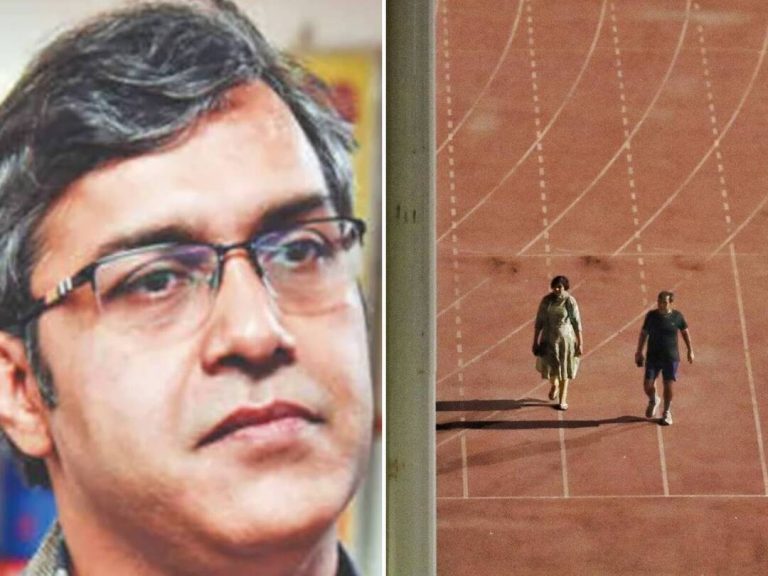
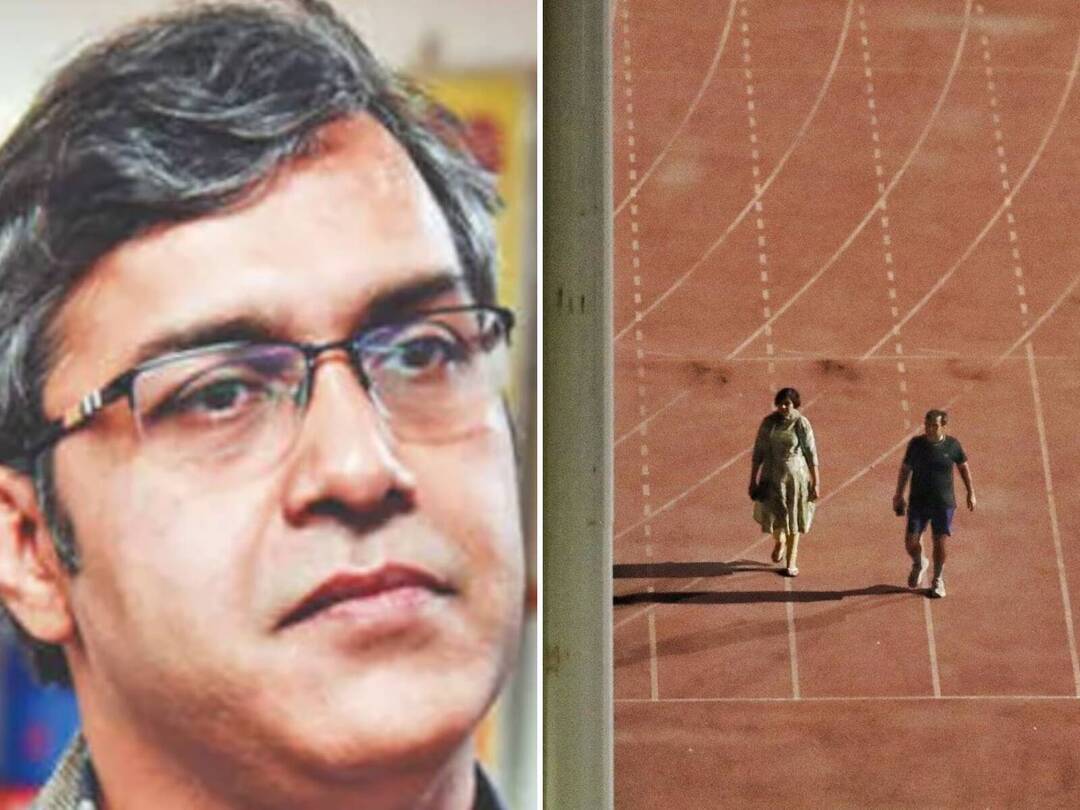
In a shocking turn of events, IAS officer Sanjeev Khirwar, who was moved out of Delhi in 2022 after he emptied Delhi government-run Thyagraj Stadium to walk his dog, has returned to the national capital as the new Municipal Corporation of Delhi (MCD) Commissioner. This development has been confirmed by a notification issued by the Ministry of Home Affairs (MHA).
For those who may not be aware, Sanjeev Khirwar was at the center of a controversy in 2022 when he allegedly emptied the Thyagraj Stadium, which is a prominent sports facility in Delhi, to walk his dog. The stadium, which is run by the Delhi government, is a training ground for many athletes, including those who compete at the national and international levels. On the day of the incident, athletes had alleged that they were asked to wrap up their training earlier than usual, reportedly to make way for Khirwar’s dog-walking session.
At that time, Khirwar was serving as the Principal Secretary (Revenue) in the Delhi government. The incident sparked widespread outrage, with many questioning the abuse of power and the prioritization of personal interests over public facilities. The controversy eventually led to Khirwar’s transfer out of Delhi, which was seen as a disciplinary measure.
However, it appears that Khirwar’s stint outside Delhi was short-lived. With his appointment as the new MCD Commissioner, he has returned to the national capital, sparking concerns about the message this sends about accountability and the use of power. The MCD Commissioner is a key position, responsible for overseeing the functioning of the municipal corporation, which is responsible for providing essential services such as sanitation, healthcare, and infrastructure development to the citizens of Delhi.
The appointment of Khirwar as MCD Commissioner has raised eyebrows, with many questioning the wisdom of bringing back an officer who was shunted out of Delhi due to allegations of abuse of power. While Khirwar’s administrative skills and experience may have been considered while making this appointment, it is difficult to ignore the controversy surrounding his past actions.
The incident at the Thyagraj Stadium had highlighted the need for greater accountability and transparency in the use of public facilities and resources. The fact that an IAS officer could allegedly empty a stadium to walk his dog, disrupting the training schedules of athletes, raised serious questions about the culture of entitlement and abuse of power that may prevail in certain quarters.
In this context, Khirwar’s appointment as MCD Commissioner may be seen as a retrograde step, which could undermine efforts to promote accountability and transparency in governance. While it is true that Khirwar has the necessary experience and qualifications for the job, his past actions have created a perception that he may not be sensitive to the needs and concerns of the common citizen.
As the new MCD Commissioner, Khirwar will be responsible for overseeing a wide range of functions, including sanitation, healthcare, and infrastructure development. He will also be responsible for ensuring that public facilities, such as stadiums and parks, are used for their intended purposes and are accessible to all citizens.
In order to restore public trust and confidence, Khirwar will need to demonstrate a commitment to transparency, accountability, and citizen-centric governance. This will require him to be more mindful of the needs and concerns of the common citizen and to ensure that public facilities and resources are used for the greater good.
In conclusion, the appointment of Sanjeev Khirwar as MCD Commissioner has raised concerns about accountability and the use of power. While Khirwar has the necessary experience and qualifications for the job, his past actions have created a perception that he may not be sensitive to the needs and concerns of the common citizen. As he takes charge as the new MCD Commissioner, he will need to demonstrate a commitment to transparency, accountability, and citizen-centric governance in order to restore public trust and confidence.
About the Author