HC Rejects TN Govt’s Plea Against Lighting Holy ‘Deep’ Near Dargah
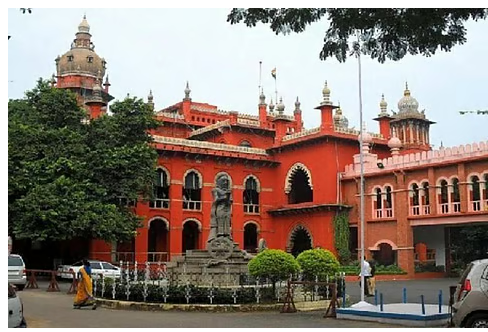
The Madras High Court on Thursday handed down a significant verdict, dismissing the Tamil Nadu government’s appeal against the court’s earlier order directing the lighting of a holy ‘deep’ near a dargah. The court’s decision comes after the state government had appealed against the order, citing concerns over potential communal tensions. However, the court was not convinced by the government’s arguments and dismissed the appeal, stating that it was filed with an “ulterior motive”.
The controversy surrounding the lighting of the holy ‘deep’ near the dargah in Thiruparankundram Hill has been ongoing for some time. The court had earlier directed that the ‘deep’ be lit near the dargah, but the state government had not complied with the order. Instead, the ‘deep’ was lit at a different location, sparking outrage among devotees who had been seeking to light the ‘deep’ near the dargah.
The Madras High Court’s decision to dismiss the state government’s appeal is a significant victory for the devotees who had been seeking to exercise their right to freedom of religion. The court’s order is also a reminder that the state government cannot interfere with the religious rights of citizens without a valid reason.
The case highlights the complex and often contentious issue of religious freedom in India. The country is home to a diverse range of religions and faiths, and the constitution guarantees the right to freedom of religion to all citizens. However, this right is not absolute and is subject to certain restrictions and limitations.
In this case, the state government had argued that lighting the ‘deep’ near the dargah could lead to communal tensions and disturb public order. However, the court was not convinced by this argument and stated that the government had not provided any evidence to support its claim.
The court’s decision is also a reflection of the growing trend of judicial activism in India. In recent years, the courts have played an increasingly important role in protecting the rights of citizens and promoting social justice. The Madras High Court’s decision in this case is a significant example of this trend and demonstrates the court’s commitment to upholding the constitution and protecting the rights of citizens.
The implications of the court’s decision are significant. The verdict sends a clear message that the state government cannot interfere with the religious rights of citizens without a valid reason. It also highlights the importance of respecting the religious diversity of India and promoting communal harmony.
In conclusion, the Madras High Court’s decision to dismiss the Tamil Nadu government’s appeal against the lighting of a holy ‘deep’ near a dargah is a significant victory for the devotees who had been seeking to exercise their right to freedom of religion. The court’s order is a reminder that the state government cannot interfere with the religious rights of citizens without a valid reason and highlights the importance of respecting the religious diversity of India.
The case also highlights the complex and often contentious issue of religious freedom in India. The country is home to a diverse range of religions and faiths, and the constitution guarantees the right to freedom of religion to all citizens. However, this right is not absolute and is subject to certain restrictions and limitations.
As the country continues to grapple with the challenges of promoting communal harmony and respecting religious diversity, the Madras High Court’s decision is a significant step in the right direction. The verdict sends a clear message that the state government cannot interfere with the religious rights of citizens without a valid reason and highlights the importance of respecting the religious diversity of India.
In the end, the court’s decision is a victory for the devotees who had been seeking to light the holy ‘deep’ near the dargah. It is also a reminder that the judiciary plays a critical role in protecting the rights of citizens and promoting social justice. As the country continues to evolve and grow, it is essential that the judiciary remains vigilant and committed to upholding the constitution and protecting the rights of citizens.
About the Author