HC Rejects TN Govt’s Plea Against Lighting Holy ‘Deep’ Near Dargah
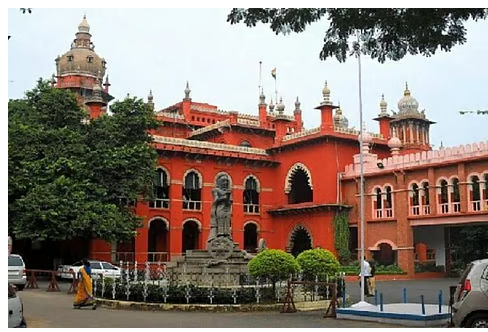
In a significant development, the Madras High Court on Thursday dismissed the Tamil Nadu government’s appeal against the court’s order directing to light a holy ‘deep’ near a dargah. The court’s decision came after the state government filed an appeal against the earlier order, which had allowed devotees to light a holy ‘deep’ near the dargah located at the foot of the Thiruparankundram hill. The court, while dismissing the appeal, observed that it was filed with an ulterior motive.
The controversy surrounding the lighting of the holy ‘deep’ near the dargah has been ongoing for some time now. The dargah, which is a revered shrine for Muslims, is located at the foot of the Thiruparankundram hill, which is also home to a Hindu temple. The hill is considered sacred by both Hindus and Muslims, and the two communities have been worshipping at their respective places of worship for centuries.
The dispute began when a group of Hindu devotees approached the court seeking permission to light a holy ‘deep’ near the dargah. The devotees argued that lighting the ‘deep’ was an essential part of their religious rituals and that they had been doing so for many years without any objections from the Muslim community. However, the state government opposed the move, citing concerns about law and order and the potential for communal tensions.
The court, after hearing the arguments from both sides, directed the authorities to allow the devotees to light the holy ‘deep’ near the dargah. However, the state government filed an appeal against the order, which was dismissed by the court on Thursday. The court’s decision is significant, as it upholds the right of devotees to practice their religion freely and without any hindrance.
It is worth noting that the diya was not lit at the designated place after the court’s direction and was instead lit at another spot. This move was seen as an attempt to circumvent the court’s order and avoid any potential communal tensions. However, the court’s decision makes it clear that such attempts will not be tolerated and that the rule of law will be upheld at all costs.
The Madras High Court’s decision is a significant victory for the devotees who had been seeking to light the holy ‘deep’ near the dargah. The court’s observation that the appeal was filed with an ulterior motive is also significant, as it suggests that the state government’s opposition to the lighting of the ‘deep’ was not entirely genuine.
The decision is also a testament to the independence and impartiality of the judiciary, which has consistently upheld the rights of citizens to practice their religion freely. The court’s decision is likely to have far-reaching implications, as it sets a precedent for similar cases in the future.
In conclusion, the Madras High Court’s decision to reject the Tamil Nadu government’s appeal against the lighting of the holy ‘deep’ near the dargah is a significant development that upholds the right of devotees to practice their religion freely. The court’s observation that the appeal was filed with an ulterior motive is also significant, as it suggests that the state government’s opposition to the lighting of the ‘deep’ was not entirely genuine. The decision is a testament to the independence and impartiality of the judiciary and is likely to have far-reaching implications for similar cases in the future.
About the Author