HC Rejects TN Govt’s Plea Against Lighting Holy ‘Deep’ Near Dargah
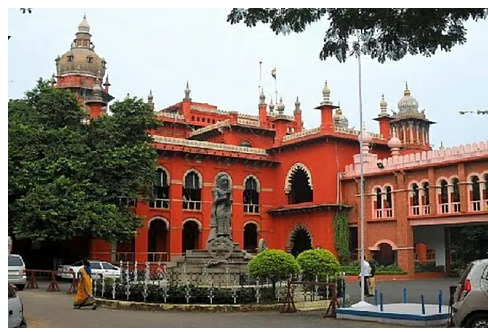
In a significant development, the Madras High Court on Thursday dismissed the Tamil Nadu government’s appeal against the court’s order directing to light a holy ‘deep’ near a dargah. The court’s decision comes after the state government had filed an appeal against the earlier order, which had allowed devotees to light a holy ‘deep’ near the dargah located at Thiruparankundram hill. The court, while dismissing the appeal, observed that it was filed with an “ulterior motive”.
The controversy surrounding the lighting of the holy ‘deep’ near the dargah had been ongoing for some time. The court had earlier directed the authorities to allow devotees to light the ‘deep’ near the dargah, but the state government had opposed the move. The government’s opposition was based on the grounds that lighting the ‘deep’ near the dargah would disturb the peace and tranquility of the area.
However, the court had rejected the government’s arguments and directed the authorities to allow the devotees to light the ‘deep’ near the dargah. But, in a surprising move, the ‘deep’ was not lit at the designated spot, and instead, it was lit at another location. This move was seen as a deliberate attempt to defy the court’s order, and it was widely criticized by the devotees and the opposition parties.
The Madras High Court’s decision to dismiss the state government’s appeal is a significant development in the case. The court’s observation that the appeal was filed with an “ulterior motive” is a clear indication that the government’s move was not genuine. The court’s decision is a victory for the devotees who had been seeking to light the holy ‘deep’ near the dargah, and it is expected to bring an end to the controversy surrounding the issue.
The case highlights the ongoing tensions between the state government and the religious groups in Tamil Nadu. The state government has been facing criticism from the opposition parties and the religious groups for its handling of the issue. The government’s decision to oppose the lighting of the ‘deep’ near the dargah was seen as a move to appease a particular section of the society, and it was widely criticized.
The Madras High Court’s decision is a reminder that the judiciary is the ultimate guardian of the constitutional rights of the citizens. The court’s decision is a clear indication that the government cannot dictate the religious practices of the citizens, and that the citizens have the right to practice their religion without any interference from the state.
In recent years, there have been several instances of the state government interfering with the religious practices of the citizens. The government’s decision to impose restrictions on the celebration of certain festivals and the regulation of religious institutions have been widely criticized. The Madras High Court’s decision is a significant development in this context, and it is expected to have far-reaching implications for the state government’s policies on religious issues.
The case also highlights the importance of the judiciary in protecting the rights of the minorities. The dargah at Thiruparankundram hill is a significant religious institution for the Muslim community, and the court’s decision is a recognition of the community’s right to practice their religion without any interference from the state.
In conclusion, the Madras High Court’s decision to dismiss the state government’s appeal against the lighting of the holy ‘deep’ near the dargah is a significant development in the case. The court’s observation that the appeal was filed with an “ulterior motive” is a clear indication that the government’s move was not genuine. The decision is a victory for the devotees who had been seeking to light the holy ‘deep’ near the dargah, and it is expected to bring an end to the controversy surrounding the issue.
About the Author