HC Rejects TN Govt’s Plea Against Lighting Holy ‘Deep’ Near Dargah
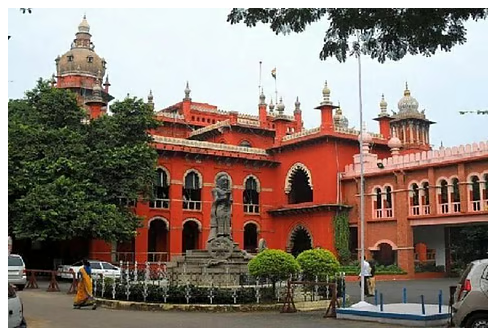
The Madras High Court on Thursday made a significant ruling, dismissing the Tamil Nadu government’s appeal against the court’s order directing the lighting of a holy ‘deep’ near a dargah. This decision comes after a prolonged dispute between the state government and devotees who wanted to light the holy ‘deep’ at the specified location. The court’s directive was initially not complied with, and instead, the diya was lit at another spot, leading to further controversy.
The backstory to this case involves a long-standing tradition of lighting a holy ‘deep’ near the dargah, which is a sacred site for Muslims. However, the state government had raised objections to this practice, citing concerns about potential disturbances and law and order issues. The government’s appeal against the court’s order was seen as an attempt to prevent the lighting of the holy ‘deep’ near the dargah.
The Madras High Court’s decision to dismiss the appeal is significant, as it upholds the rights of devotees to practice their faith and traditions. The court’s observation that the appeal was filed with an “ulterior motive” suggests that the government’s intentions were not entirely genuine. By rejecting the appeal, the court has sent a strong message about the importance of respecting and protecting the rights of all citizens, regardless of their faith or background.
This case highlights the complexities and challenges of managing diverse faith traditions and practices in a multicultural society. The dispute over the lighting of the holy ‘deep’ near the dargah is a reminder that even seemingly minor issues can escalate into major controversies. The role of the judiciary in resolving such disputes is critical, as it provides a neutral and impartial forum for addressing the concerns and grievances of all parties involved.
The Madras High Court’s decision is also a testament to the independence and integrity of the judiciary in India. The court’s willingness to stand up to the government and assert the rights of citizens is a reassuring sign for those who value the principles of democracy and the rule of law. In a country where the separation of powers is a fundamental aspect of the Constitution, the judiciary plays a vital role in ensuring that the executive branch does not overstep its authority.
The implications of this decision are far-reaching, as it sets a precedent for similar cases in the future. The ruling sends a clear message that the government cannot arbitrarily restrict the rights of citizens to practice their faith and traditions. It also underscores the importance of respecting and protecting the cultural and religious diversity of India, which is a fundamental aspect of the country’s identity and heritage.
In conclusion, the Madras High Court’s decision to reject the Tamil Nadu government’s appeal against the lighting of a holy ‘deep’ near a dargah is a significant victory for the rights of citizens and the principles of democracy. The ruling is a reminder that the judiciary is a powerful check on the executive branch and that it will not hesitate to assert the rights of citizens when they are threatened or violated. As India continues to navigate the complexities of managing diverse faith traditions and practices, this decision provides a reassuring sign that the country’s democratic institutions are strong and resilient.
About the Author