HC Rejects TN Govt’s Plea Against Lighting Holy ‘Deep’ Near Dargah
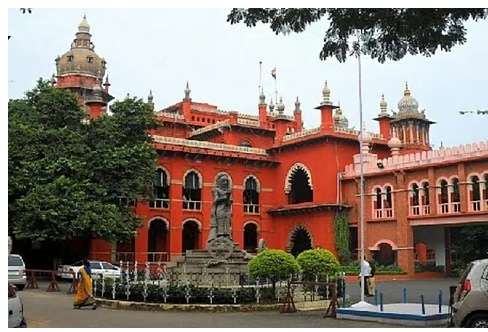
In a significant development, the Madras High Court on Thursday dismissed the Tamil Nadu government’s appeal against the court’s order directing to light a holy ‘deep’ near a dargah. The court’s decision comes after the state government had appealed against the earlier order, citing concerns over potential law and order issues. However, the court was not convinced by the government’s arguments and dismissed the appeal, stating that it was filed with an “ulterior motive”.
The controversy surrounding the lighting of the holy ‘deep’ near the dargah at Thiruparankundram hill in Tamil Nadu has been ongoing for some time now. The court had earlier directed the authorities to allow devotees to light a holy ‘deep’ near the dargah, but the order was not complied with. Instead, the diya was lit at another spot, away from the dargah. This move was seen as an attempt to circumvent the court’s order and avoid any potential conflict between different religious groups.
The Madras High Court’s decision to dismiss the state government’s appeal is a significant one, as it upholds the principle of religious freedom and the right of devotees to practice their faith without fear of persecution or hindrance. The court’s observation that the appeal was filed with an “ulterior motive” suggests that the government’s actions were driven by a desire to appease certain sections of society, rather than a genuine concern for law and order.
The issue of lighting the holy ‘deep’ near the dargah has been a contentious one, with different religious groups having differing opinions on the matter. While some groups have argued that the lighting of the diya is an essential part of their religious practice, others have expressed concerns that it could lead to communal tensions and law and order problems. However, the court’s decision makes it clear that the right to practice one’s faith is a fundamental one, and that the state government cannot use the pretext of law and order to restrict this right.
The Madras High Court’s decision is also significant because it highlights the importance of upholding the rule of law and the principles of secularism in a democratic society. The court’s observation that the appeal was filed with an “ulterior motive” suggests that the state government was attempting to use its executive power to influence the outcome of the case, rather than allowing the law to take its course. This is a dangerous trend, as it undermines the independence of the judiciary and the rule of law.
In recent years, there have been several instances where state governments have attempted to use their executive power to influence the outcome of cases, often with disastrous consequences. The Madras High Court’s decision is a timely reminder that the judiciary is an independent institution, and that its decisions must be respected and upheld by all parties, including the state government.
The dismissal of the state government’s appeal is also a victory for the devotees who had been seeking to light the holy ‘deep’ near the dargah. The court’s decision upholds their right to practice their faith, and ensures that they can do so without fear of persecution or hindrance. This is an important principle, as it recognizes that the freedom to practice one’s faith is a fundamental human right, and that it must be protected and upheld by the state.
In conclusion, the Madras High Court’s decision to dismiss the Tamil Nadu government’s appeal against the lighting of the holy ‘deep’ near the dargah is a significant one. It upholds the principle of religious freedom, and recognizes the right of devotees to practice their faith without fear of persecution or hindrance. The court’s observation that the appeal was filed with an “ulterior motive” highlights the importance of upholding the rule of law and the principles of secularism in a democratic society. As the state government and other stakeholders move forward, they must respect the court’s decision and ensure that the rights of all citizens are protected and upheld.
About the Author