HC Rejects TN Govt’s Plea Against Lighting Holy ‘Deep’ Near Dargah
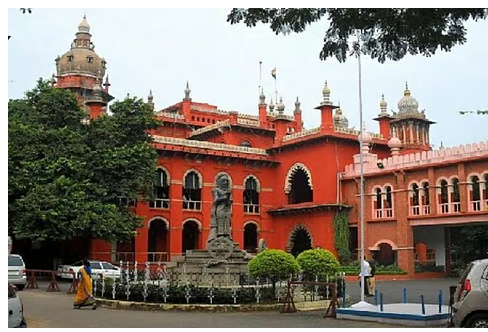
In a significant development, the Madras High Court on Thursday dismissed the Tamil Nadu government’s appeal against the court’s order directing to light a holy ‘deep’ near a dargah. The court’s decision comes as a major setback for the state government, which had filed the appeal with an apparent “ulterior motive”. The High Court’s order is a testament to the judiciary’s commitment to upholding the principles of equality and freedom of religion, as enshrined in the Constitution of India.
The controversy surrounding the lighting of the holy ‘deep’ near the dargah at Thiruparankundram Hill had been brewing for some time. The dargah, a sacred shrine for Muslims, is located near a temple, and the two communities have coexisted peacefully for centuries. However, in recent times, tensions had risen over the issue of lighting a holy ‘deep’ near the dargah. The devotees of the temple had sought permission to light the ‘deep’ near the dargah, which was initially denied by the authorities.
The matter eventually reached the Madras High Court, which directed the authorities to permit the lighting of the holy ‘deep’ near the dargah. However, in a surprising move, the diya was not lit at the designated spot, but instead at another location. This move was seen as an attempt to circumvent the court’s order and avoid any potential conflict between the two communities.
The Tamil Nadu government, in its appeal, had argued that the lighting of the holy ‘deep’ near the dargah would create law and order problems and disturb the peace in the area. However, the High Court was not convinced by the government’s arguments and observed that the appeal was filed with an “ulterior motive”. The court’s decision to dismiss the appeal is a clear indication that the judiciary will not tolerate any attempts to undermine the principles of equality and freedom of religion.
The High Court’s order is also a significant victory for the devotees of the temple, who had been seeking permission to light the holy ‘deep’ near the dargah. The court’s decision has upheld their right to practice their faith and has sent a strong message that the judiciary will protect the rights of all citizens, regardless of their religion or community.
The controversy surrounding the lighting of the holy ‘deep’ near the dargah at Thiruparankundram Hill is a classic example of how religious tensions can be manipulated and exploited for political gain. The issue had the potential to create widespread unrest and conflict between the two communities, but the High Court’s intervention has helped to defuse the situation.
In recent times, there have been several instances of religious tensions being exploited for political gain. The controversy surrounding the Babri Masjid, the Ayodhya dispute, and the anti-CAA protests are just a few examples of how religious differences can be used to create divisions and tensions in society. However, the High Court’s decision in this case is a reminder that the judiciary will not tolerate any attempts to exploit religious differences for political gain.
The Madras High Court’s decision to dismiss the Tamil Nadu government’s appeal against the lighting of the holy ‘deep’ near the dargah is a significant development that has far-reaching implications. The court’s order has upheld the principles of equality and freedom of religion, and has sent a strong message that the judiciary will protect the rights of all citizens, regardless of their religion or community.
In conclusion, the High Court’s decision is a victory for the principles of equality and freedom of religion. The court’s order has upheld the right of the devotees to practice their faith and has sent a strong message that the judiciary will not tolerate any attempts to undermine the principles of equality and freedom of religion. The decision is also a reminder that the judiciary is committed to protecting the rights of all citizens, regardless of their religion or community.
About the Author