HC Rejects TN Govt’s Plea Against Lighting Holy ‘Deep’ Near Dargah
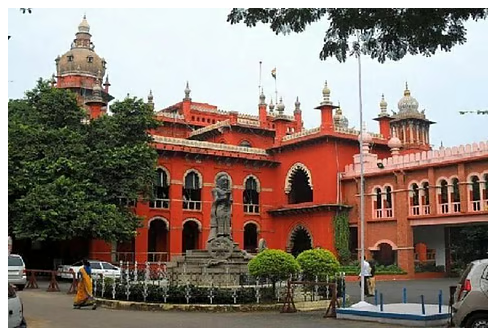
The Madras High Court has made a significant ruling, dismissing the Tamil Nadu government’s appeal against the court’s order to light a holy ‘deep’ near a dargah. The court’s decision has sparked interest and debate, with many eager to understand the reasoning behind the judgment. In this blog post, we will delve into the details of the case, the court’s order, and the implications of this decision.
The controversy surrounding the lighting of a holy ‘deep’ near a dargah in Thiruparankundram Hill has been ongoing for some time. The dargah, a revered shrine for Muslims, is located near a temple, and the issue of lighting a ‘deep’ (a traditional Indian lamp) near the dargah has been a point of contention between the two communities. The Tamil Nadu government had appealed against the court’s order to light the ‘deep’ near the dargah, citing concerns about potential disturbances and law and order issues.
However, the Madras High Court has rejected the government’s appeal, stating that it was filed with an “ulterior motive.” The court’s observation suggests that the government’s appeal was not made in good faith, but rather to serve a hidden agenda. The court’s decision to dismiss the appeal is a significant development, as it upholds the original order to light the ‘deep’ near the dargah.
The background to this case is complex and involves a dispute between the two communities. The ‘deep’ is an integral part of Hindu worship, and devotees had sought to light it near the dargah as part of their religious practices. However, the dargah authorities had objected to this, citing concerns about noise and disturbance. The court’s original order had directed that the ‘deep’ be lit near the dargah, but this was not complied with. Instead, the ‘deep’ was lit at a different location, away from the dargah.
The Madras High Court’s decision to reject the government’s appeal is significant, as it emphasizes the importance of upholding the rule of law and respecting the rights of all citizens, regardless of their religious affiliations. The court’s observation that the appeal was filed with an “ulterior motive” suggests that the government’s actions were not motivated by a genuine concern for law and order, but rather by a desire to appease a particular section of the community.
This decision has implications for the relationship between different communities in Tamil Nadu. The lighting of a ‘deep’ near a dargah may seem like a minor issue, but it has the potential to inflame passions and create tensions between Hindus and Muslims. The court’s decision to uphold the original order and reject the government’s appeal sends a strong message that the rights of all citizens must be respected and that the rule of law must be upheld.
The Madras High Court’s decision is also significant because it highlights the importance of the judiciary in protecting the rights of citizens. The court’s role is to interpret the law and ensure that it is applied fairly and impartially. In this case, the court has demonstrated its commitment to upholding the rule of law and protecting the rights of all citizens, regardless of their religious affiliations.
In conclusion, the Madras High Court’s decision to reject the Tamil Nadu government’s appeal against the lighting of a holy ‘deep’ near a dargah is a significant development. The court’s observation that the appeal was filed with an “ulterior motive” suggests that the government’s actions were not motivated by a genuine concern for law and order. The decision has implications for the relationship between different communities in Tamil Nadu and highlights the importance of the judiciary in protecting the rights of citizens. As we move forward, it is essential that we respect the rights of all citizens and uphold the rule of law, regardless of our religious affiliations.
About the Author