HC Rejects TN Govt’s Plea Against Lighting Holy ‘Deep’ Near Dargah
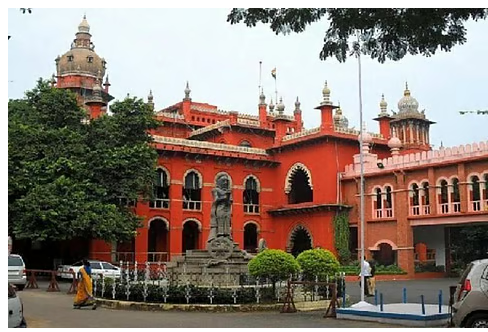
In a significant development, the Madras High Court on Thursday dismissed the Tamil Nadu government’s appeal against the court’s order directing to light a holy ‘deep’ near a dargah. The court’s decision comes after the state government had filed an appeal against the earlier order, which had allowed devotees to light a holy ‘deep’ near the dargah located at the foot of the Thiruparankundram hill in Tamil Nadu.
The dispute began when a group of devotees had approached the court seeking permission to light a holy ‘deep’ near the dargah, which is a sacred place for Muslims. The devotees had argued that lighting the ‘deep’ was an essential part of their religious practice and that they had been doing so for many years without any objections from the Muslim community. However, the state government had opposed the move, citing concerns about law and order and the potential for communal tensions.
The court had initially allowed the devotees to light the ‘deep’ near the dargah, but the state government had filed an appeal against the order. However, in a surprise move, the devotees did not light the ‘deep’ at the designated spot, but instead lit it at another location. This move was seen as a deliberate attempt to circumvent the court’s order and avoid any potential controversy.
The Madras High Court, while dismissing the state government’s appeal, observed that the appeal was filed with an “ulterior motive”. The court’s decision is significant, as it upholds the right of devotees to practice their religion without fear of reprisal or discrimination. The court’s order also sends a strong message to the state government, which had attempted to interfere with the religious practices of a particular community.
The dispute over the lighting of the holy ‘deep’ near the dargah is not an isolated incident. It is part of a larger narrative of communal tensions and conflicts over religious practices in India. The country has a long history of religious diversity and pluralism, but in recent years, there have been increasing instances of communal violence and intolerance.
The role of the judiciary in such cases is crucial, as it is often the only institution that can provide a check on the excesses of the state and ensure that the rights of all citizens are protected. The Madras High Court’s decision in this case is a testament to the independence and impartiality of the judiciary, which has upheld the principles of secularism and religious freedom enshrined in the Indian Constitution.
The decision is also significant, as it comes at a time when there are growing concerns about the erosion of secular values and the rise of communalism in India. The court’s order is a reminder that the state must respect the rights of all citizens, regardless of their religion or community, and that the judiciary will not hesitate to intervene when the state oversteps its bounds.
In conclusion, the Madras High Court’s decision to reject the Tamil Nadu government’s plea against lighting a holy ‘deep’ near a dargah is a significant development that upholds the principles of secularism and religious freedom. The decision is a reminder that the judiciary is the ultimate guardian of the Constitution and the rights of citizens, and that it will not hesitate to intervene when the state attempts to interfere with the religious practices of a particular community.
The case highlights the need for greater understanding and tolerance between different communities in India. It also underscores the importance of respecting the rights of all citizens, regardless of their religion or community. As India continues to grapple with the challenges of communalism and intolerance, the judiciary must remain vigilant and ensure that the principles of secularism and religious freedom are upheld.
The Madras High Court’s decision is a welcome development, as it sends a strong message to the state government and other stakeholders that the judiciary will not tolerate any attempts to interfere with the religious practices of a particular community. The decision is also a reminder that the state must respect the rights of all citizens and ensure that the principles of secularism and religious freedom are upheld.
As the country moves forward, it is essential that the state and other stakeholders work towards promoting greater understanding and tolerance between different communities. This can be achieved through education, dialogue, and outreach programs that promote mutual respect and understanding. The judiciary must also continue to play a vigilant role in ensuring that the principles of secularism and religious freedom are upheld.
In the end, the Madras High Court’s decision to reject the Tamil Nadu government’s plea against lighting a holy ‘deep’ near a dargah is a significant development that upholds the principles of secularism and religious freedom. The decision is a reminder that the judiciary is the ultimate guardian of the Constitution and the rights of citizens, and that it will not hesitate to intervene when the state attempts to interfere with the religious practices of a particular community.
About the Author