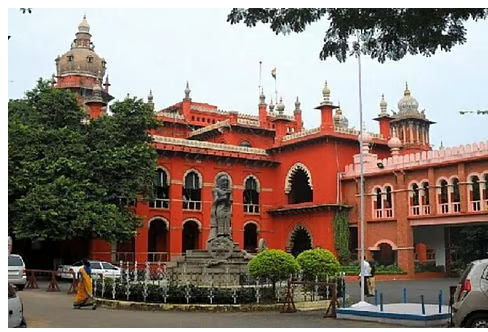
HC Rejects TN Govt’s Plea Against Lighting Holy ‘Deep’ Near Dargah
The Madras High Court has dealt a significant blow to the Tamil Nadu government by dismissing its appeal against the court’s order directing the lighting of a holy ‘deep’ near a dargah. The court’s decision comes after the state government had filed an appeal against the order, which was met with a stern response from the judiciary. In a clear indication of the court’s displeasure, it stated that “the appeal, filed with an ulterior motive, is dismissed.”
The controversy surrounding the lighting of the holy ‘deep’ near the dargah in Thiruparankundram hill has been a long-standing one. The court had initially directed that the ‘deep’ be lit near the dargah, but the order was not complied with. Instead, the ‘deep’ was lit at a different spot, sparking a fresh round of controversy. The state government’s decision to file an appeal against the court’s order was seen as an attempt to circumvent the directive and avoid any potential conflict.
However, the Madras High Court was not convinced by the government’s arguments and saw through the motivations behind the appeal. By dismissing the appeal, the court has sent a clear message that it will not tolerate any attempts to undermine its authority or bypass its orders. The court’s decision is a significant victory for the devotees who had been seeking to light the holy ‘deep’ near the dargah, and it is likely to have far-reaching implications for the state government’s handling of similar cases in the future.
The dispute over the lighting of the holy ‘deep’ near the dargah is a complex one, with roots in the historical and cultural significance of the site. The dargah is a revered shrine for Muslims, and the lighting of the ‘deep’ is an important aspect of Hindu religious practices. The court’s order directing the lighting of the ‘deep’ near the dargah was seen as an attempt to balance the interests of both communities and promote communal harmony.
However, the state government’s decision to file an appeal against the order was seen as a misguided attempt to placate one community at the expense of the other. The court’s dismissal of the appeal is a clear indication that such attempts will not be tolerated and that the judiciary will not be swayed by political considerations.
The implications of the court’s decision are significant, and it is likely to have a major impact on the way the state government handles similar cases in the future. The court’s message is clear: it will not tolerate any attempts to undermine its authority or bypass its orders. The government must respect the judiciary’s decisions and work towards implementing them in a fair and transparent manner.
In conclusion, the Madras High Court’s decision to dismiss the Tamil Nadu government’s appeal against the lighting of the holy ‘deep’ near the dargah is a significant victory for the devotees and a clear indication of the court’s commitment to upholding the rule of law. The state government must take a cue from the court’s decision and work towards promoting communal harmony and respecting the judiciary’s decisions.
The controversy surrounding the lighting of the holy ‘deep’ near the dargah is a complex one, and it requires a nuanced and sensitive approach. The court’s decision is a significant step towards resolving the dispute, and it is likely to have far-reaching implications for the state government’s handling of similar cases in the future. As the state government moves forward, it must prioritize communal harmony and work towards implementing the court’s decisions in a fair and transparent manner.
The Madras High Court’s decision is a testament to the independence and integrity of the judiciary, and it is a clear indication that the court will not be swayed by political considerations. The court’s commitment to upholding the rule of law is unwavering, and it will continue to play a vital role in promoting communal harmony and respecting the rights of all citizens.
In the end, the court’s decision is a victory for the people, and it is a clear indication that the judiciary is committed to upholding the principles of justice and equality. The state government must respect the court’s decision and work towards implementing it in a fair and transparent manner. As the state moves forward, it is essential that the government prioritizes communal harmony and works towards promoting the interests of all citizens.
About the Author