ED moves Delhi HC against trial court’s ruling in National Herald case
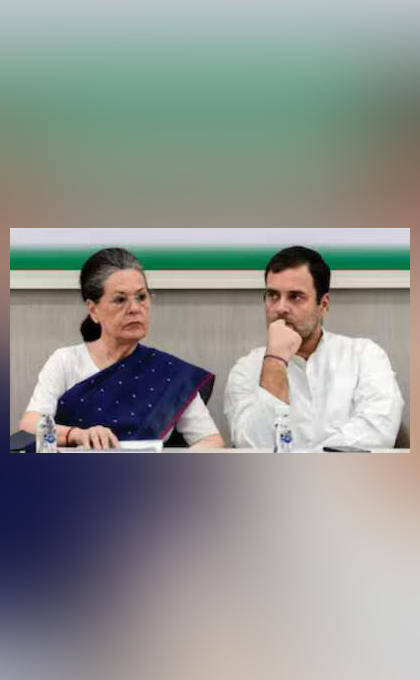
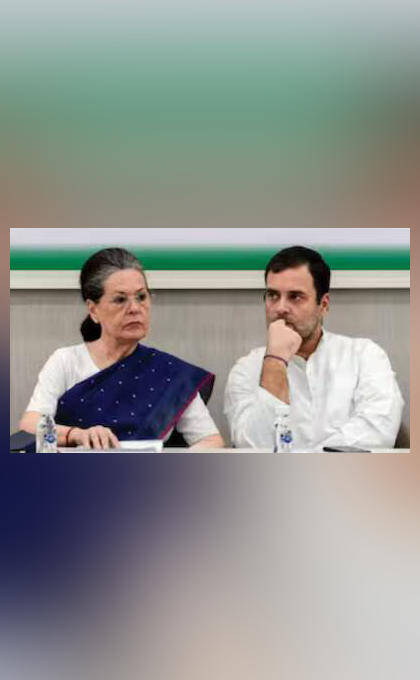
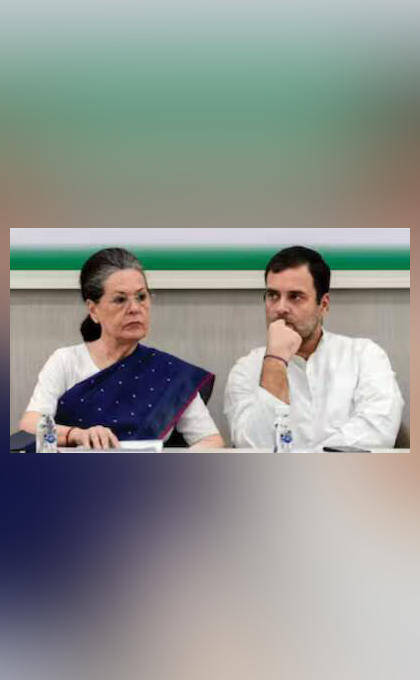
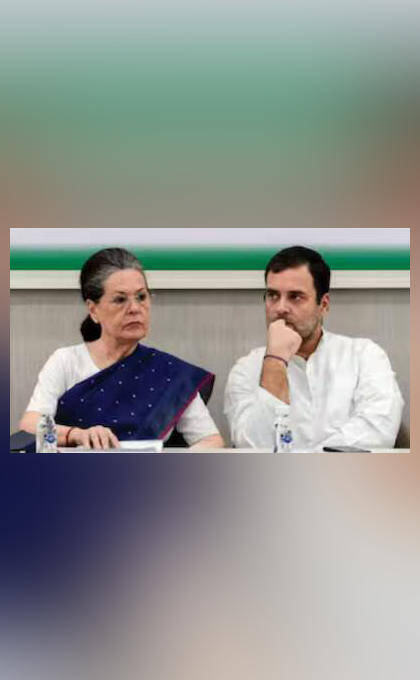
The Enforcement Directorate (ED) has taken a significant step in the National Herald case, approaching the Delhi High Court to challenge the trial court’s order that declined to take cognisance of the money laundering complaint against several high-profile Congress leaders, including Sonia Gandhi, Rahul Gandhi, and others. This move by the ED is an attempt to revive the case, which has been marred by controversy and political undertones.
At the heart of the case is the allegation that assets worth over ₹2,000 crore belonging to Associated Journals Limited (AJL) were wrongfully taken over. AJL is the company that publishes the National Herald newspaper, which was founded by Jawaharlal Nehru in 1937. The company has been at the center of the controversy, with allegations of financial irregularities and money laundering levelled against the Congress leaders.
The ED had filed a complaint against Sonia Gandhi, Rahul Gandhi, and others under the Prevention of Money Laundering Act (PMLA), alleging that they had laundered money to acquire valuable properties in Delhi and other parts of the country. However, the trial court had declined to take cognisance of the complaint, citing lack of evidence and merit in the case.
The ED’s decision to approach the Delhi High Court is a clear indication that the agency is not willing to let the matter rest. By challenging the trial court’s order, the ED is seeking to have the case reopened and the accused individuals brought to book. The agency’s move is likely to be seen as a significant development in the case, which has been widely followed in the media and has sparked intense political debate.
The National Herald case has its roots in a complaint filed by Subramanian Swamy, a BJP leader, in 2012. Swamy had alleged that Sonia Gandhi and Rahul Gandhi had set up a company called Young Indian Private Limited, which had taken over AJL’s assets worth over ₹2,000 crore. Swamy had claimed that the transaction was illegal and had been done with the intention of laundering money.
The ED had launched an investigation into the allegations and had filed a complaint against the accused individuals. However, the trial court’s decision to decline cognisance of the complaint had come as a setback to the agency. The ED’s move to approach the Delhi High Court is an attempt to have the case reopened and the accused individuals brought to justice.
The case has significant implications for the Congress party and its leaders. If the ED is successful in its appeal, it could lead to further investigations and potentially even arrests. The case has already sparked a political storm, with the Congress party accusing the BJP of using the ED to target its leaders. The BJP, on the other hand, has accused the Congress of trying to cover up its wrongdoings.
The National Herald case is a complex one, with multiple layers of allegations and counter-allegations. The case involves allegations of financial irregularities, money laundering, and wrongdoing by some of the most high-profile individuals in the country. The ED’s decision to approach the Delhi High Court is a significant development in the case, and it remains to be seen how the court will rule on the matter.
In conclusion, the ED’s move to challenge the trial court’s order in the National Herald case is a significant development in the case. The case has significant implications for the Congress party and its leaders, and it remains to be seen how the Delhi High Court will rule on the matter. The case is a complex one, with multiple layers of allegations and counter-allegations. As the case unfolds, it is likely to continue to generate significant media attention and political debate.
About the Author