ED moves Delhi HC against trial court’s ruling in National Herald case
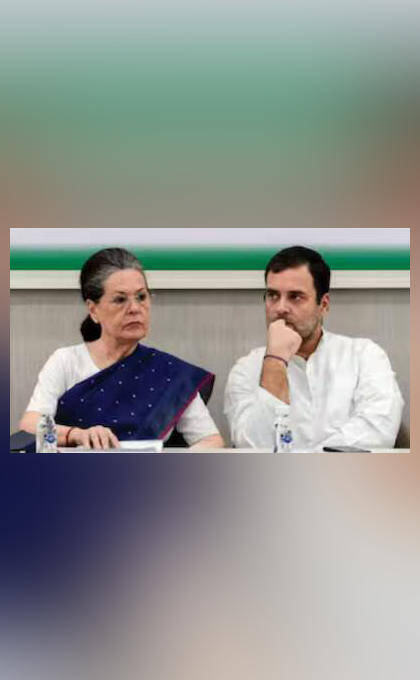
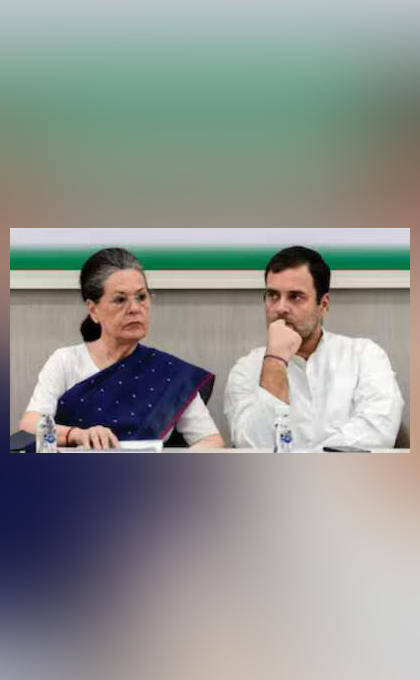
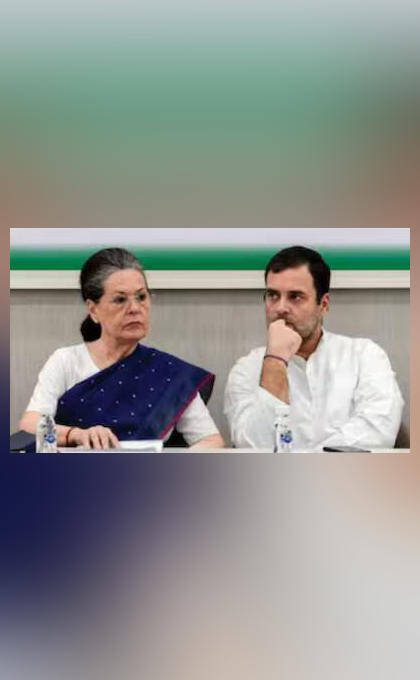
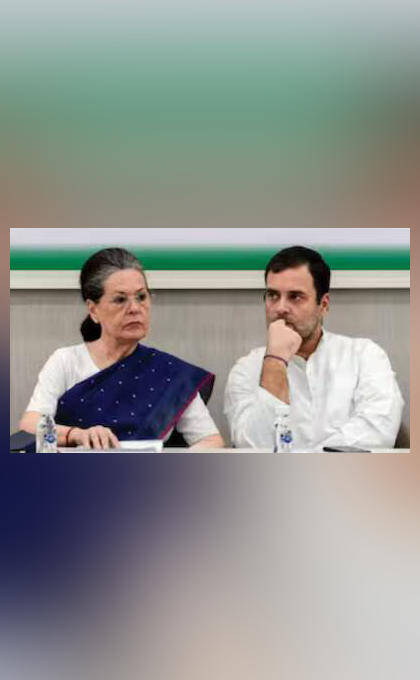
The National Herald case has taken a significant turn with the Enforcement Directorate (ED) approaching the Delhi High Court, challenging the trial court order that declined to take cognisance of the money laundering complaint against Congress leaders Sonia Gandhi, Rahul Gandhi, and others. The ED’s move comes after the trial court’s ruling, which has been perceived as a setback for the investigation agency. In this blog post, we will delve into the details of the National Herald case, the trial court’s order, and the ED’s decision to challenge it in the Delhi High Court.
The National Herald case revolves around the alleged misappropriation of assets worth over ₹2,000 crore belonging to Associated Journals Limited (AJL), a company that publishes the National Herald newspaper. The newspaper was founded by Jawaharlal Nehru in 1938, and AJL was established to manage its operations. Over the years, the company accumulated significant assets, including prime real estate in various cities across India.
The controversy began in 2012 when Subramanian Swamy, a BJP leader, filed a complaint alleging that Sonia Gandhi and Rahul Gandhi had misappropriated AJL’s assets by acquiring a majority stake in the company through a private company called Young Indian. Swamy claimed that the Gandhis had used their positions to acquire the assets of AJL at a throwaway price, thereby causing a loss to the company and its shareholders.
The ED launched an investigation into the allegations and filed a complaint under the Prevention of Money Laundering Act (PMLA) against Sonia Gandhi, Rahul Gandhi, and other Congress leaders. The complaint alleged that the accused had laundered money by acquiring AJL’s assets through a complex web of transactions.
However, in a significant setback for the ED, the trial court declined to take cognisance of the complaint, citing lack of evidence. The court observed that the ED had failed to provide sufficient evidence to support its allegations, and therefore, it could not proceed with the prosecution.
The ED has now challenged the trial court’s order in the Delhi High Court, arguing that the court had erred in its decision. The ED has contended that it had provided sufficient evidence to support its allegations and that the trial court had misinterpreted the law.
The ED’s decision to challenge the trial court’s order is significant, as it indicates that the agency is determined to pursue the case against the Gandhis and other Congress leaders. The case has significant political implications, and the ED’s move is likely to be seen as an attempt to keep the pressure on the Congress leadership.
The National Herald case has been a long-drawn-out saga, with various twists and turns. The case has been mired in controversy, with allegations of political vendetta and witch-hunting. While the ED has maintained that it is pursuing the case based on evidence, the Congress has alleged that the agency is being used as a tool to harass its leaders.
As the case moves to the Delhi High Court, it is likely to be closely watched by politicians, lawyers, and the media. The court’s decision will have significant implications for the ED’s investigation and the future of the National Herald case.
In conclusion, the ED’s decision to challenge the trial court’s order in the National Herald case is a significant development. The case has far-reaching implications for the Congress leadership and the ED’s investigation. As the case moves to the Delhi High Court, it is likely to be a long and complex legal battle. The outcome of the case will depend on the court’s interpretation of the evidence and the law.
About the Author