ED moves Delhi HC against trial court’s ruling in National Herald case
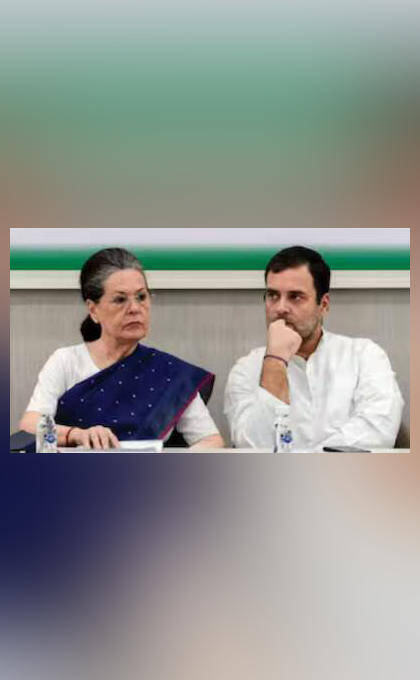
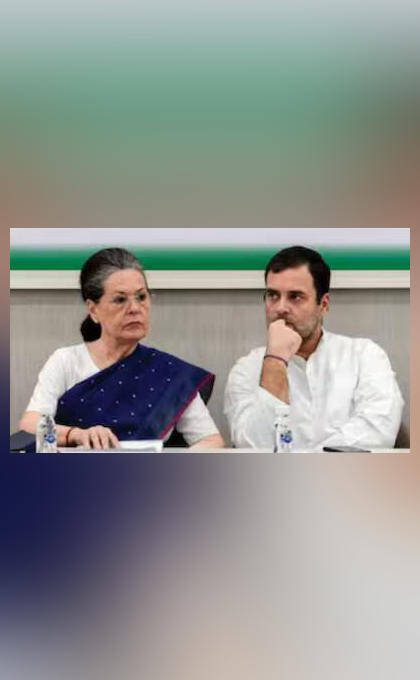
The Enforcement Directorate (ED) has taken a significant step in the National Herald case, approaching the Delhi High Court to challenge a trial court order that declined to take cognisance of the money laundering complaint against prominent Congress leaders, including Sonia Gandhi, Rahul Gandhi, and others. This move by the ED is a clear indication that the agency is determined to pursue the case and bring those responsible to justice.
At the heart of the National Herald case is the allegation that assets worth over ₹2,000 crore belonging to Associated Journals Limited (AJL) were wrongfully taken over. AJL is the company that published the National Herald newspaper, which was founded by Jawaharlal Nehru in 1938. The newspaper has a long history and was once a prominent voice in Indian politics. However, it stopped publication in 2008 due to financial difficulties.
The case against the Gandhis and other Congress leaders alleges that they used their positions to illegally acquire the assets of AJL, which included prime real estate in various cities across India. The ED has been investigating the matter for several years, and in 2014, it registered a case under the Prevention of Money Laundering Act (PMLA) against the accused.
The trial court’s decision to decline cognisance of the money laundering complaint was a significant setback for the ED. The court had ruled that there was not enough evidence to proceed with the case against the accused. However, the ED has now challenged this decision in the Delhi High Court, arguing that the trial court had erred in its judgment.
The ED’s move to approach the Delhi High Court is a clear indication that the agency is not willing to let the matter rest. The agency has been under pressure to deliver results in high-profile cases, and the National Herald case is one of the most prominent ones. The ED’s decision to challenge the trial court’s ruling is a significant development in the case and is likely to have far-reaching implications.
The National Herald case has been a subject of controversy for several years, with the BJP and other opposition parties accusing the Gandhis of impropriety. The case has also been the subject of much speculation, with many questioning the motives behind the acquisition of AJL’s assets. The ED’s investigation has been ongoing for several years, and the agency has been collecting evidence and interviewing witnesses.
The case against the Gandhis and other Congress leaders is complex and involves several allegations of financial impropriety. The ED has alleged that the accused used a web of shell companies and other entities to acquire the assets of AJL. The agency has also alleged that the accused used their positions to influence the decisions of the company and to acquire its assets at a fraction of their true value.
The National Herald case has significant implications for Indian politics. The case has been seen as a test of the ED’s ability to investigate and prosecute high-profile cases. The agency’s decision to challenge the trial court’s ruling is a clear indication that it is committed to pursuing the case and bringing those responsible to justice.
The case also has significant implications for the Congress party and its leaders. The Gandhis and other Congress leaders have denied any wrongdoing, but the case has already had a significant impact on the party’s reputation. The case has also led to much speculation about the future of the Congress party and its leadership.
In conclusion, the ED’s decision to approach the Delhi High Court against the trial court’s ruling in the National Herald case is a significant development. The case has been a subject of controversy for several years, and the ED’s move is a clear indication that the agency is determined to pursue the case and bring those responsible to justice. The case has significant implications for Indian politics and the Congress party, and it will be interesting to see how it unfolds in the coming months.
About the Author