ED moves Delhi HC against trial court’s ruling in National Herald case
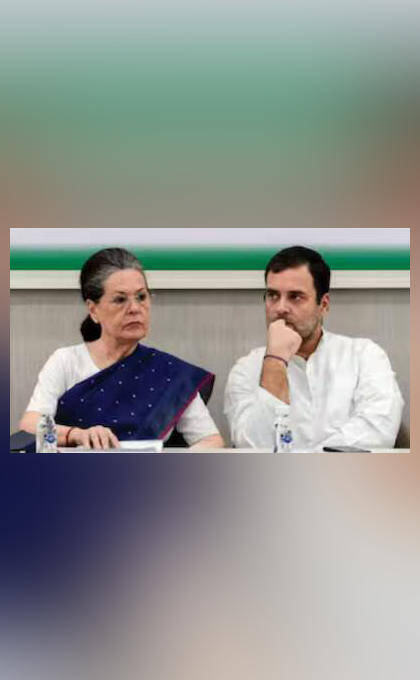
The Enforcement Directorate (ED) has taken a significant step in the National Herald case, approaching the Delhi High Court to challenge a trial court order that declined to take cognisance of the money laundering complaint against several high-profile Congress leaders, including Sonia Gandhi, Rahul Gandhi, and others. This move by the ED comes after the trial court’s ruling, which had seemingly given a reprieve to the accused individuals. However, the ED’s decision to appeal against this order indicates that the agency is determined to pursue the case and ensure that those responsible for any wrongdoing are held accountable.
At the heart of the National Herald case is the allegation that assets worth over ₹2,000 crore belonging to Associated Journals Limited (AJL) were wrongfully taken over. AJL is the company that publishes the National Herald newspaper, which was founded by Jawaharlal Nehru in 1938. The newspaper has a significant historical and political importance, having been closely associated with the Indian National Congress and the country’s freedom struggle. However, in recent years, the company has been at the center of a controversy surrounding the alleged misuse of funds and assets by certain Congress leaders.
The ED’s case against Sonia Gandhi, Rahul Gandhi, and others is based on allegations that they used their positions to acquire valuable assets and properties belonging to AJL, and then used these assets for personal gain. The agency has been investigating the matter for several years, gathering evidence and building a case against the accused individuals. The ED’s investigation has reportedly revealed that the accused individuals used a complex web of financial transactions and shell companies to acquire and conceal the assets, making it difficult to track the flow of money and identify the true beneficiaries.
The trial court’s decision to decline cognisance of the ED’s complaint had come as a setback to the agency’s efforts to prosecute the accused individuals. However, the ED has now approached the Delhi High Court, challenging the trial court’s order and seeking to revive the case against Sonia Gandhi, Rahul Gandhi, and others. The ED’s appeal is likely to be heard by the High Court in the coming weeks, and the outcome of this hearing could have significant implications for the accused individuals and the Congress party as a whole.
The National Herald case has been a subject of intense political controversy, with the Congress party and its leaders alleging that the case is a politically motivated attempt to harass and intimidate them. The party has maintained that the allegations against Sonia Gandhi, Rahul Gandhi, and others are baseless and unfounded, and that the ED’s investigation is a witch-hunt aimed at damaging the party’s reputation. However, the ED has insisted that its investigation is based on credible evidence and that the agency is committed to ensuring that those responsible for any wrongdoing are brought to justice.
The ED’s move to challenge the trial court’s order in the Delhi High Court is a significant development in the National Herald case, and it is likely to have far-reaching implications for the accused individuals and the Congress party. The case is being closely watched by political observers and legal experts, who are keen to see how the High Court rules on the ED’s appeal. If the High Court overturns the trial court’s order and allows the ED’s complaint to proceed, it could lead to a fresh round of investigations and potentially even arrests, which could have significant political consequences.
In conclusion, the ED’s decision to challenge the trial court’s order in the Delhi High Court is a significant development in the National Herald case. The case has been a subject of intense political controversy, and the ED’s move is likely to have far-reaching implications for the accused individuals and the Congress party. As the case unfolds, it will be important to watch how the High Court rules on the ED’s appeal and how the accused individuals respond to the allegations against them.
About the Author