ED moves Delhi HC against trial court’s ruling in National Herald case
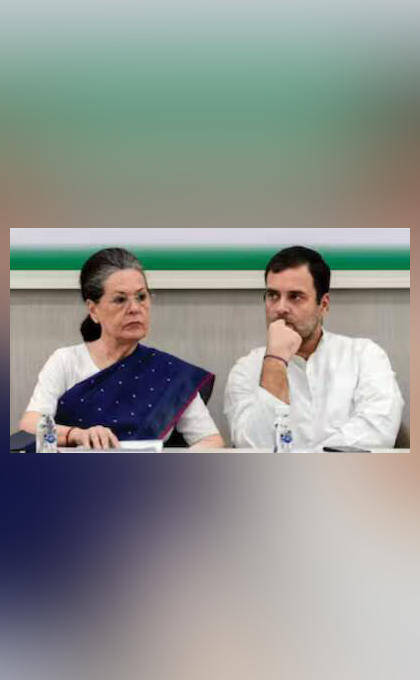
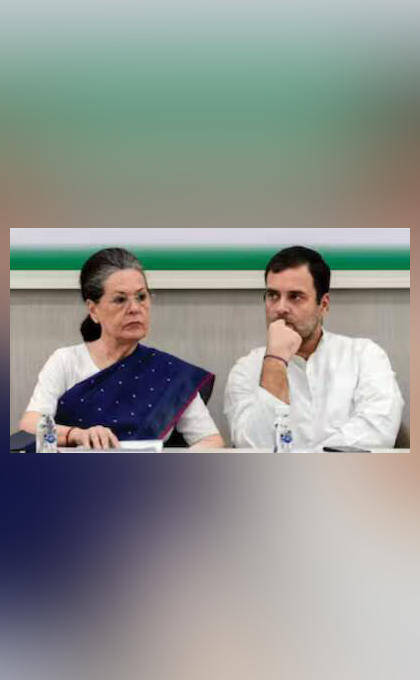
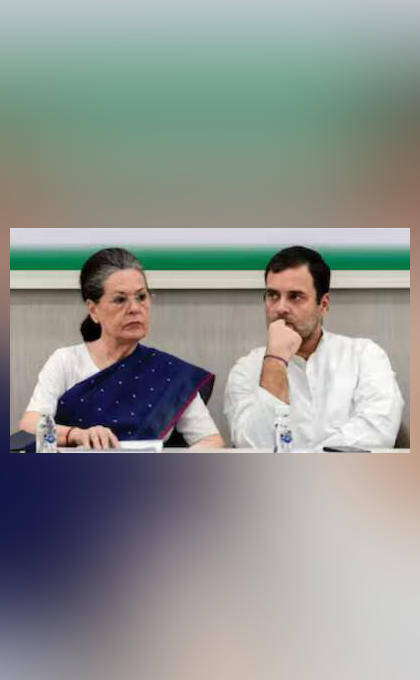
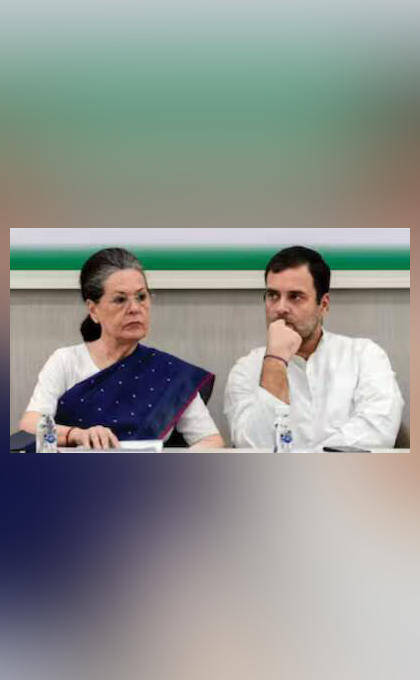
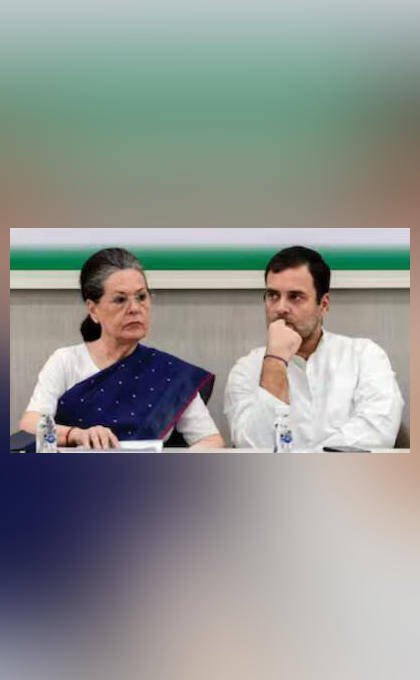
The Enforcement Directorate (ED) has taken a significant step in the National Herald case by approaching the Delhi High Court to challenge a trial court order. The trial court had earlier declined to take cognisance of the money laundering complaint filed against prominent Congress leaders, including Sonia Gandhi, Rahul Gandhi, and others. This move by the ED is an attempt to revive the case and bring the accused to justice.
At the heart of the National Herald case is the allegation that assets worth over ₹2,000 crore belonging to Associated Journals Limited (AJL) were wrongfully taken over. AJL is the company that published the National Herald newspaper, which was founded by Jawaharlal Nehru in 1938. The newspaper has a rich history and was once a prominent voice in Indian politics. However, it stopped publication in 2008 due to financial difficulties.
The ED’s complaint alleges that the Congress leaders, including Sonia and Rahul Gandhi, were involved in a money laundering scheme to acquire the assets of AJL. The agency claims that the accused used a complex web of transactions to launder money and acquire the assets of AJL, which were then used for personal gain. The ED has been investigating the case for several years and has gathered significant evidence to support its claims.
The trial court’s decision to decline cognisance of the complaint was a setback for the ED, but the agency has not given up. By approaching the Delhi High Court, the ED is seeking to overturn the trial court’s order and revive the case against the accused. The High Court will now examine the ED’s appeal and decide whether to reinstate the case or uphold the trial court’s decision.
The National Herald case has significant implications for Indian politics. The case involves some of the most prominent leaders of the Congress party, and the allegations of money laundering and corruption have the potential to damage the party’s reputation. The case also highlights the need for greater transparency and accountability in Indian politics, particularly when it comes to the use of public funds and assets.
The ED’s move to approach the Delhi High Court is a significant development in the case. The agency’s decision to challenge the trial court’s order demonstrates its commitment to pursuing the case and bringing the accused to justice. The case is likely to be closely watched by the media and the public, and the outcome will have significant implications for Indian politics.
In recent years, the ED has been actively pursuing cases of money laundering and corruption involving high-profile individuals and politicians. The agency has been given greater powers to investigate and prosecute such cases, and it has been using these powers to take action against those accused of corruption.
The National Herald case is one of several high-profile cases being investigated by the ED. The agency is also investigating cases involving other prominent politicians and business leaders, and it has been successful in securing convictions in several cases. The ED’s efforts to combat corruption and money laundering have been widely welcomed, and the agency is seen as a key player in the government’s efforts to promote transparency and accountability in Indian politics.
In conclusion, the ED’s move to approach the Delhi High Court in the National Herald case is a significant development in the case. The agency’s decision to challenge the trial court’s order demonstrates its commitment to pursuing the case and bringing the accused to justice. The case has significant implications for Indian politics, and the outcome will be closely watched by the media and the public. As the case progresses, it is likely to be the subject of much debate and discussion, and it will be interesting to see how it unfolds.
About the Author