ED moves Delhi HC against trial court’s ruling in National Herald case
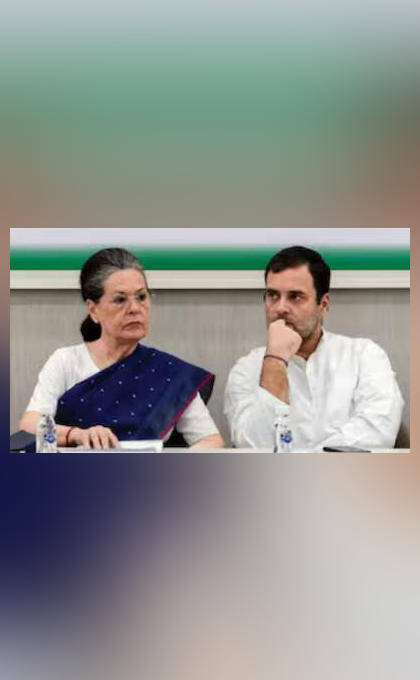
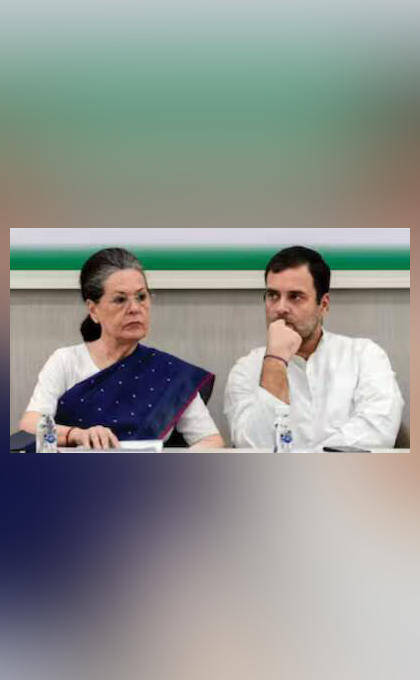
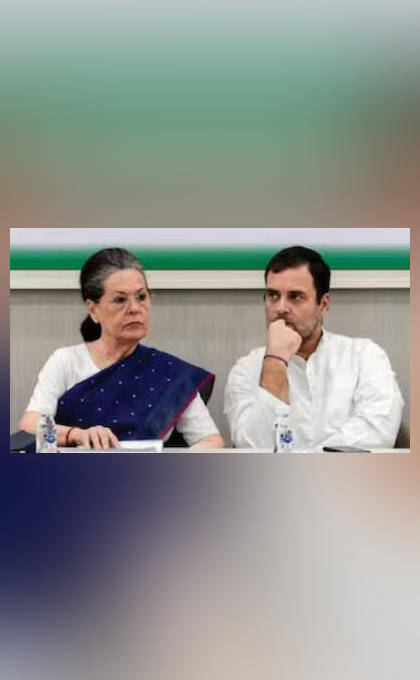
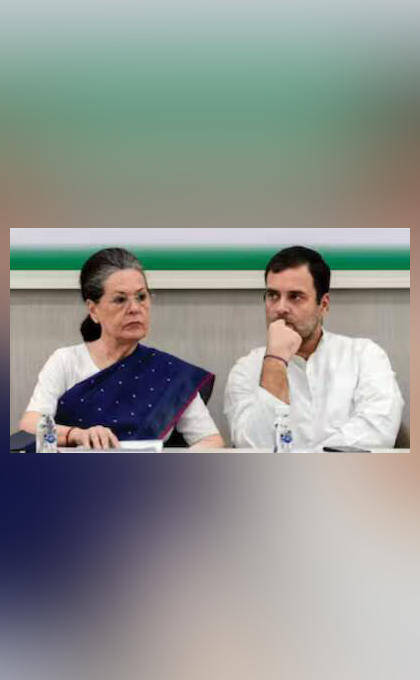
The Enforcement Directorate (ED) has taken a significant step in the National Herald case by approaching the Delhi High Court to challenge the trial court’s order. The trial court had earlier declined to take cognisance of the money laundering complaint filed against prominent Congress leaders, including Sonia Gandhi, Rahul Gandhi, and others. The ED’s move is aimed at reviving the case and ensuring that those accused of wrongdoing are held accountable.
At the heart of the National Herald case is the allegation that assets worth over ₹2,000 crore belonging to Associated Journals Limited (AJL) were wrongfully taken over. AJL is the company that publishes the National Herald newspaper, which was founded by Jawaharlal Nehru in 1938. The company has a rich history and has been associated with the Indian National Congress for decades. However, in recent years, AJL has been at the centre of a controversy surrounding the acquisition of its assets by a company called Young Indian Private Limited (YIPL).
The ED’s investigation into the National Herald case began in 2014, after a complaint was filed by Subramanian Swamy, a BJP leader. Swamy had alleged that Sonia Gandhi and Rahul Gandhi had misused their positions to acquire the assets of AJL through YIPL, which was a company with a paid-up capital of just ₹5 lakh. The ED’s investigation revealed that YIPL had acquired 99% of AJL’s shares, effectively giving the Gandhi family control over the company’s valuable assets, including prime real estate in Delhi and other parts of the country.
The ED’s complaint against the Gandhi family and others accused in the case alleged that they had laundered money to the tune of ₹2,000 crore. The agency claimed that the accused had used a complex web of transactions to conceal the true nature of the funds used to acquire AJL’s assets. The ED’s investigation also revealed that the accused had used shell companies and other dubious means to launder the money.
However, in a setback to the ED, the trial court declined to take cognisance of the money laundering complaint. The court’s order was seen as a significant victory for the Gandhi family and other accused in the case. The trial court’s decision was based on its finding that the ED had failed to provide sufficient evidence to support its allegations of money laundering.
The ED’s decision to approach the Delhi High Court is a clear indication that the agency is determined to pursue the case against the Gandhi family and others accused of wrongdoing. The agency’s move is likely to be seen as a significant development in the National Herald case, which has been pending for several years. The case has been the subject of intense media scrutiny and has been widely debated in political circles.
The National Herald case has significant implications for Indian politics, particularly for the Congress party. The case has been seen as a test of the Congress party’s commitment to transparency and accountability. The party has been accused of using its influence and power to protect its leaders from prosecution.
The ED’s move to challenge the trial court’s order is also likely to have significant implications for the Gandhi family. The family has been at the centre of the National Herald case, and the ED’s allegations have caused significant embarrassment to the family. The family has denied all allegations of wrongdoing, but the ED’s investigation has raised serious questions about their involvement in the acquisition of AJL’s assets.
In conclusion, the ED’s decision to approach the Delhi High Court in the National Herald case is a significant development that is likely to have far-reaching implications for Indian politics. The case has been pending for several years, and the ED’s move is a clear indication that the agency is determined to pursue the case against the Gandhi family and others accused of wrongdoing. The case is a test of the Indian justice system’s ability to hold those in power accountable for their actions.
About the Author