Drama is not discussing huge issues: Priyanka on PM’s drama remark
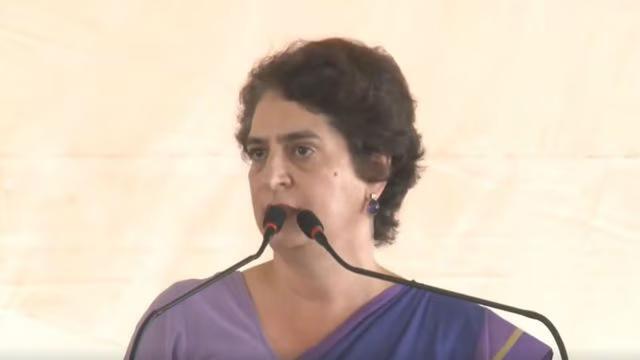
In a recent address, Prime Minister Narendra Modi emphasized the need for “delivery, not drama” in Parliament. However, his comment did not go unchallenged. Congress MP Priyanka Gandhi Vadra countered the Prime Minister’s statement, arguing that “drama is not allowing discussion…over issues that matter to public.” She stressed that pressing concerns, such as the election situation, the Special Intensive roll, and Delhi’s severe air pollution, demand open debate. “Let us discuss them. What is the Parliament for?” she asked.
The exchange highlights a fundamental disagreement between the ruling party and the opposition on the role of Parliament and the importance of discussing critical issues. While the Prime Minister may view drama as a hindrance to progress, Priyanka Gandhi Vadra and other opposition leaders see it as a necessary aspect of holding the government accountable and ensuring that the voices of the people are heard.
In this context, it is essential to examine the issues that Priyanka Gandhi Vadra has identified as requiring open debate. The election situation, for instance, is a critical aspect of India’s democratic process. With various state elections scheduled to take place in the coming months, the opposition has raised concerns about the functioning of the Election Commission and the potential for electoral malpractices. By discussing these issues in Parliament, lawmakers can ensure that the electoral process is fair, transparent, and accountable to the people.
The Special Intensive roll is another issue that demands attention. The program aims to update the electoral rolls and ensure that all eligible citizens are registered to vote. However, the opposition has raised concerns about the potential for errors and exclusions, which could disenfranchise marginalized communities. By debating this issue in Parliament, lawmakers can ensure that the program is implemented in a manner that is fair, inclusive, and respectful of the rights of all citizens.
Delhi’s severe air pollution is a pressing concern that affects not only the residents of the national capital but also the surrounding regions. The issue is a classic example of a problem that requires a collective response, involving not only the government but also civil society, industry, and individuals. By discussing this issue in Parliament, lawmakers can highlight the need for urgent action, identify potential solutions, and ensure that the government is held accountable for its response to the crisis.
In each of these cases, the opposition is not engaging in drama for its own sake. Rather, they are using their platform to draw attention to critical issues that affect the lives of ordinary citizens. By doing so, they are fulfilling their constitutional mandate to hold the government accountable and ensure that the voices of the people are heard.
The Prime Minister’s comment about drama versus delivery also raises questions about the role of Parliament in Indian democracy. Is Parliament merely a rubber stamp for the executive, or is it a forum for debate, discussion, and accountability? The answer to this question is clear: Parliament is a representative institution that is meant to reflect the diversity of opinions and experiences of the Indian people.
In a democracy, the opposition has a critical role to play in ensuring that the government is held accountable and that the voices of marginalized communities are heard. This involves not only raising questions and debating issues but also using parliamentary procedures, such as motions, amendments, and adjournment motions, to highlight critical concerns.
In conclusion, Priyanka Gandhi Vadra’s response to the Prime Minister’s comment about drama versus delivery highlights the importance of discussing huge issues in Parliament. The opposition is not engaged in drama for its own sake; rather, they are using their platform to draw attention to critical issues that affect the lives of ordinary citizens. By debating these issues, lawmakers can ensure that the government is held accountable, that the voices of the people are heard, and that the democratic process is strengthened.
As the Indian Parliament continues to evolve and respond to the changing needs of the country, it is essential to recognize the importance of debate, discussion, and accountability. By doing so, we can ensure that our democratic institutions remain robust, inclusive, and responsive to the needs of all citizens.
About the Author