Dense Smog Pushes Visibility to Zero in Delhi, Air Quality Also Deteriorates to Severe
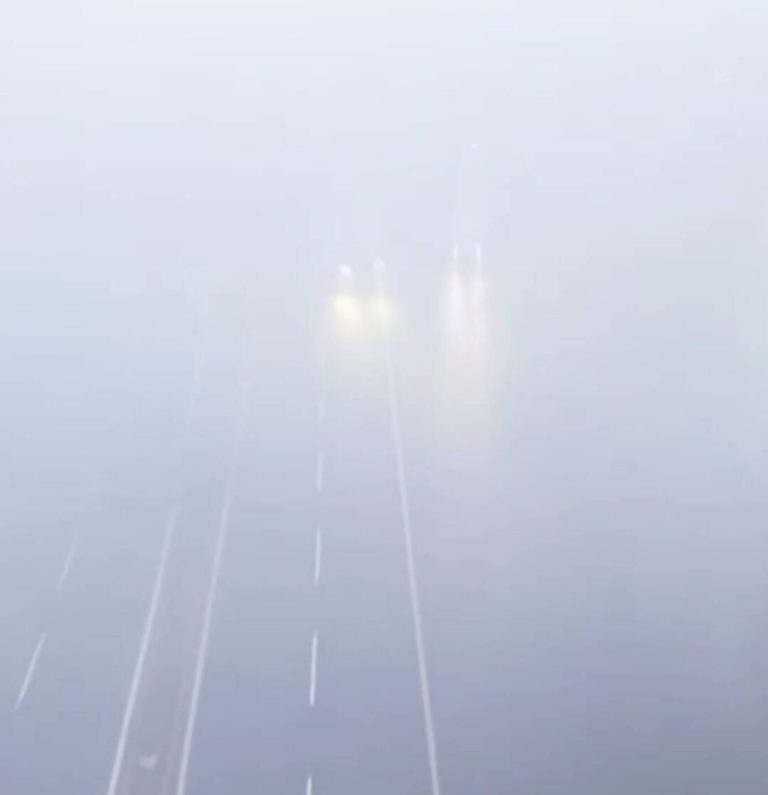
Delhi, the capital city of India, woke up to a thick layer of smog on Sunday morning, reducing visibility to zero in some areas. The dense smog not only affected the daily lives of the residents but also disrupted train and flight services. According to the India Meteorological Department (IMD), the visibility was recorded at zero at Safdarjung station in Delhi, making it difficult for people to navigate through the city.
The smog was so dense that it reduced the visibility to just a few meters, causing problems for commuters. The situation was worse in areas near the airport, where flight operations were affected due to poor visibility. Several flights were delayed or cancelled, leaving passengers stranded at the airport. The railway services were also disrupted, with several trains running late due to reduced visibility.
Meanwhile, the air quality in Delhi also deteriorated to the severe category, with the Air Quality Index (AQI) reaching alarming levels. According to the data from the Central Pollution Control Board (CPCB), the AQI at Anand Vihar station in Delhi was recorded at 491 at 8 am, which is considered severe. The AQI at other stations in the city was also high, with values ranging from 400 to 450.
The severe air quality has raised health concerns, as it can cause respiratory problems and other health issues. The residents of Delhi are advised to take necessary precautions, such as wearing masks and avoiding outdoor activities, to minimize their exposure to polluted air. The government has also reimposed restrictions under the Graded Response Action Plan (GRAP-IV) to combat the severe air pollution.
The GRAP-IV restrictions include a ban on non-essential construction activities, closure of schools and colleges, and a restriction on the use of diesel generators. The government has also advised people to avoid using private vehicles and to use public transport instead. The restrictions are expected to remain in place until the air quality improves.
The dense smog and severe air quality in Delhi have once again highlighted the need for urgent action to address the pollution problem in the city. The government and the residents need to work together to reduce pollution and improve the air quality. This can be achieved by implementing measures such as increasing the use of public transport, promoting the use of clean energy, and reducing waste.
The residents of Delhi can also take steps to reduce their contribution to pollution. For example, they can use public transport or carpool to reduce the number of private vehicles on the road. They can also use eco-friendly products and reduce their use of plastics. Additionally, they can participate in tree plantation drives and other environmental initiatives to help improve the air quality.
In conclusion, the dense smog and severe air quality in Delhi are a major concern that needs to be addressed urgently. The government and the residents need to work together to reduce pollution and improve the air quality. By taking collective action, we can make Delhi a cleaner and healthier city to live in.
The situation is being closely monitored by the authorities, and the residents are advised to stay indoors and avoid outdoor activities until the air quality improves. The government is also taking steps to mitigate the effects of pollution, including the implementation of GRAP-IV restrictions.
As the city struggles to cope with the severe air pollution, the residents are hoping for a quick improvement in the air quality. The government and the residents need to work together to achieve this goal and make Delhi a better place to live.
In the meantime, the residents are advised to stay safe and take necessary precautions to minimize their exposure to polluted air. They can check the air quality index regularly and plan their activities accordingly. They can also use air purifiers and masks to reduce their exposure to pollutants.
The dense smog and severe air quality in Delhi are a wake-up call for the government and the residents to take action to address the pollution problem. By working together, we can reduce pollution and improve the air quality, making Delhi a cleaner and healthier city to live in.
Source: https://x.com/ANI/status/2012709713537053081
About the Author