Dense Smog Pushes Visibility to Zero in Delhi, Air Quality Also Deteriorates to Severe
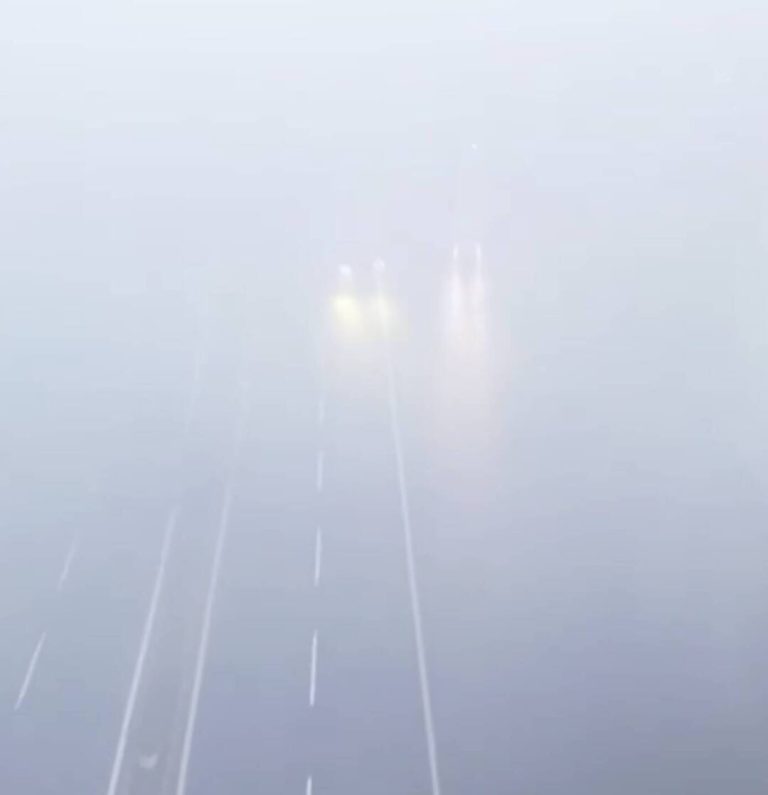
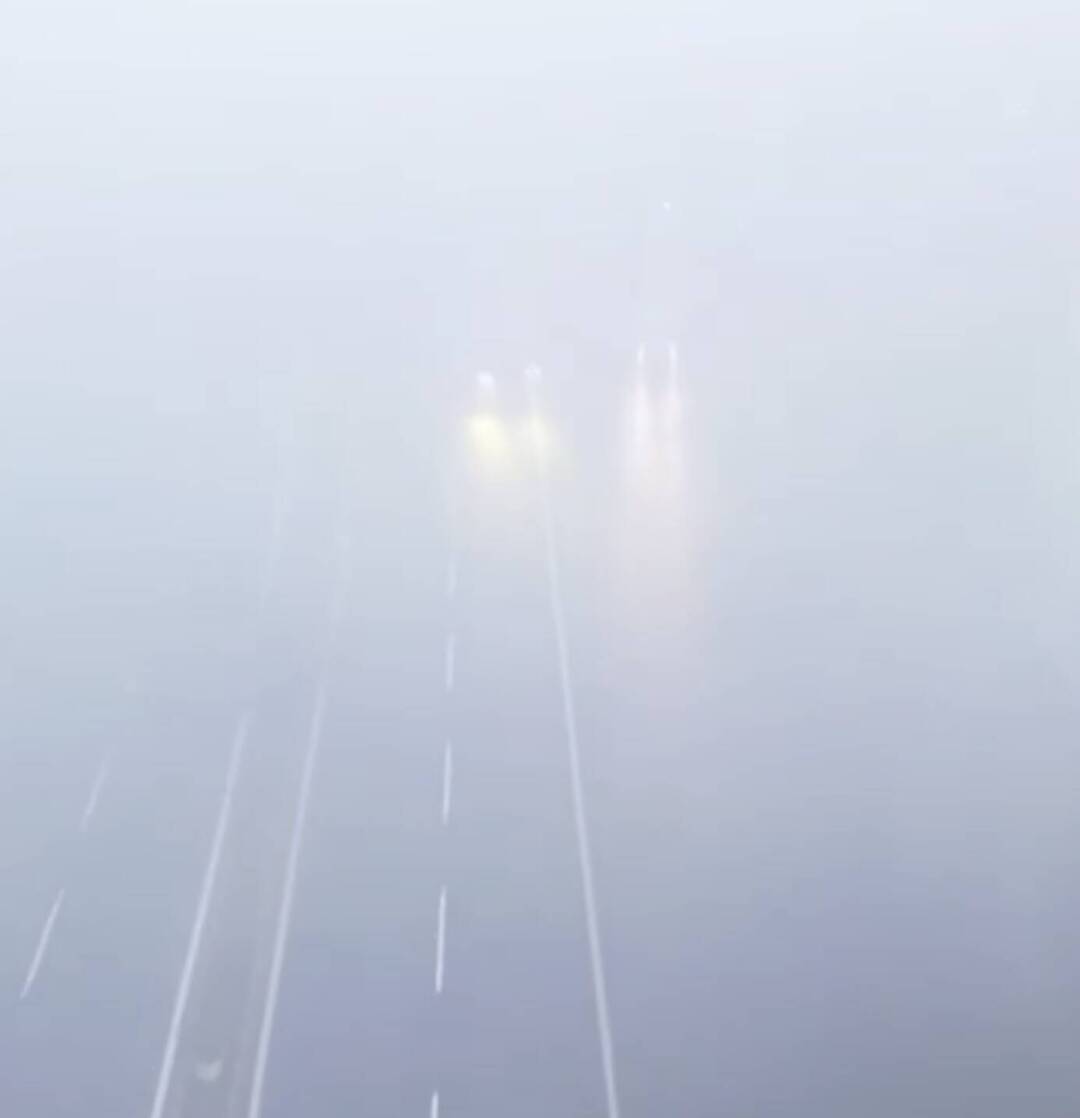
The national capital, Delhi, woke up to a thick layer of smog on Sunday morning, reducing visibility to almost zero. The dense fog not only affected the daily commute of residents but also disrupted train and flight services. According to the India Meteorological Department (IMD), the visibility was recorded at zero at Safdarjung station in Delhi, making it difficult for people to navigate through the city.
The smog was so severe that it brought the entire city to a standstill. The low visibility resulted in the delay and cancellation of several trains and flights, causing inconvenience to thousands of passengers. The situation was further exacerbated by the deteriorating air quality, which slipped into the severe category. Anand Vihar station recorded an Air Quality Index (AQI) of 491 at 8 am, indicating extremely poor air quality.
The severe air pollution has become a recurring problem in Delhi, especially during the winter months. The city’s geography, combined with the pollution from vehicles, industries, and stubble burning in neighboring states, makes it prone to smog and poor air quality. The situation is further worsened by the lack of effective measures to tackle the problem, despite the government’s claims of taking steps to improve the air quality.
The re-imposition of restrictions under the Graded Response Action Plan (GRAP-IV) is a clear indication of the severity of the situation. The plan, which was implemented to tackle the air pollution crisis, includes measures such as banning construction activities, restricting the use of diesel generators, and imposing a fine on those who violate the rules. However, the effectiveness of these measures is yet to be seen, and it remains to be seen whether they will be able to bring any significant improvement in the air quality.
The residents of Delhi are bearing the brunt of the poor air quality, with many complaining of respiratory problems and other health issues. The situation is particularly alarming for children, the elderly, and those with pre-existing medical conditions, who are more vulnerable to the effects of air pollution. The government’s inaction and lack of effective measures to tackle the problem have left the residents frustrated and helpless.
The economic impact of the smog and poor air quality should not be underestimated either. The disruption in train and flight services has resulted in significant losses for the tourism and hospitality industries, which are already struggling to recover from the pandemic. The poor air quality has also affected the productivity of employees, with many being forced to take sick leaves due to respiratory problems.
The need of the hour is for the government to take concrete and effective measures to tackle the air pollution crisis in Delhi. This includes implementing strict laws to regulate pollution from vehicles and industries, increasing the use of renewable energy sources, and promoting sustainable practices. The government must also work with neighboring states to prevent stubble burning, which is a major contributor to the poor air quality in Delhi.
In addition, the government must invest in improving the public transportation system, promoting the use of electric vehicles, and increasing the number of green spaces in the city. The residents of Delhi must also do their part by adopting sustainable practices, reducing their carbon footprint, and supporting initiatives that aim to improve the air quality.
In conclusion, the dense smog and poor air quality in Delhi are a serious concern that requires immediate attention and action. The government must take effective measures to tackle the problem, and the residents must do their part to support these efforts. The situation is alarming, and it is essential that we work together to find a solution to this crisis.
Source: https://x.com/ANI/status/2012709713537053081
About the Author