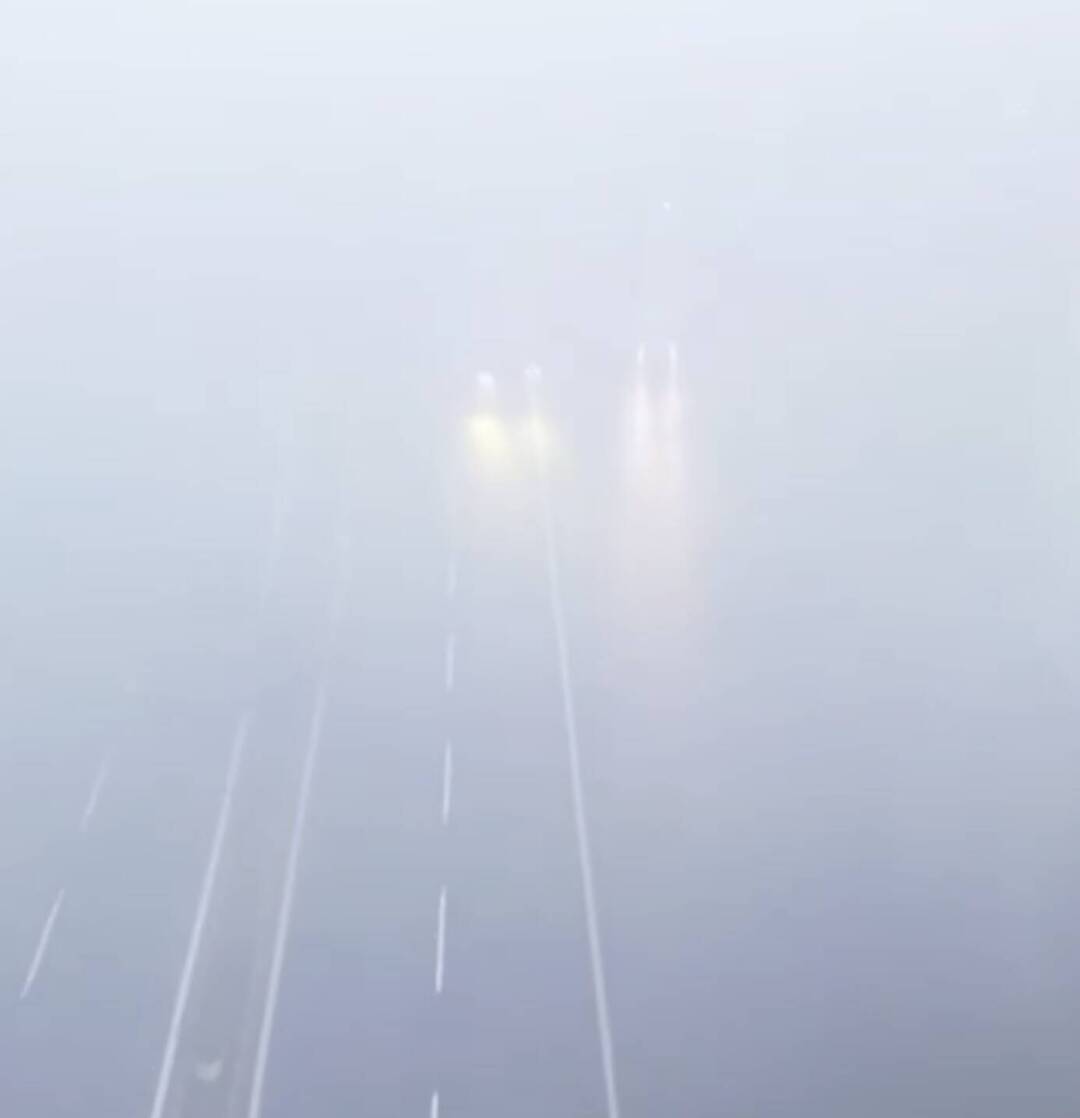
Dense Smog Pushes Visibility to Zero in Delhi, Air Quality Also Deteriorates to Severe
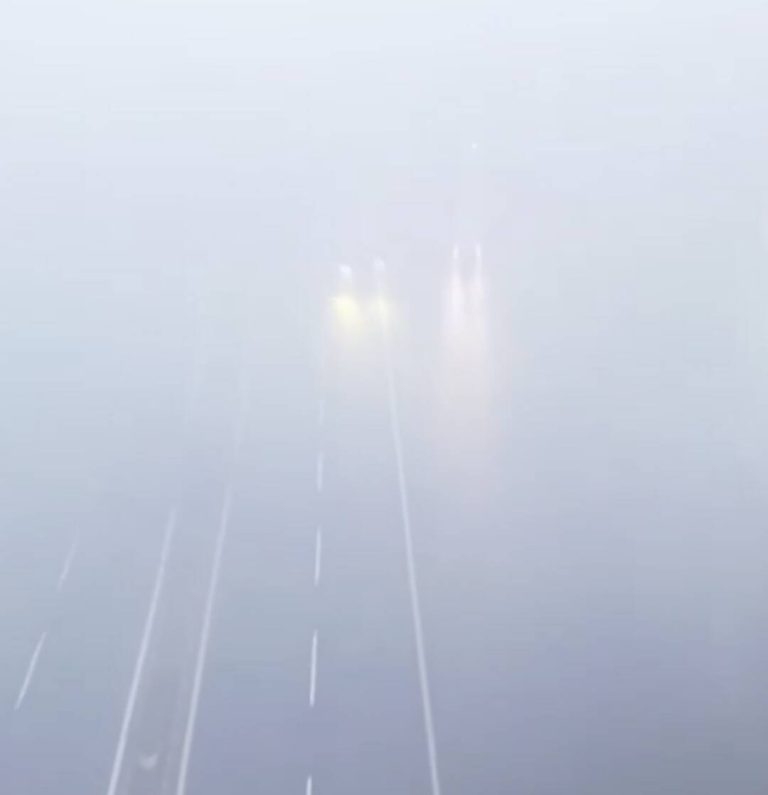
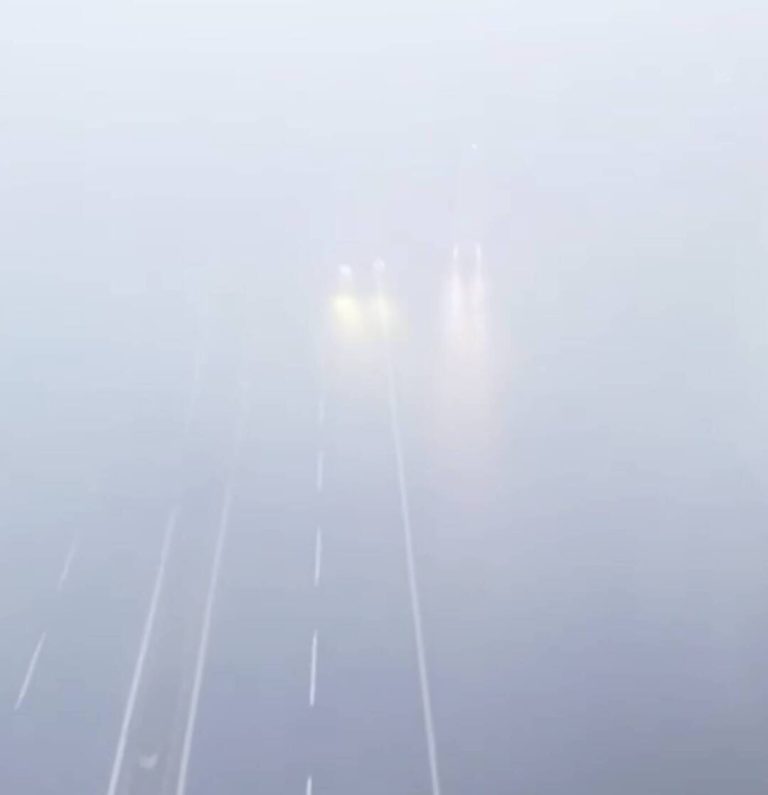
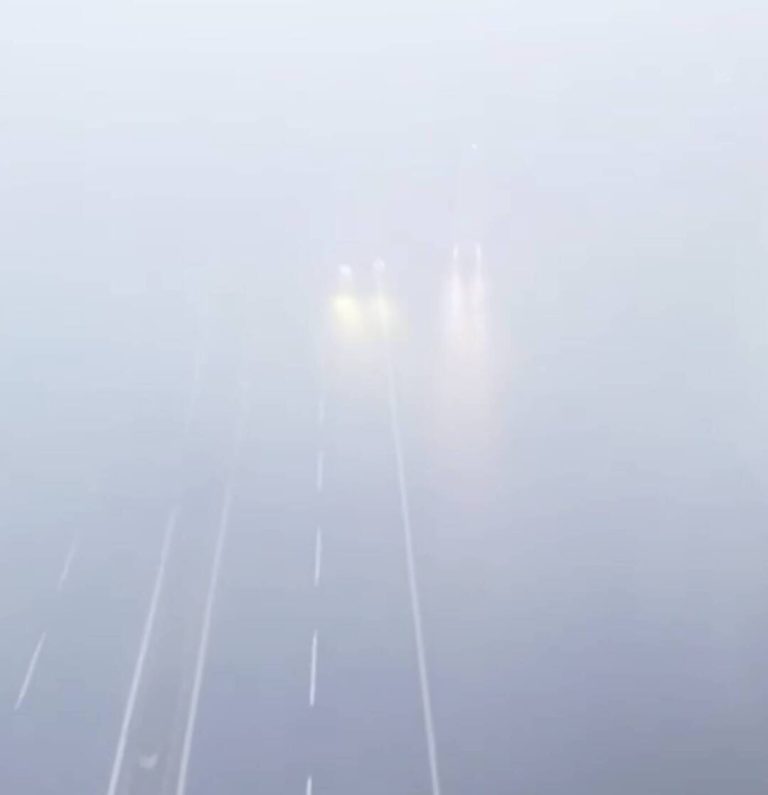
A thick layer of smog engulfed Delhi and neighboring areas on Sunday morning, affecting train and flight services. The dense fog reduced visibility to almost zero, causing disruptions in transportation and daily life. According to the India Meteorological Department (IMD), visibility was recorded at zero at Safdarjung station in Delhi, making it one of the worst mornings in recent memory.
The situation was exacerbated by the deteriorating air quality, which slipped into the severe category. Anand Vihar station recorded an Air Quality Index (AQI) of 491 at 8 am, indicating a severe level of pollution. The AQI is a measure of the level of pollutants in the air, and a reading above 400 is considered severe. The poor air quality is a major concern for residents, especially those with respiratory issues, as it can exacerbate conditions like asthma and other breathing problems.
The restrictions under the Graded Response Action Plan (GRAP-IV) have been reimposed in an effort to mitigate the situation. GRAP is a set of measures implemented by the government to tackle air pollution in the National Capital Region (NCR). The plan involves a series of steps, including restrictions on construction activities, closure of schools, and a ban on the use of diesel generators. The reimposition of GRAP-IV restrictions is a clear indication of the severity of the situation and the need for immediate action to improve air quality.
The dense smog and poor air quality have had a significant impact on transportation in the region. Several trains were delayed or canceled due to poor visibility, causing inconvenience to passengers. Flight services were also affected, with some flights being diverted or delayed. The situation is a reminder of the need for effective measures to tackle air pollution and ensure that the transportation system is not disrupted by such events.
The causes of the dense smog and poor air quality are complex and multifaceted. One of the main contributors is the burning of crop residue in neighboring states, which releases large amounts of pollutants into the air. The practice of stubble burning is a major concern, as it not only pollutes the air but also harms the soil and the environment. Other factors, such as vehicular emissions, industrial pollution, and construction activities, also contribute to the poor air quality.
The government has been taking steps to address the issue of air pollution, including the implementation of GRAP and other measures. However, more needs to be done to tackle the root causes of the problem. This includes implementing stricter regulations on polluting industries, promoting the use of clean energy, and educating the public about the importance of reducing pollution.
In addition to government efforts, individuals can also play a role in reducing pollution. Simple actions, such as using public transport, carpooling, or driving electric or hybrid vehicles, can make a significant difference. Reducing energy consumption, using energy-efficient appliances, and recycling waste can also help to minimize our carbon footprint.
The situation in Delhi is a wake-up call for the entire country. Air pollution is a national problem that requires a national response. It is essential that we work together to address this issue and ensure that our air is clean and healthy to breathe. This requires a collaborative effort from the government, industries, and individuals to implement effective measures to reduce pollution and promote sustainability.
In conclusion, the dense smog and poor air quality in Delhi are a major concern that requires immediate attention. The reimposition of GRAP-IV restrictions is a step in the right direction, but more needs to be done to tackle the root causes of the problem. It is essential that we work together to promote sustainability, reduce pollution, and ensure that our air is clean and healthy to breathe.
News Source: https://x.com/ANI/status/2012709713537053081
About the Author