Dense Smog Pushes Visibility to Zero in Delhi, Air Quality Also Deteriorates to Severe
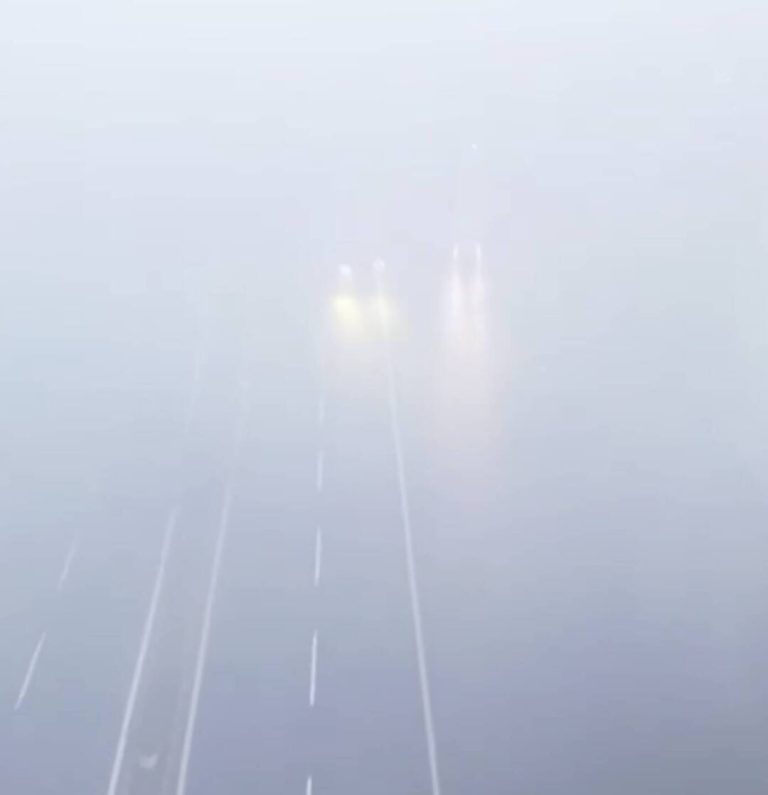
The national capital, Delhi, woke up to a thick layer of smog on Sunday morning, reducing visibility to almost zero. The dense fog, which engulfed not just Delhi but also neighboring areas, had a significant impact on train and flight services. According to the India Meteorological Department (IMD), the visibility at Safdarjung station in Delhi was recorded at zero, making it extremely difficult for people to navigate through the city.
The situation was further exacerbated by the deteriorating air quality, which slipped into the severe category. The Anand Vihar station in Delhi recorded an Air Quality Index (AQI) of 491 at 8 am, indicating extremely hazardous air quality. The severe air pollution has raised serious health concerns, with residents advised to take necessary precautions to minimize their exposure to the toxic air.
The severe air pollution has prompted the authorities to reimpose restrictions under the Graded Response Action Plan (GRAP-IV), which includes a ban on non-essential construction activities, closure of schools, and restrictions on the movement of trucks and other heavy vehicles. The restrictions aim to mitigate the severity of the air pollution and reduce the harmful effects on the citizens.
The dense smog and severe air pollution have been attributed to a combination of factors, including the burning of crop residue in neighboring states, vehicular emissions, and industrial pollution. The lack of wind and low temperatures have also contributed to the accumulation of pollutants in the air, making the situation worse.
The impact of the smog and air pollution has been felt across various sectors, with train and flight services being severely disrupted. Several trains were delayed or canceled due to poor visibility, while flight operations were also affected at the Indira Gandhi International Airport. The smog has also caused inconvenience to commuters, with many struggling to reach their destinations due to reduced visibility.
The authorities have advised citizens to take necessary precautions to protect themselves from the severe air pollution. People have been asked to wear masks, avoid outdoor activities, and keep their windows and doors closed to prevent the entry of polluted air. The government has also set up a helpline to provide assistance to those affected by the air pollution.
The severe air pollution in Delhi has once again highlighted the need for urgent action to address the issue. The government has been working to implement measures to reduce pollution, including the promotion of electric vehicles, improvement of public transport, and stricter emission norms. However, more needs to be done to address the root causes of pollution and ensure that the citizens of Delhi can breathe clean air.
In the short term, the authorities must take immediate action to mitigate the severity of the air pollution. This includes enforcing the restrictions under GRAP-IV, increasing the deployment of anti-smog guns, and providing support to those affected by the pollution. In the long term, a sustainable solution to the air pollution problem requires a multi-faceted approach, involving the government, citizens, and other stakeholders.
The citizens of Delhi must also play their part in reducing pollution by adopting environmentally friendly practices, such as using public transport, carpooling, and reducing their use of fossil fuels. The government must also work to increase awareness about the hazards of air pollution and the importance of protecting the environment.
In conclusion, the dense smog and severe air pollution in Delhi have created a hazardous situation, affecting not just the citizens but also the economy and the environment. It is essential that the authorities take immediate action to mitigate the severity of the pollution and work towards a long-term solution to address the root causes of the problem. The citizens of Delhi deserve to breathe clean air, and it is the responsibility of the government and the citizens to ensure that the city becomes a healthier and more sustainable place to live.
Source: https://x.com/ANI/status/2012709713537053081
About the Author