Dense Smog Pushes Visibility to Zero in Delhi, Air Quality Also Deteriorates to Severe
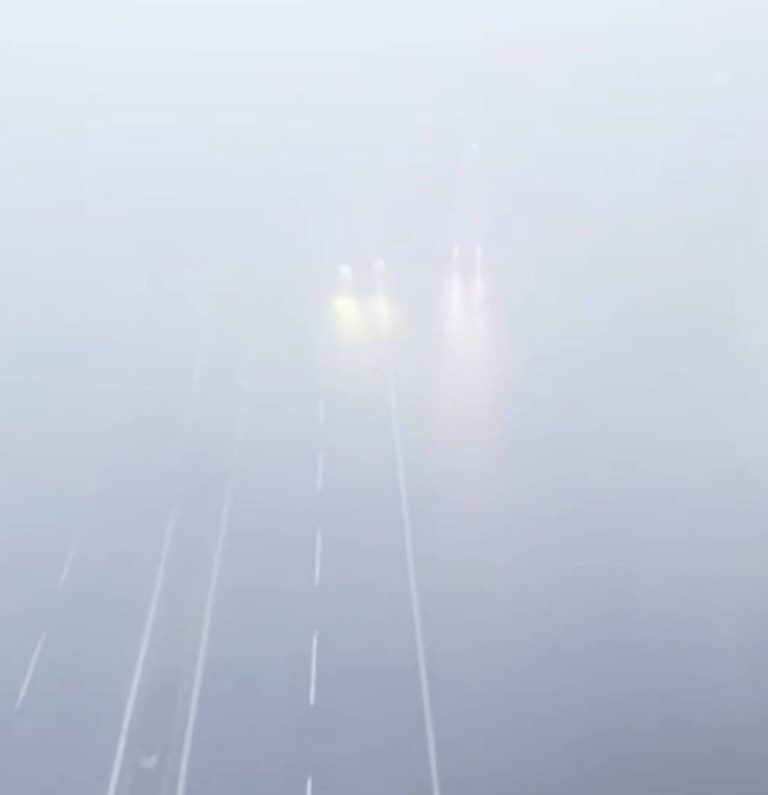
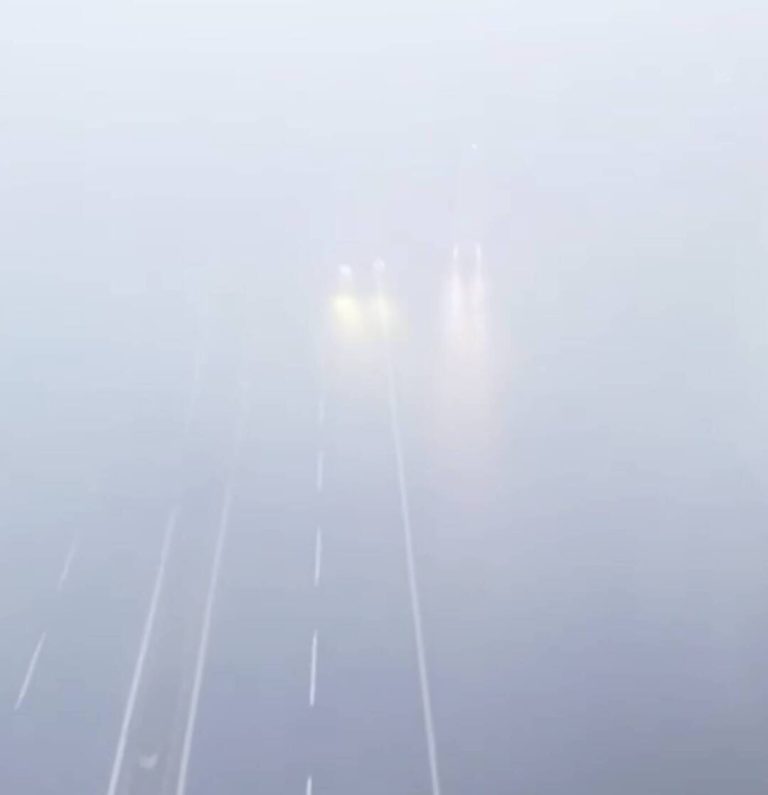
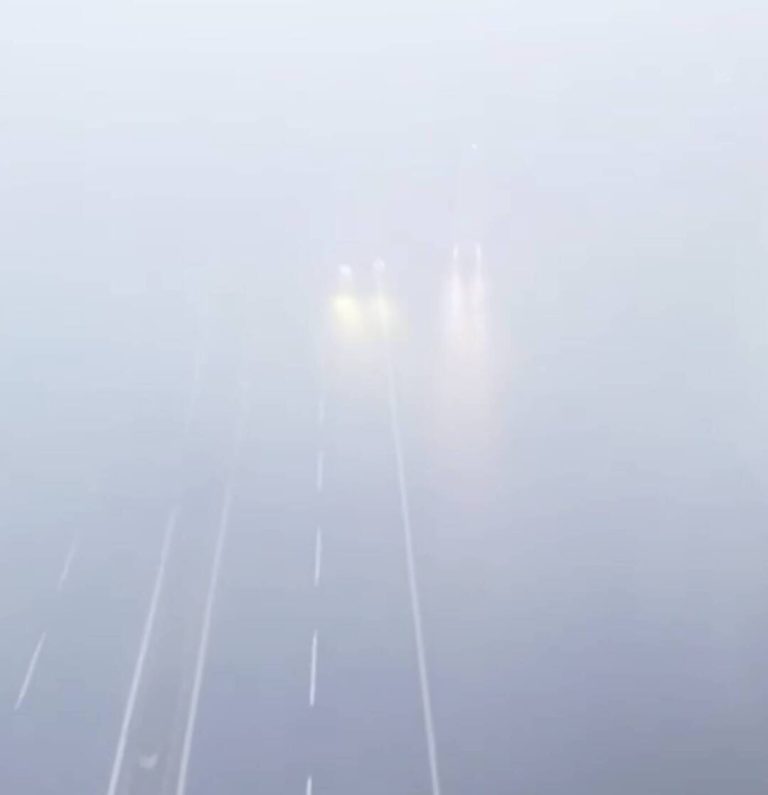
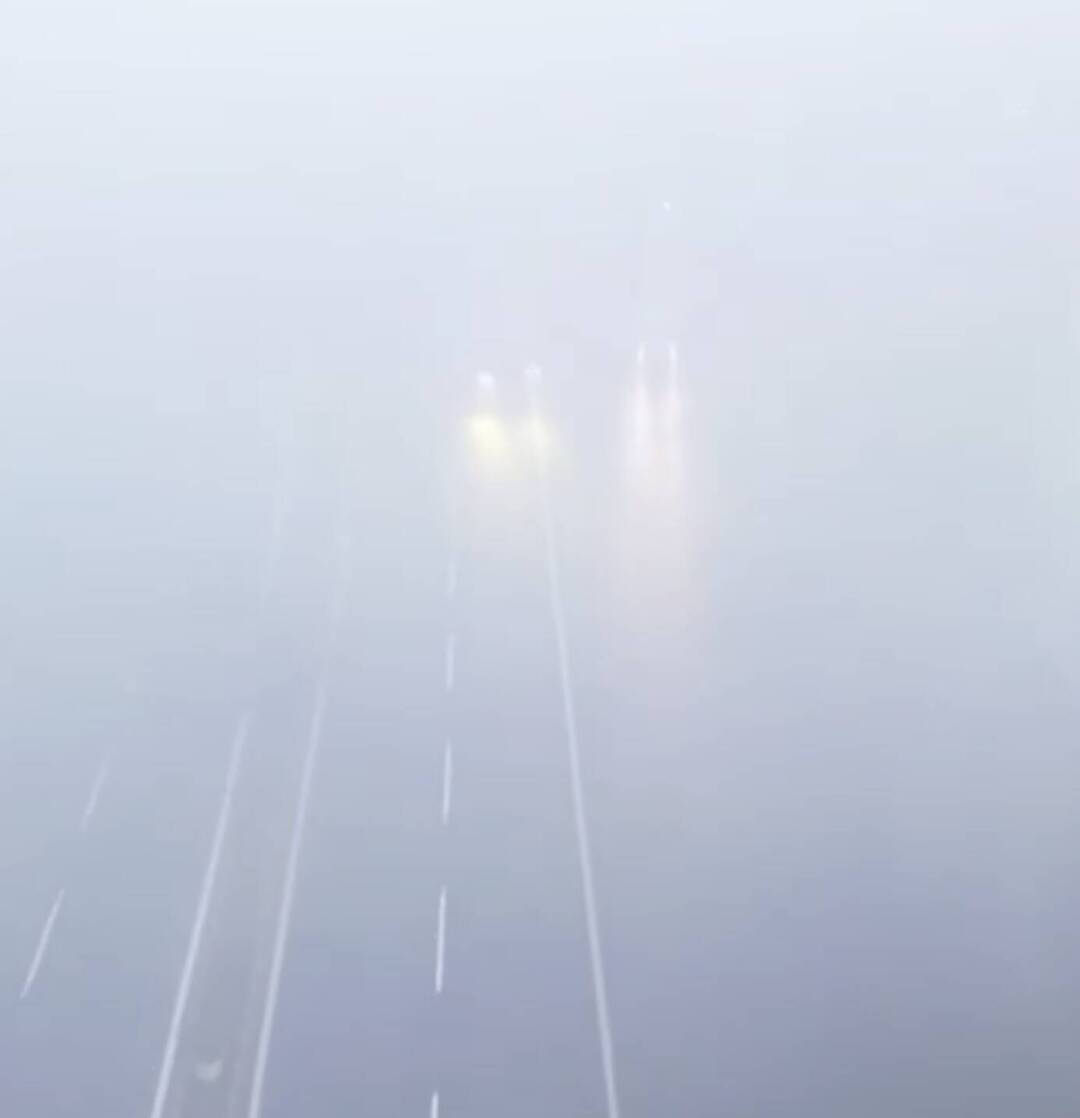
A thick layer of smog engulfed Delhi and neighboring areas on Sunday morning, affecting train and flight services. The dense fog reduced visibility to almost zero, causing disruptions in transportation and daily life. According to the India Meteorological Department (IMD), visibility was recorded at zero at Safdarjung station in Delhi, highlighting the severity of the situation.
The smog not only affected visibility but also had a significant impact on air quality. The air quality in Delhi deteriorated to the severe category, with Anand Vihar station recording an Air Quality Index (AQI) of 491 at 8 am. This is a significant concern, as severe air quality can have serious health implications, particularly for vulnerable populations such as children, the elderly, and those with pre-existing medical conditions.
The severe air quality and reduced visibility have prompted the authorities to reimpose restrictions under the Graded Response Action Plan (GRAP-IV). GRAP-IV is a set of measures designed to mitigate the effects of air pollution in the National Capital Region (NCR). The plan includes a range of actions, from restricting the use of diesel generators to banning the entry of trucks into the city.
The dense smog and severe air quality have also had a significant impact on transportation in the region. Several trains were delayed or canceled due to the reduced visibility, causing inconvenience to passengers. Flight services were also affected, with some flights being diverted or delayed due to the poor visibility.
The situation is a cause for concern, as it highlights the ongoing struggle to manage air pollution in Delhi. Despite efforts to reduce pollution, the city continues to experience severe air quality issues, particularly during the winter months. The use of fossil fuels, industrial activities, and agricultural burning are all contributing factors to the poor air quality.
The authorities have been working to address the issue, with measures such as increasing the use of clean energy, promoting the use of electric vehicles, and implementing stricter emission norms. However, more needs to be done to effectively mitigate the problem. The public also has a role to play, by taking steps to reduce their own contribution to air pollution, such as using public transport, carpooling, or avoiding the use of diesel generators.
The effects of air pollution on human health are well-documented. Exposure to poor air quality can cause a range of health problems, from respiratory issues such as asthma and bronchitis, to more serious conditions such as heart disease and stroke. Children and the elderly are particularly vulnerable, as they may have weaker immune systems and be more susceptible to the effects of pollution.
In addition to the health impacts, air pollution also has significant economic costs. A study by the World Health Organization (WHO) estimated that air pollution costs the Indian economy over $150 billion annually, due to lost productivity, healthcare costs, and other factors.
To address the issue, the government has launched several initiatives, including the National Clean Air Programme (NCAP). The NCAP aims to reduce particulate matter (PM) levels by 20-30% across the country by 2024. The program includes a range of measures, such as increasing the use of clean energy, promoting the use of electric vehicles, and implementing stricter emission norms.
In conclusion, the dense smog and severe air quality in Delhi are a cause for concern, highlighting the ongoing struggle to manage air pollution in the city. The authorities have reimposed restrictions under GRAP-IV, and the public must also take steps to reduce their contribution to air pollution. The effects of air pollution on human health and the economy are significant, and it is essential that we work together to mitigate the problem.
Source: https://x.com/ANI/status/2012709713537053081
About the Author