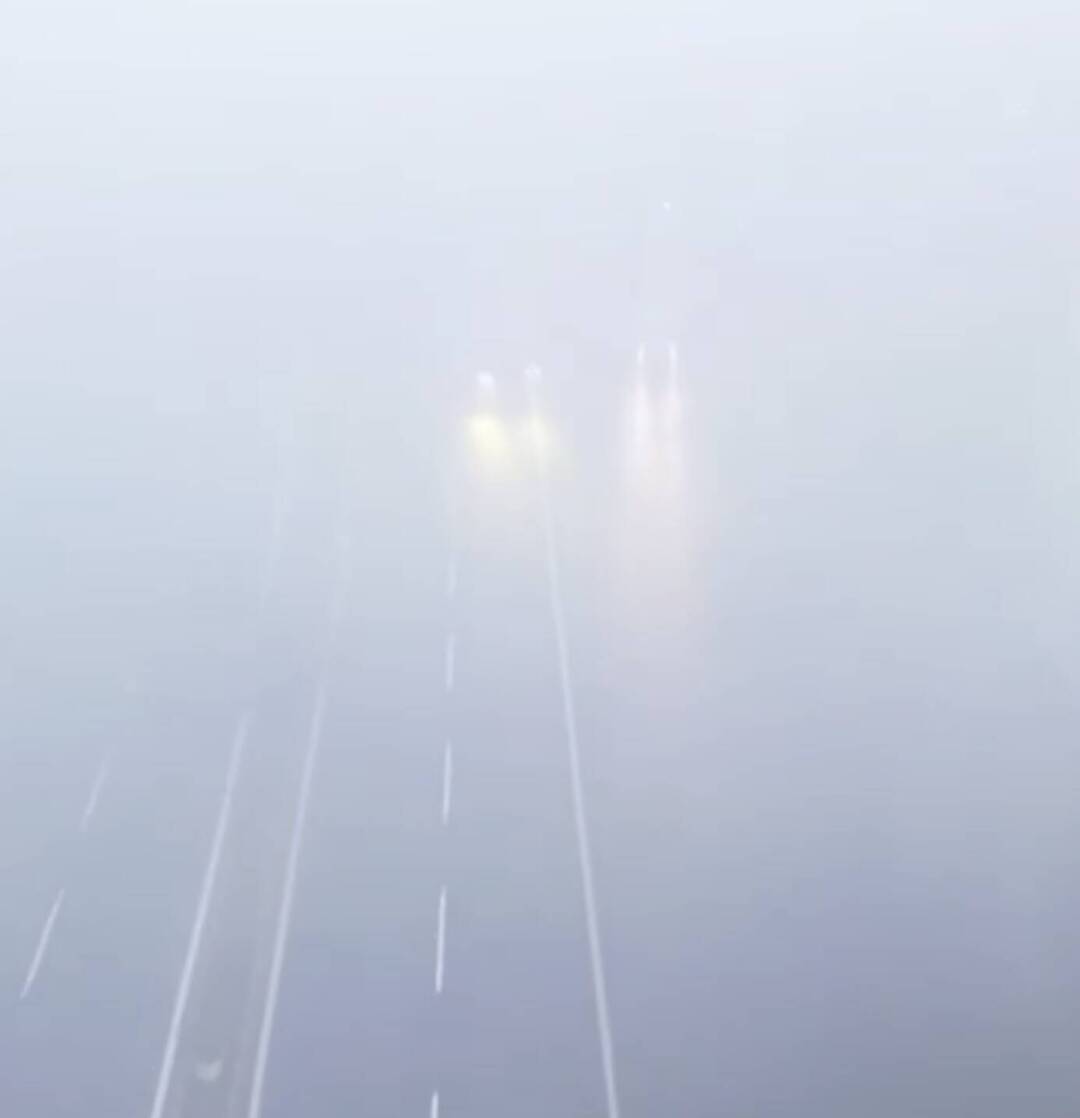
Dense Smog Pushes Visibility to Zero in Delhi, Air Quality Also Deteriorates to Severe
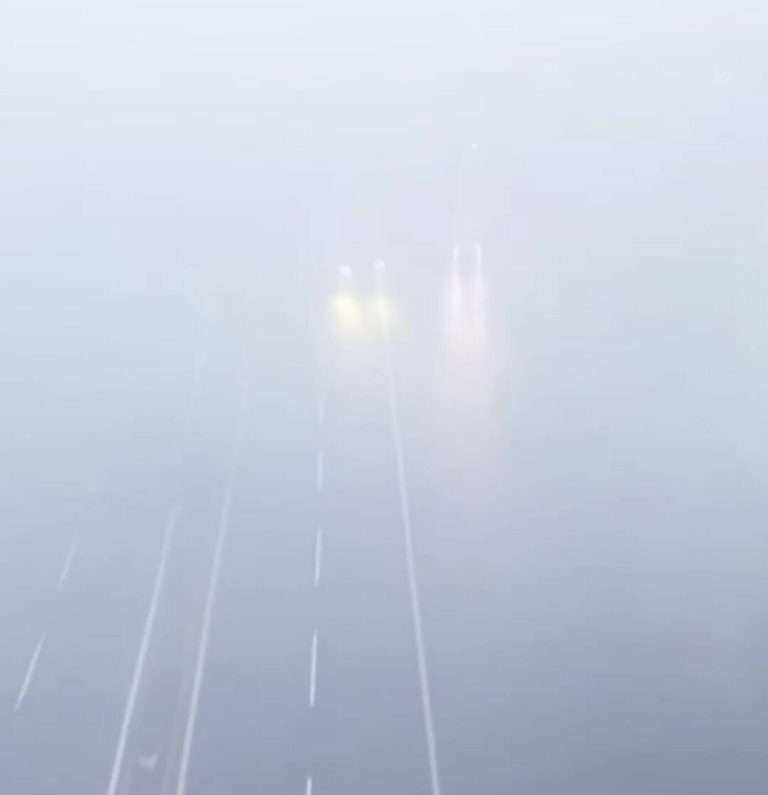
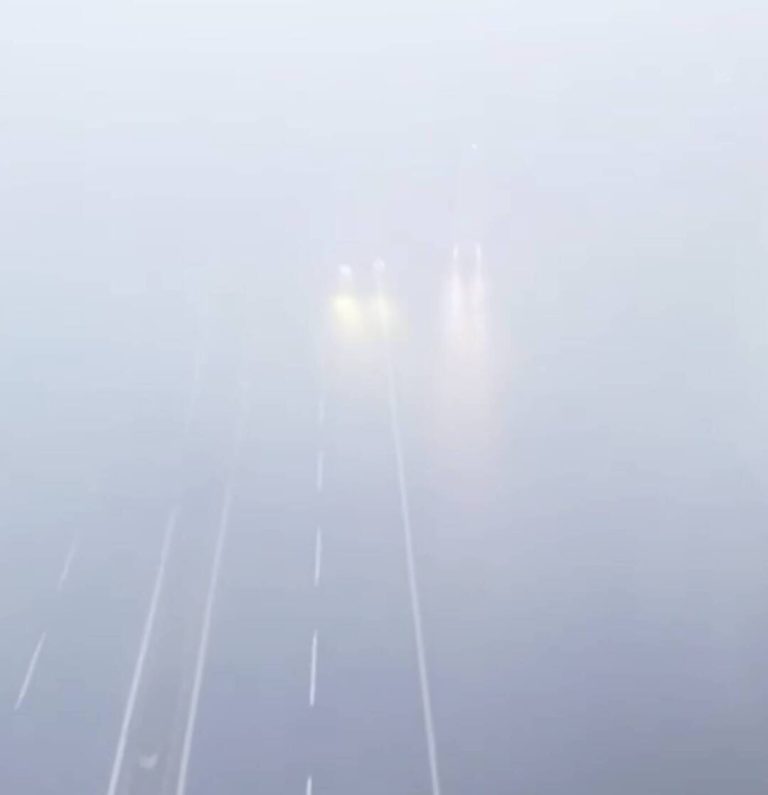
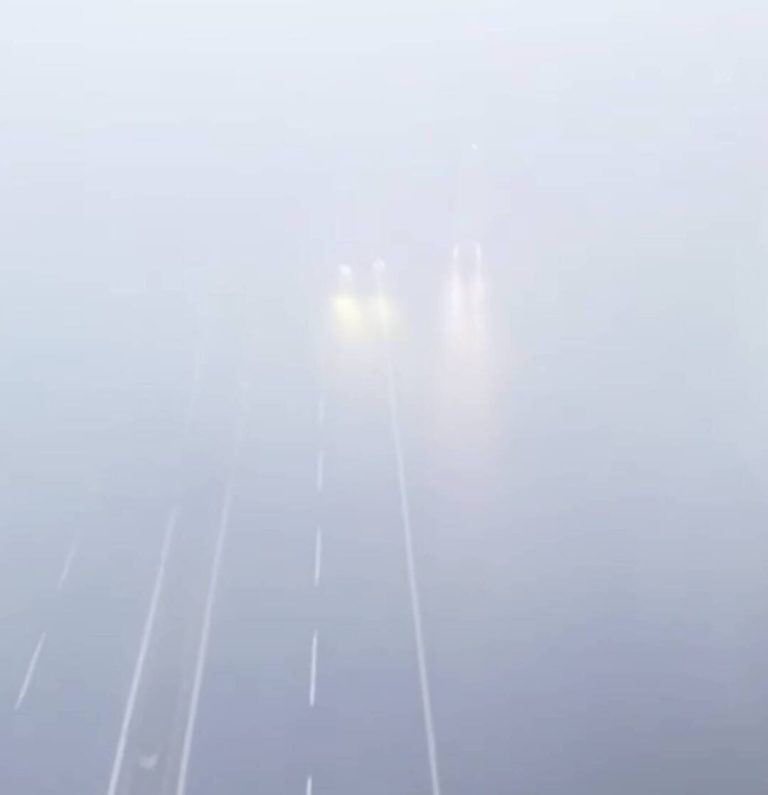
The national capital, Delhi, woke up to a bleak Sunday morning as a thick layer of smog engulfed the city and its neighboring areas. The dense fog not only affected the daily commute of residents but also disrupted train and flight services, bringing the city to a grinding halt. According to the India Meteorological Department (IMD), the visibility was recorded at zero at the Safdarjung station in Delhi, making it difficult for people to navigate through the city.
The situation was further exacerbated by the deteriorating air quality, which slipped into the severe category. The Anand Vihar station recorded an Air Quality Index (AQI) of 491 at 8 am, indicating a severe level of pollution. The AQI is a measure of the level of air pollution in a given area, and a reading above 400 is considered severe. Prolonged exposure to such poor air quality can have serious health implications, including respiratory problems and cardiovascular diseases.
The smog and poor air quality have been attributed to a combination of factors, including the burning of crop stubble in neighboring states, vehicular emissions, and industrial pollution. The city’s geography, with the Himalayas to the north and the plains to the south, also contributes to the trapping of pollutants, making it difficult for them to dissipate.
The disruption caused by the smog was evident in the city’s transportation systems. Several trains were delayed or canceled due to poor visibility, leaving commuters stranded at stations. Flight services were also affected, with some flights being diverted or delayed due to the low visibility. The situation was further complicated by the fact that the smog reduced the visibility to just a few meters, making it difficult for drivers to navigate through the city.
In response to the deteriorating air quality, the Delhi government has reimposed restrictions under the Graded Response Action Plan (GRAP-IV). The plan involves a set of measures to mitigate the effects of air pollution, including the closure of schools, restrictions on construction activities, and a ban on the entry of trucks into the city. The government has also advised residents to avoid outdoor activities and to wear masks when venturing out.
The GRAP-IV restrictions are a part of a larger effort to combat air pollution in Delhi. The plan involves a collaborative effort between various government agencies, including the Delhi government, the Central Pollution Control Board (CPCB), and the IMD. The plan is designed to be implemented in a graded manner, with different levels of restrictions being imposed based on the severity of the air pollution.
The situation in Delhi highlights the need for urgent action to address the issue of air pollution. The city’s residents are paying a heavy price for the poor air quality, with many suffering from respiratory problems and other health issues. The government and other stakeholders must work together to implement effective measures to reduce pollution and improve the air quality.
Some of the measures that can be taken to reduce air pollution in Delhi include increasing the use of public transport, promoting the use of electric vehicles, and reducing the burning of crop stubble in neighboring states. The city’s residents can also play a crucial role by adopting environmentally friendly practices, such as reducing their energy consumption and using eco-friendly products.
In conclusion, the dense smog and poor air quality in Delhi are a major cause for concern. The situation highlights the need for urgent action to address the issue of air pollution and to protect the health and well-being of the city’s residents. The government and other stakeholders must work together to implement effective measures to reduce pollution and improve the air quality.
News Source: https://x.com/ANI/status/2012709713537053081
About the Author