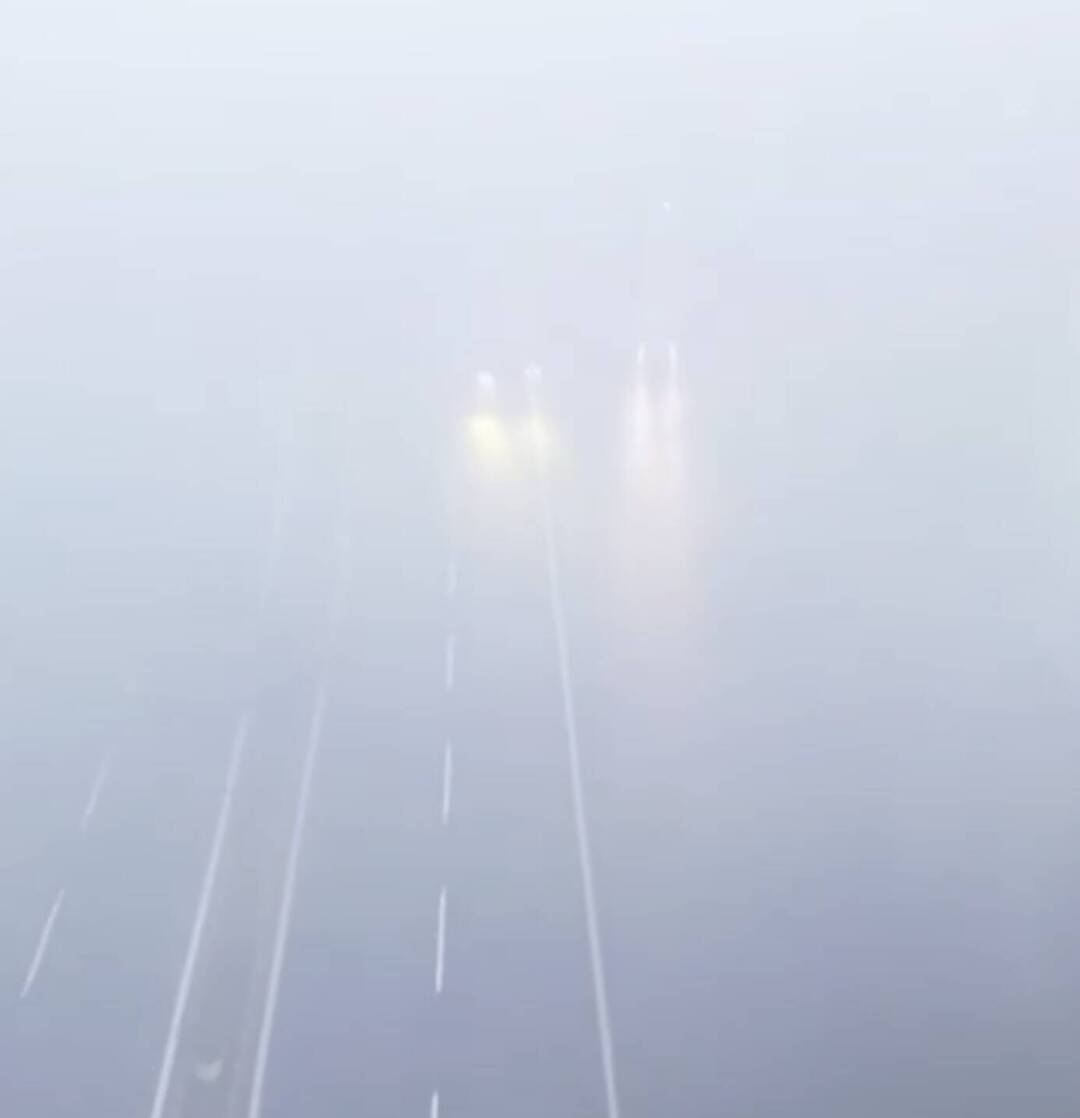
Dense Smog Pushes Visibility to Zero in Delhi, Air Quality Also Deteriorates to Severe
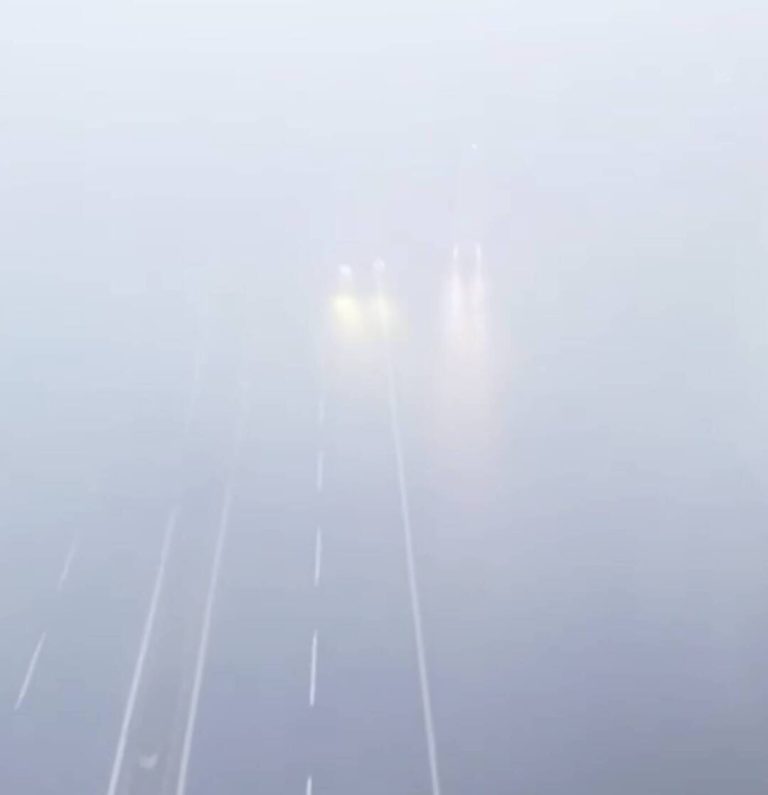
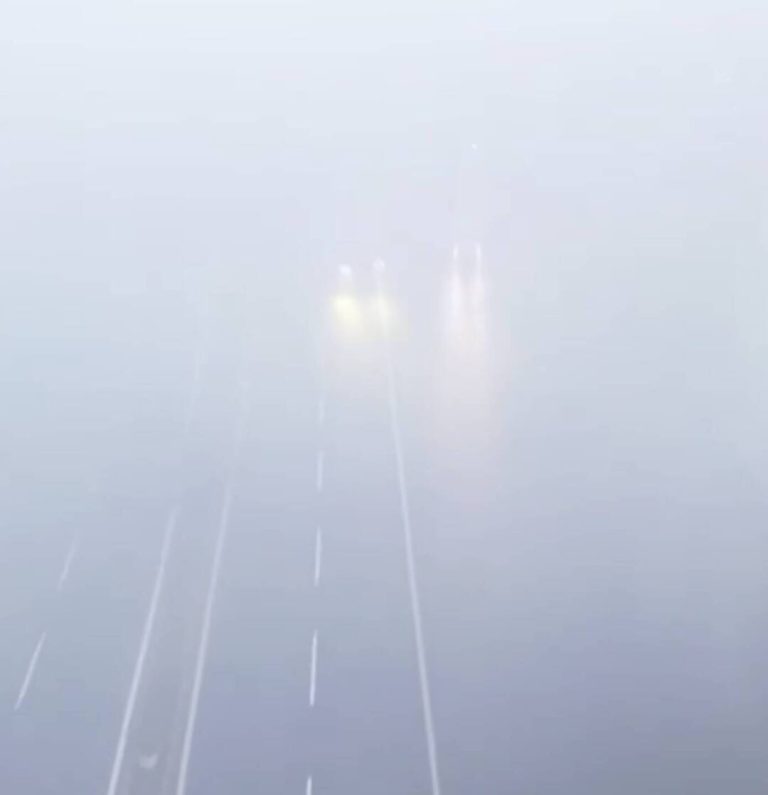
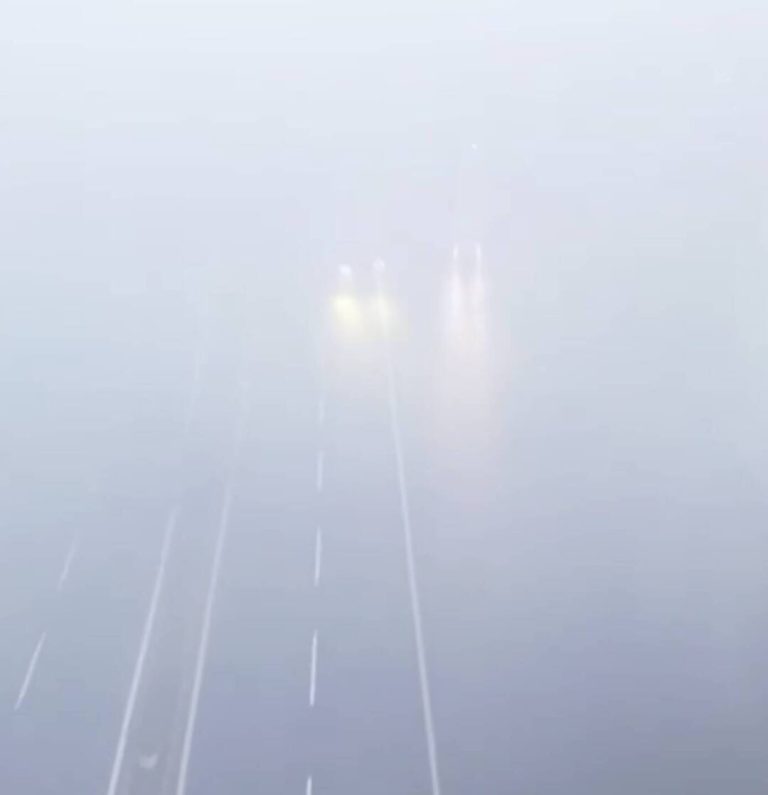
The national capital, Delhi, woke up to a hazardous morning on Sunday as a thick layer of smog engulfed the city and its neighboring areas. The dense fog not only affected the visibility but also disrupted the normal functioning of train and flight services. According to the India Meteorological Department (IMD), the visibility was recorded at zero at the Safdarjung station in Delhi, making it extremely difficult for people to navigate through the city.
The situation was further exacerbated by the deteriorating air quality, which slipped into the severe category. The Anand Vihar station in Delhi recorded an Air Quality Index (AQI) of 491 at 8 am, indicating a severe level of pollution. The poor air quality is a major concern for the residents of Delhi, as it can cause serious health problems, especially for those with pre-existing respiratory conditions.
The smog and poor air quality have forced the authorities to reimpose restrictions under the Graded Response Action Plan (GRAP-IV). The plan is designed to mitigate the effects of air pollution and includes measures such as banning the entry of trucks into the city, except for those carrying essential commodities, and restricting the construction activities.
The residents of Delhi are advised to take necessary precautions to protect themselves from the hazardous air quality. They are recommended to wear masks, avoid outdoor activities, and keep their windows and doors closed to prevent the entry of polluted air into their homes. The authorities have also set up a helpline number for the residents to report any complaints or concerns related to air pollution.
The current situation in Delhi is a stark reminder of the need for urgent action to address the issue of air pollution. The city has been struggling with poor air quality for years, and the situation worsens during the winter months. The authorities must take concrete steps to reduce the pollution levels and ensure that the residents of Delhi can breathe clean air.
One of the major contributors to the poor air quality in Delhi is the burning of crop residue in the neighboring states of Punjab and Haryana. The smoke from these fires travels to Delhi, adding to the already high levels of pollution. The authorities must work with the farmers in these states to find alternative solutions to the burning of crop residue, such as providing them with subsidies for machines that can help them dispose of the residue in a more environmentally friendly manner.
Another major contributor to the poor air quality in Delhi is the vehicular pollution. The city has a large number of vehicles, and the emissions from these vehicles add significantly to the pollution levels. The authorities must take steps to promote the use of electric vehicles and improve the public transport system to reduce the number of private vehicles on the road.
The construction activities in Delhi are also a major source of pollution. The authorities must ensure that the construction sites are properly covered, and the dust is not allowed to escape into the air. The use of dust-suppressing measures such as water sprinkling and dust barriers can help reduce the pollution levels.
In addition to these measures, the authorities must also work to increase the green cover in the city. Trees and plants are natural air purifiers, and they can help reduce the pollution levels. The authorities must plant more trees and encourage the residents to do the same.
In conclusion, the current situation in Delhi is a wake-up call for the authorities and the residents to take urgent action to address the issue of air pollution. The city needs a comprehensive plan to reduce the pollution levels and ensure that the residents can breathe clean air. The authorities must work with the residents, farmers, and other stakeholders to find solutions to the problem and make Delhi a healthier and more livable city.
The situation is being closely monitored by the authorities, and the residents are advised to stay indoors and avoid any outdoor activities. The schools and colleges have been closed, and the residents are advised to avoid any travel plans.
The air quality is expected to remain severe for the next few days, and the authorities are taking all necessary steps to mitigate the effects of the pollution. The residents are advised to stay tuned to the local news and follow the instructions of the authorities to stay safe.
The air pollution in Delhi is a complex issue, and it requires a multi-faceted approach to solve. The authorities must work with the residents, farmers, and other stakeholders to find solutions to the problem and make Delhi a healthier and more livable city.
The current situation in Delhi is a reminder that the air pollution is not just a local issue, but a regional problem that requires a coordinated effort to solve. The authorities must work with the neighboring states to find solutions to the problem and make the entire region a healthier and more livable place.
In the end, it is the responsibility of the authorities and the residents to work together to address the issue of air pollution in Delhi. The city needs a comprehensive plan to reduce the pollution levels and ensure that the residents can breathe clean air. The authorities must take concrete steps to reduce the pollution levels, and the residents must cooperate with the authorities to make Delhi a healthier and more livable city.
Source: https://x.com/ANI/status/2012709713537053081
About the Author