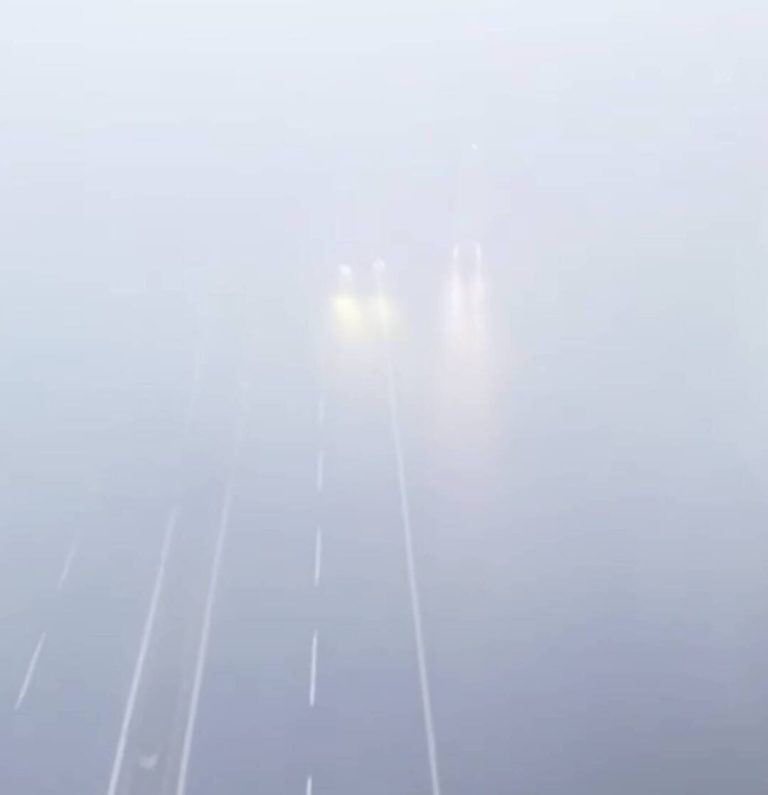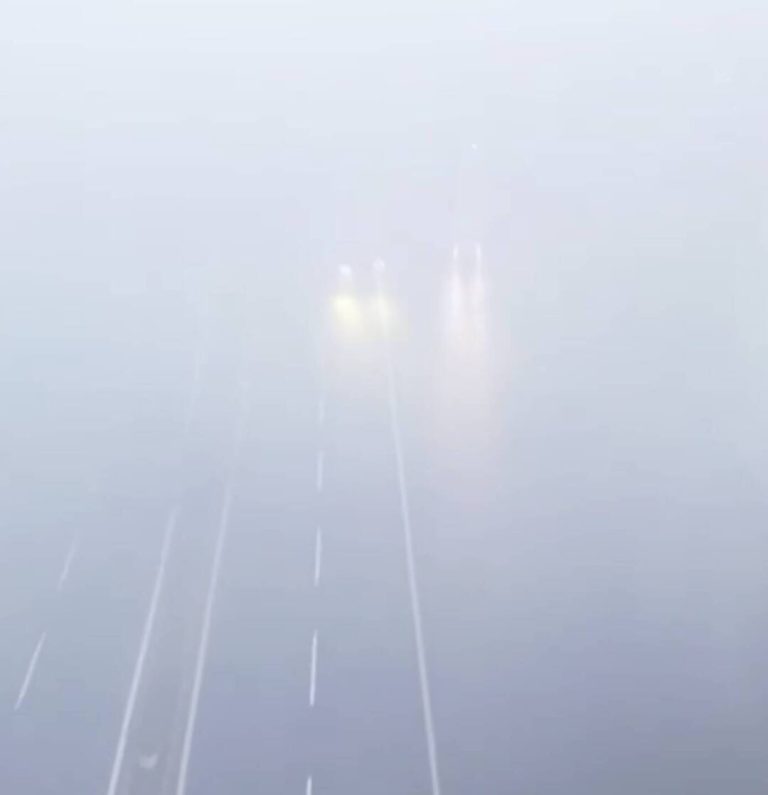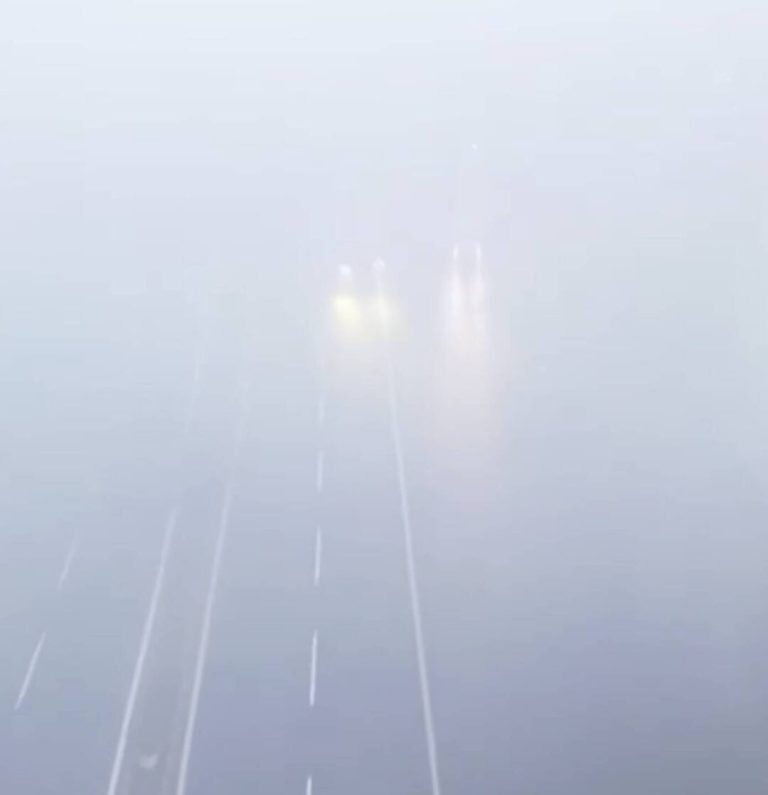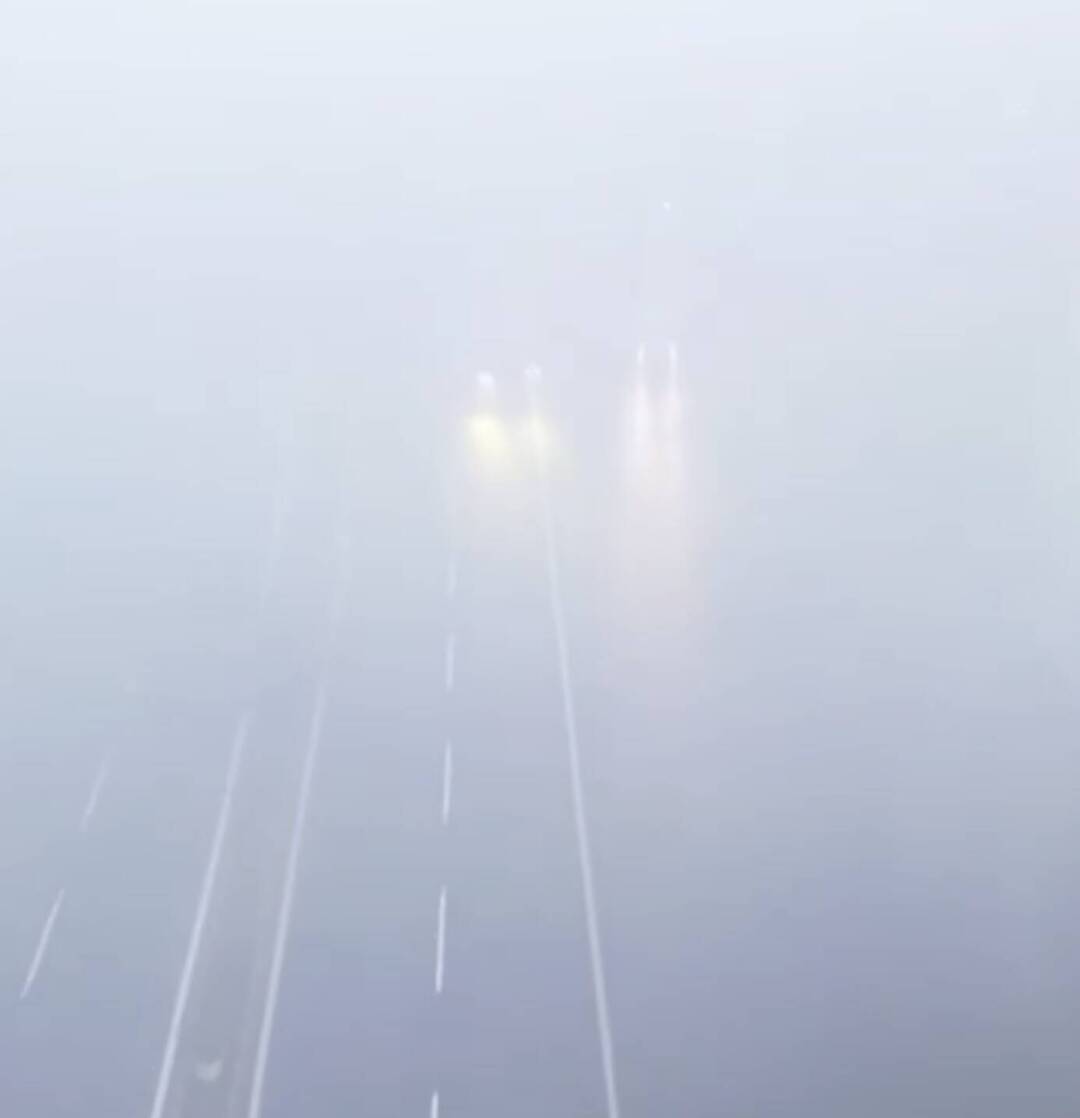
Dense smog pushes visibility to zero in Delhi, air quality also deteriorates to severe
The national capital, Delhi, woke up to a thick layer of smog on Sunday morning, reducing visibility to zero in some areas. The dense fog not only affected the daily commute of residents but also disrupted train and flight services. According to the India Meteorological Department (IMD), the visibility was recorded at zero at the Safdarjung station in Delhi, making it difficult for people to navigate through the city.
The situation was further exacerbated by the deteriorating air quality, which slipped into the severe category. The Anand Vihar station in Delhi recorded an Air Quality Index (AQI) of 491 at 8 am, indicating extremely poor air quality. The AQI is a measure of the level of pollutants in the air, and a reading above 400 is considered severe. Prolonged exposure to such poor air quality can have serious health implications, including respiratory problems and cardiovascular diseases.
The smog and poor air quality have been attributed to a combination of factors, including stubble burning in neighboring states, vehicular emissions, and industrial pollution. The situation is further worsened by the cool winter weather, which traps the pollutants in the air, preventing them from dispersing. The Delhi government has been trying to combat the problem by implementing various measures, including restrictions on construction activities, ban on firecrackers, and odd-even traffic rule.
However, despite these efforts, the air quality in Delhi continues to deteriorate, posing a significant health risk to its residents. The government has now reimposed restrictions under the Graded Response Action Plan (GRAP)-IV, which includes measures such as banning non-essential construction activities, closure of schools, and restrictions on vehicular movement.
The disruption caused by the smog and poor air quality is not limited to residents alone. The situation has also affected train and flight services, with several trains and flights being delayed or cancelled. The Indira Gandhi International Airport in Delhi reported low visibility, leading to flight disruptions. The railway authorities also reported delays in train services, citing poor visibility as the reason.
The situation in Delhi is a stark reminder of the need for urgent and sustained action to address the issue of air pollution. The city’s residents are paying a heavy price for the lack of effective measures to combat pollution, and it is essential that the government takes concrete steps to address the problem.
In recent years, Delhi has consistently ranked among the most polluted cities in the world, and the situation shows no signs of improvement. The government needs to take a multi-faceted approach to address the issue, including implementing stricter emission norms, promoting the use of clean energy, and increasing the number of green spaces in the city.
The residents of Delhi also have a critical role to play in combating air pollution. They can contribute by using public transport, carpooling, or using bicycles, which can help reduce vehicular emissions. They can also support the government’s efforts by participating in awareness campaigns and advocating for policy changes that prioritize clean air and public health.
In conclusion, the dense smog and poor air quality in Delhi are a serious concern that requires immediate attention. The government, residents, and other stakeholders must work together to address the issue and ensure that the city’s air is clean and healthy to breathe. The situation is a wake-up call for all of us, and it is essential that we take collective action to protect our health and the environment.
Source: https://x.com/ANI/status/2012709713537053081
About the Author