Dense Smog Pushes Visibility to Zero in Delhi, Air Quality Also Deteriorates to Severe
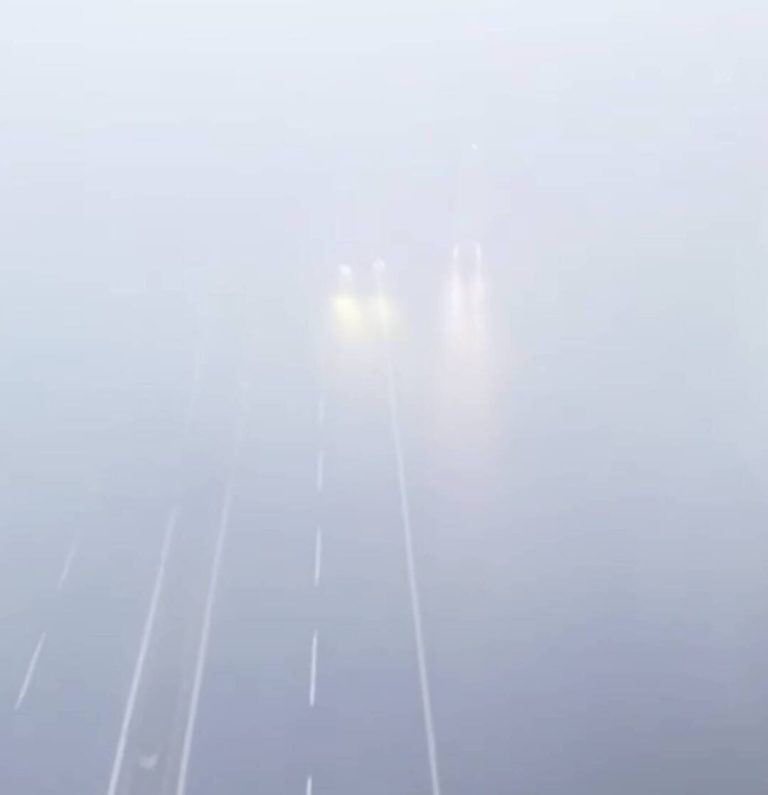
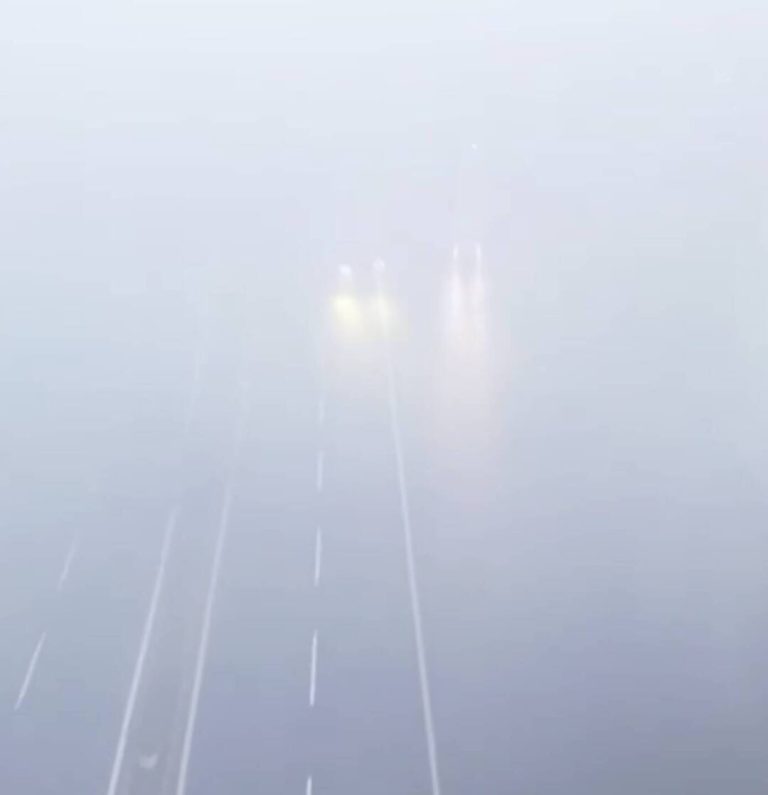
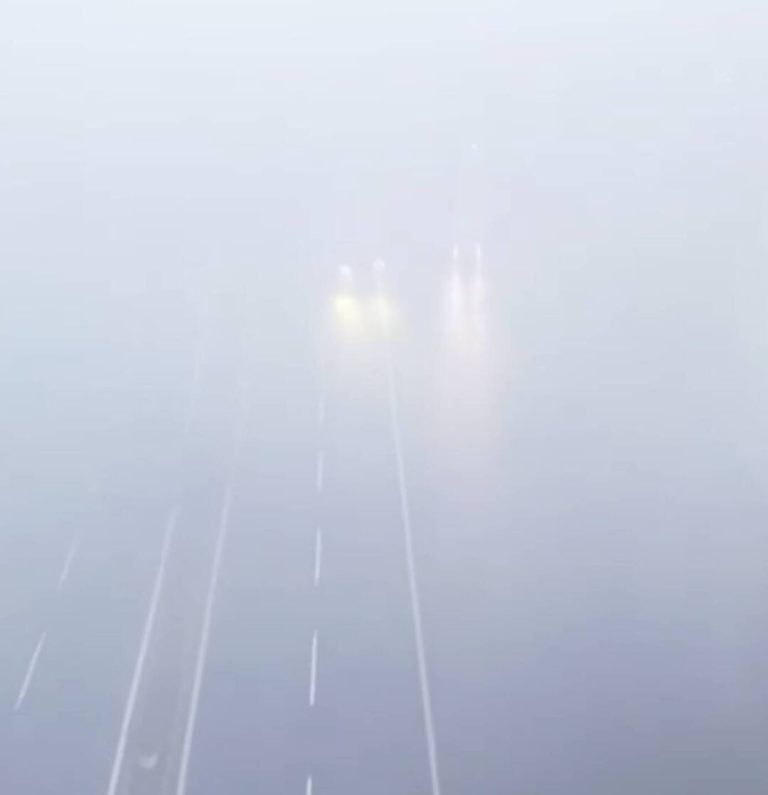
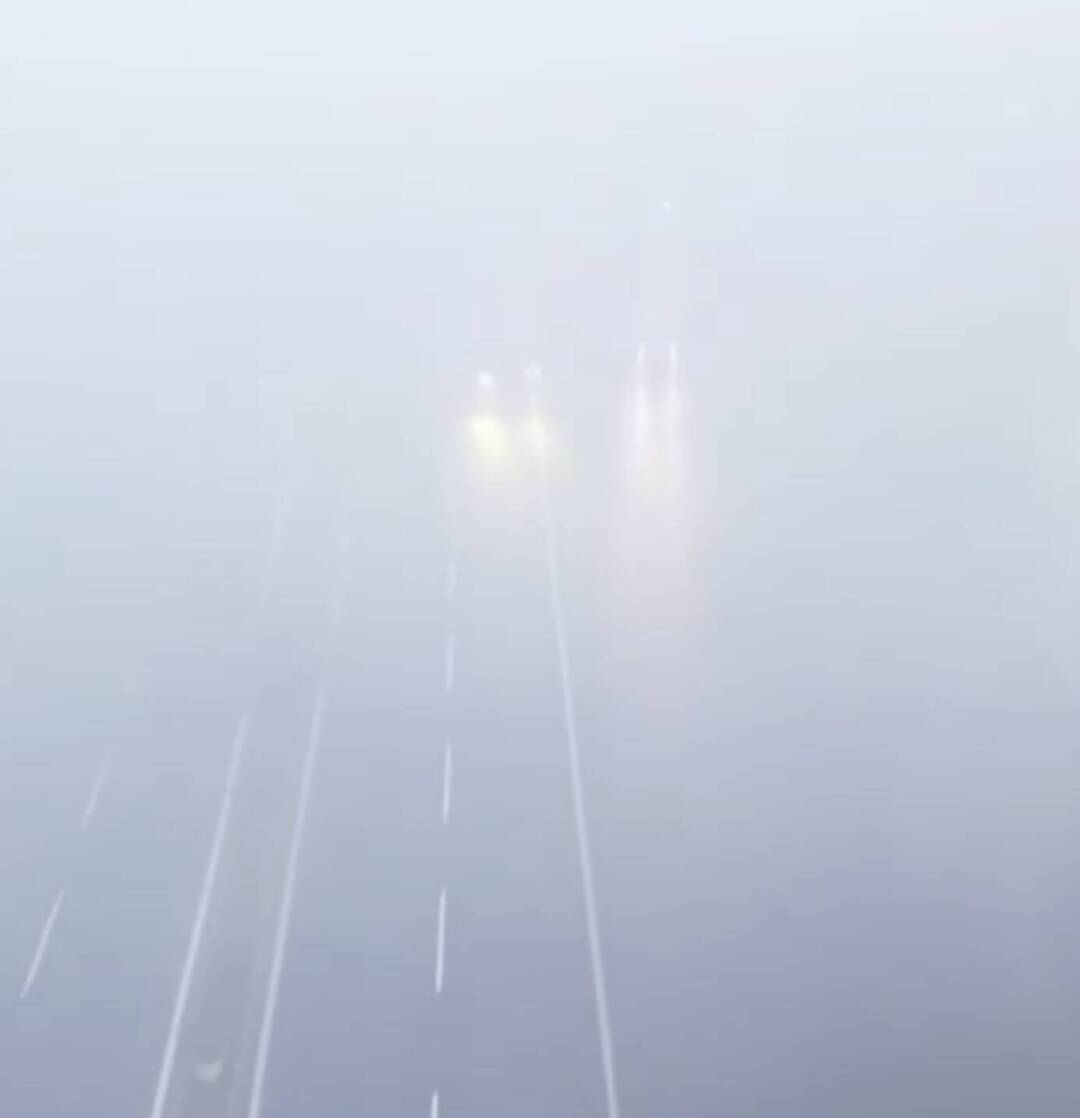
A thick layer of smog engulfed Delhi and neighbouring areas on Sunday morning, affecting train and flight services. The dense fog reduced visibility to almost zero, causing disruptions in transportation and daily life. According to the India Meteorological Department (IMD), visibility was recorded at zero at Safdarjung station in Delhi, highlighting the severity of the situation. Meanwhile, air quality also deteriorated to the severe category, with Anand Vihar station recording an Air Quality Index (AQI) of 491 at 8 am.
The sudden deterioration in air quality and visibility has raised concerns among residents, who are already struggling to cope with the poor air quality in the national capital. The situation has been exacerbated by the stubble burning in neighboring states, which has led to a significant increase in particulate matter in the air. The Delhi government has been forced to reimpose restrictions under the Graded Response Action Plan (GRAP-IV) to mitigate the effects of the severe air pollution.
The GRAP-IV restrictions include a ban on non-essential construction activities, closure of schools and colleges, and a restriction on the use of diesel generators. The government has also advised residents to avoid outdoor activities, especially during peak pollution hours. However, the effectiveness of these measures remains to be seen, as the air quality continues to deteriorate.
The smog has also affected train and flight services, with several trains and flights being delayed or cancelled due to poor visibility. The Railways has announced that several trains have been delayed or rescheduled due to the dense fog, causing inconvenience to passengers. Similarly, flight operations have also been affected, with several flights being delayed or cancelled due to poor visibility.
The air quality in Delhi has been a major concern for several years, with the city consistently ranking among the most polluted cities in the world. The situation is exacerbated during the winter months, when the temperature and humidity levels are low, and the wind speed is slow. The stubble burning in neighboring states, which is a common practice among farmers, has also contributed to the poor air quality in Delhi.
The Delhi government has been trying to address the issue of air pollution, with several measures being implemented to reduce the levels of particulate matter in the air. These measures include the introduction of odd-even vehicular restrictions, the closure of polluting industries, and the implementation of a ban on firecrackers during Diwali. However, the effectiveness of these measures has been limited, and the air quality continues to deteriorate.
The current situation highlights the need for a more comprehensive and coordinated approach to address the issue of air pollution in Delhi. The government needs to work with neighboring states to prevent stubble burning, and implement more effective measures to reduce particulate matter in the air. The residents also need to take responsibility and adopt environmentally friendly practices to reduce their contribution to air pollution.
In conclusion, the dense smog that has engulfed Delhi and neighboring areas has pushed visibility to zero and deteriorated air quality to severe levels. The situation is a cause for concern, and the government needs to take immediate and effective measures to mitigate the effects of air pollution. The residents also need to take responsibility and adopt environmentally friendly practices to reduce their contribution to air pollution. The need of the hour is a comprehensive and coordinated approach to address the issue of air pollution, which requires the involvement of all stakeholders, including the government, residents, and neighboring states.
Source: https://x.com/ANI/status/2012709713537053081
About the Author