Dense Smog Pushes Visibility to Zero in Delhi, Air Quality Also Deteriorates to Severe
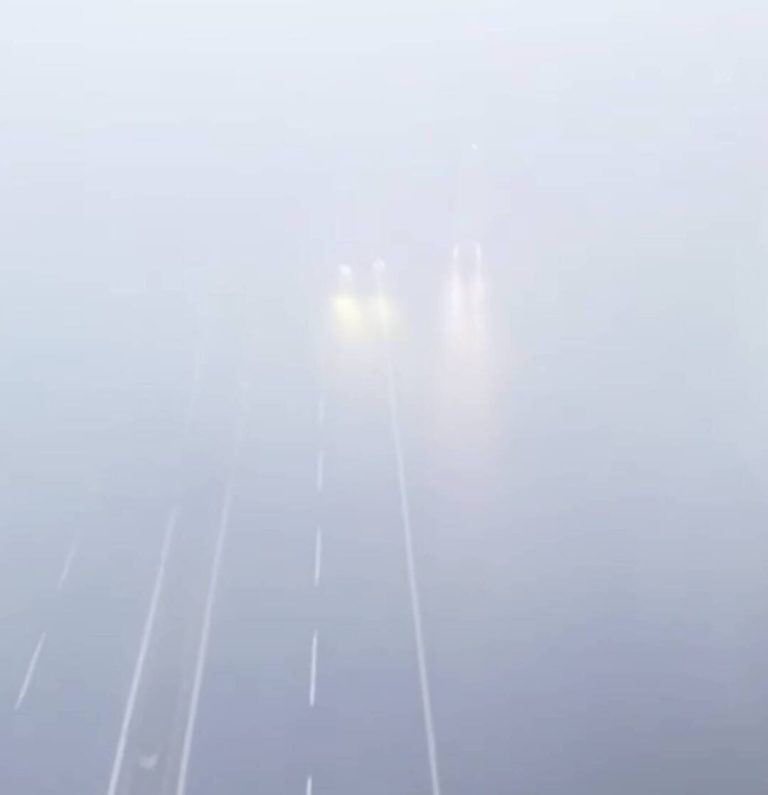
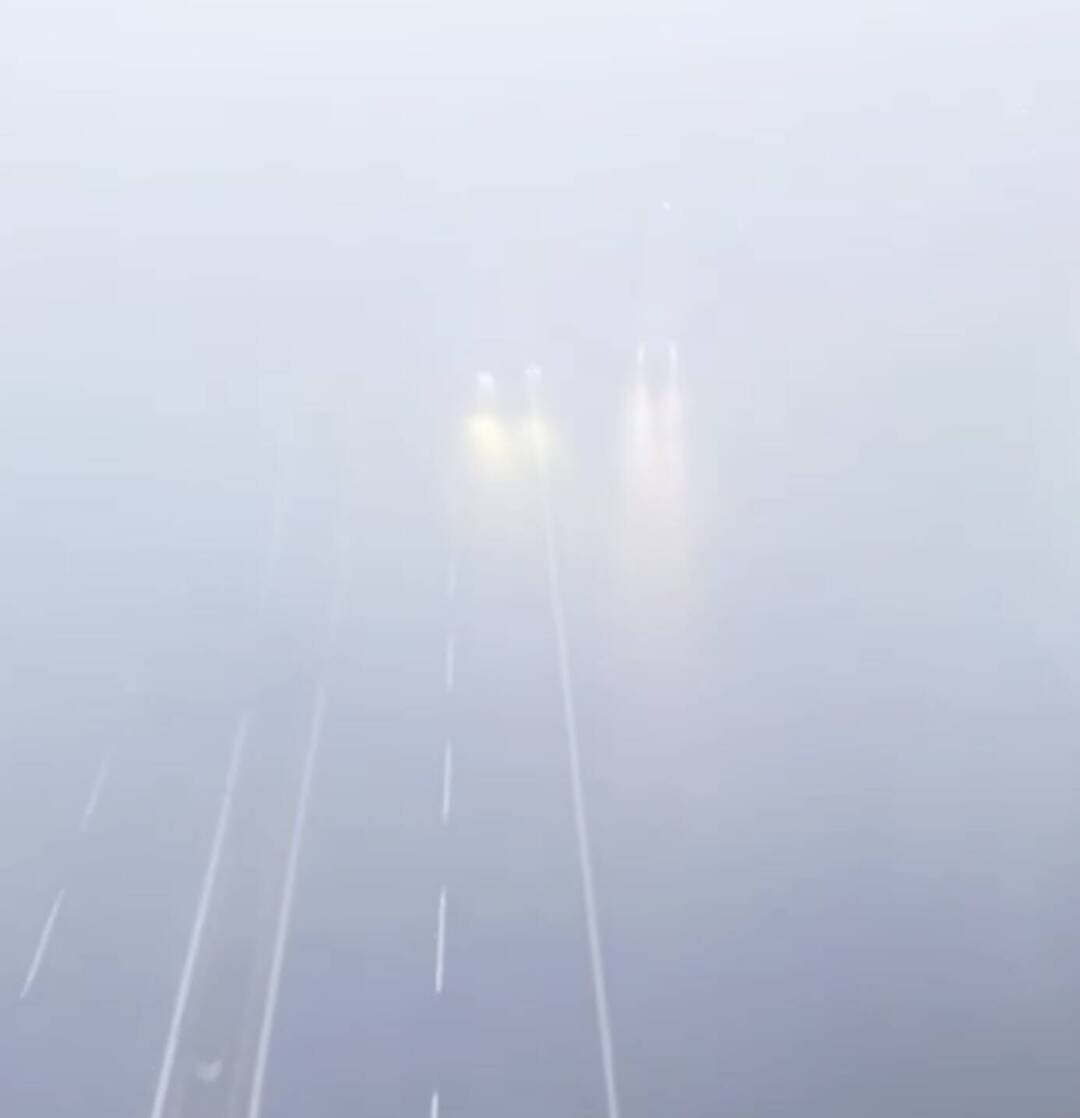
The national capital, Delhi, woke up to a thick layer of smog on Sunday morning, reducing visibility to almost zero. The dense fog, which engulfed not only Delhi but also its neighboring areas, had a significant impact on the daily commute, affecting train and flight services. The situation was so severe that the India Meteorological Department (IMD) recorded visibility at zero at the Safdarjung station in Delhi.
As the day progressed, the air quality in Delhi also took a turn for the worse, deteriorating to the severe category. According to the data available, the Anand Vihar station recorded an Air Quality Index (AQI) of 491 at 8 am, which is considered extremely hazardous to health. The severe air quality has raised concerns among the citizens, especially those with respiratory issues, as it can exacerbate their condition.
The poor visibility and air quality have been attributed to the combination of pollution and weather conditions. The low temperature and high humidity levels have trapped the pollutants in the air, making it difficult for them to disperse. This has resulted in a thick layer of smog that has reduced visibility and made breathing difficult for the citizens.
The situation has become so severe that the authorities have been forced to reimpose restrictions under the Graded Response Action Plan (GRAP-IV). The GRAP is a set of measures that are implemented to mitigate the effects of air pollution in the National Capital Region (NCR). The plan is divided into four stages, with each stage representing a different level of pollution. The restrictions under GRAP-IV are the most stringent and are implemented when the AQI exceeds 450.
The restrictions include a ban on the entry of trucks into Delhi, except for those carrying essential commodities. The authorities have also ordered the closure of all construction activities, except for those that are essential. Additionally, the government has advised people to avoid outdoor activities, especially during the peak pollution hours.
The poor air quality and visibility have also had a significant impact on the transportation services in Delhi. Several flights have been delayed or cancelled due to the low visibility, causing inconvenience to passengers. The train services have also been affected, with several trains running behind schedule.
The citizens of Delhi have taken to social media to express their concerns and frustrations about the poor air quality and visibility. Many have posted pictures and videos of the smog, highlighting the severity of the situation. The hashtags #DelhiSmog and #AirPollution have been trending on Twitter, with people demanding action from the authorities to mitigate the situation.
The Delhi government has announced several measures to tackle the situation, including the distribution of masks to school children and the deployment of water sprinklers to reduce dust pollution. However, the citizens are demanding more concrete actions to address the root cause of the problem.
The situation in Delhi is a wake-up call for the authorities to take immediate and concrete actions to address the issue of air pollution. The city’s poor air quality is not only a health hazard but also a threat to the economy and the environment. The authorities must work towards implementing long-term solutions, such as increasing the use of public transport, promoting the use of clean energy, and implementing stricter pollution control measures.
In conclusion, the dense smog that has engulfed Delhi has pushed visibility to zero and deteriorated the air quality to severe levels. The situation is a cause for concern, and the authorities must take immediate action to mitigate the effects of air pollution. The citizens of Delhi deserve to breathe clean air, and it is the responsibility of the government to ensure that the city’s air quality is improved.
Source: https://x.com/ANI/status/2012709713537053081
About the Author