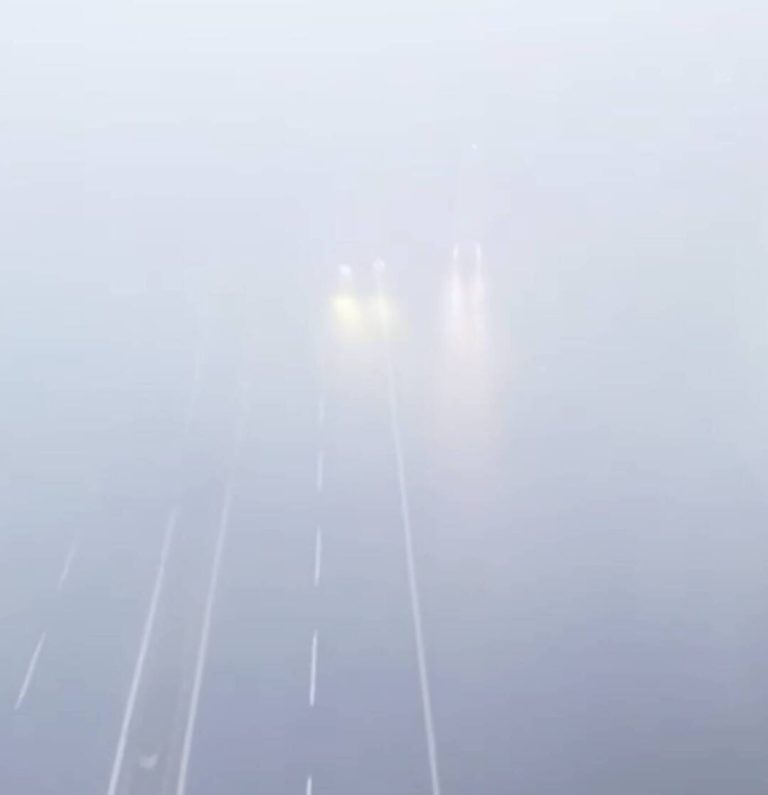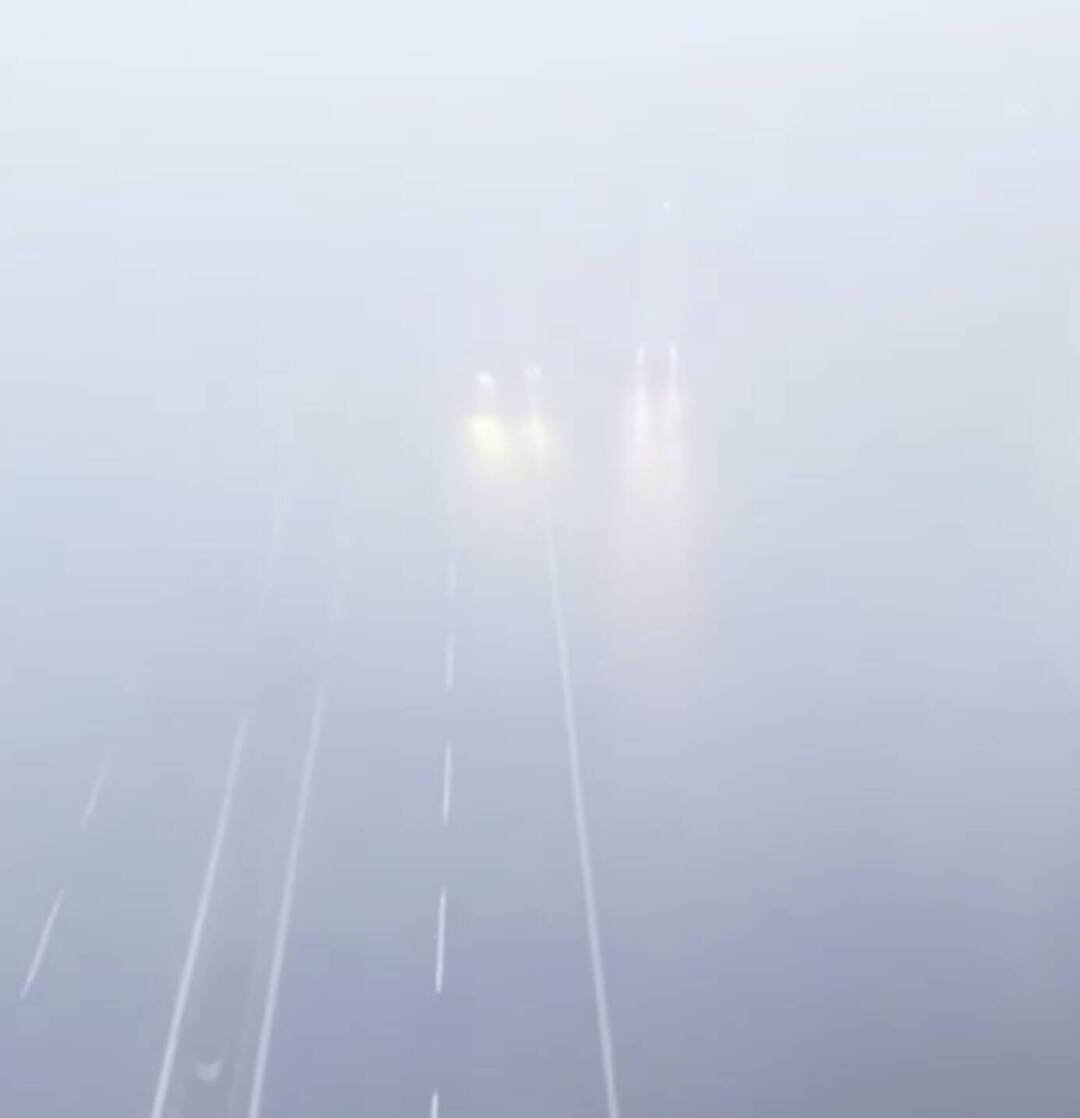
Dense Smog Pushes Visibility to Zero in Delhi, Air Quality Also Deteriorates to Severe
Delhi, the capital city of India, woke up to a thick layer of smog on Sunday morning, reducing visibility to almost zero. The dense fog engulfed not only Delhi but also its neighboring areas, causing disruptions in train and flight services. The Indian Meteorological Department (IMD) recorded a visibility of zero at the Safdarjung station in Delhi, highlighting the severity of the situation.
The smog, which is a mixture of smoke and fog, is a common phenomenon in Delhi during the winter months. However, this year it has been particularly severe, with the air quality deteriorating to the severe category. According to the data from the Central Pollution Control Board (CPCB), the Air Quality Index (AQI) at Anand Vihar station in Delhi was recorded at 491 at 8 am, which is considered severe.
The severe air quality has prompted the authorities to reimpose restrictions under the Graded Response Action Plan (GRAP-IV). The plan, which was implemented in 2017, is a set of measures to tackle air pollution in the National Capital Region (NCR). The restrictions include a ban on construction activities, closure of schools, and restrictions on the use of private vehicles.
The dense smog has also affected train services, with several trains being delayed or cancelled. The Northern Railway has issued a statement saying that the trains are being delayed due to poor visibility. Similarly, flight services have also been affected, with several flights being delayed or diverted.
The residents of Delhi are facing a tough time due to the severe air pollution. Many people are complaining of respiratory problems, and the sale of air purifiers and masks has increased significantly. The authorities have also set up medical camps to provide assistance to people affected by the pollution.
The main reason for the severe air pollution in Delhi is the burning of crop residue in the neighboring states of Punjab and Haryana. The farmers in these states burn the residue to clear their fields, which releases large amounts of pollutants into the air. The pollutants then travel to Delhi, contributing to the severe air pollution.
The government has taken several measures to tackle the problem of air pollution in Delhi. These include the implementation of the GRAP, the promotion of the use of clean fuels, and the creation of a network of air quality monitoring stations. However, despite these efforts, the air pollution in Delhi remains a major concern.
The long-term exposure to air pollution can have serious health consequences, including respiratory problems, cardiovascular disease, and even cancer. The World Health Organization (WHO) has set a guideline for the maximum allowable concentration of pollutants in the air, and Delhi’s air quality is far exceeding these limits.
In recent years, there has been a growing awareness about the importance of clean air and the need to take action to reduce air pollution. The government, civil society, and individuals all have a role to play in tackling this problem. This includes taking measures to reduce emissions from vehicles, promoting the use of clean fuels, and reducing waste.
In conclusion, the dense smog that has engulfed Delhi and its neighboring areas is a serious concern. The severe air pollution is not only affecting the health of the residents but also disrupting train and flight services. The authorities must take urgent action to tackle the problem, including the implementation of the GRAP and the promotion of the use of clean fuels. The residents of Delhi must also take steps to protect themselves from the pollution, including wearing masks and using air purifiers.
News Source: https://x.com/ANI/status/2012709713537053081
About the Author