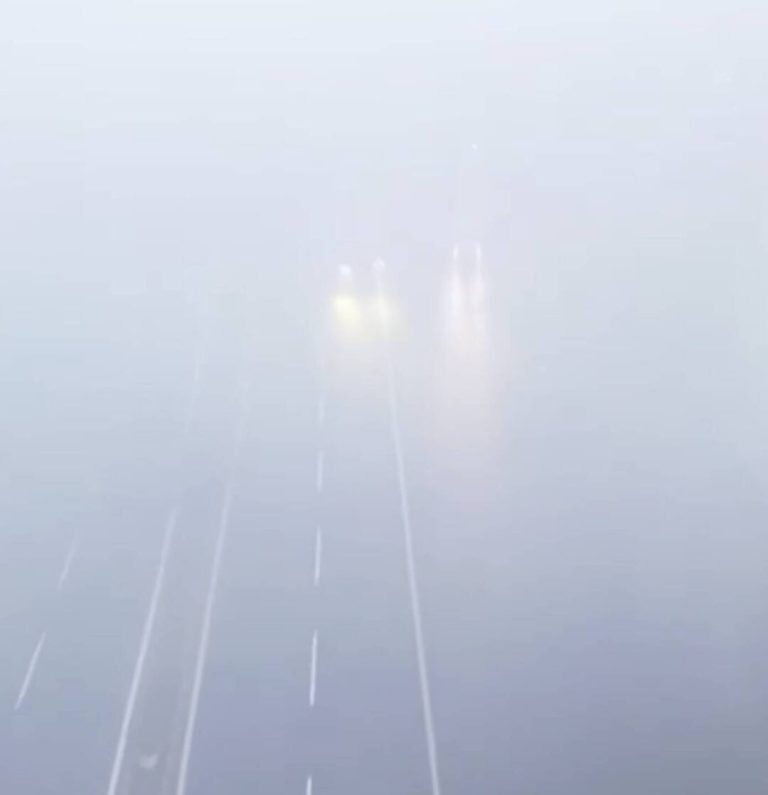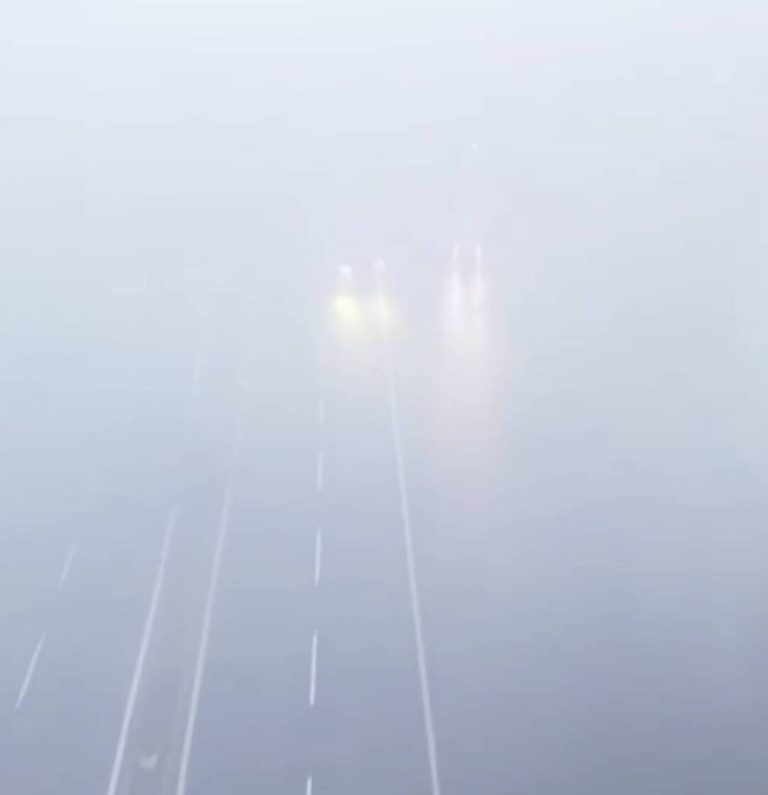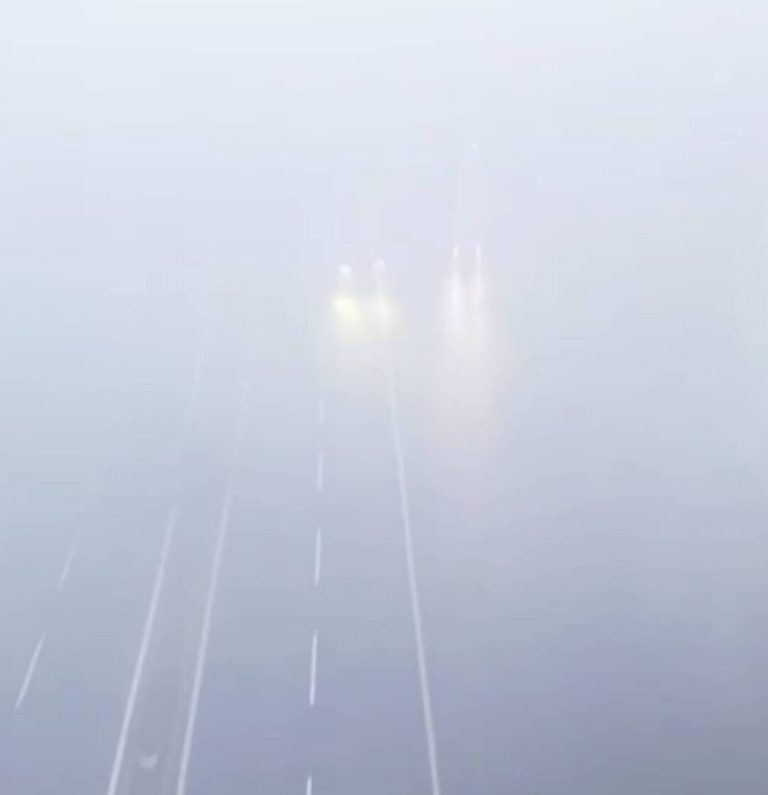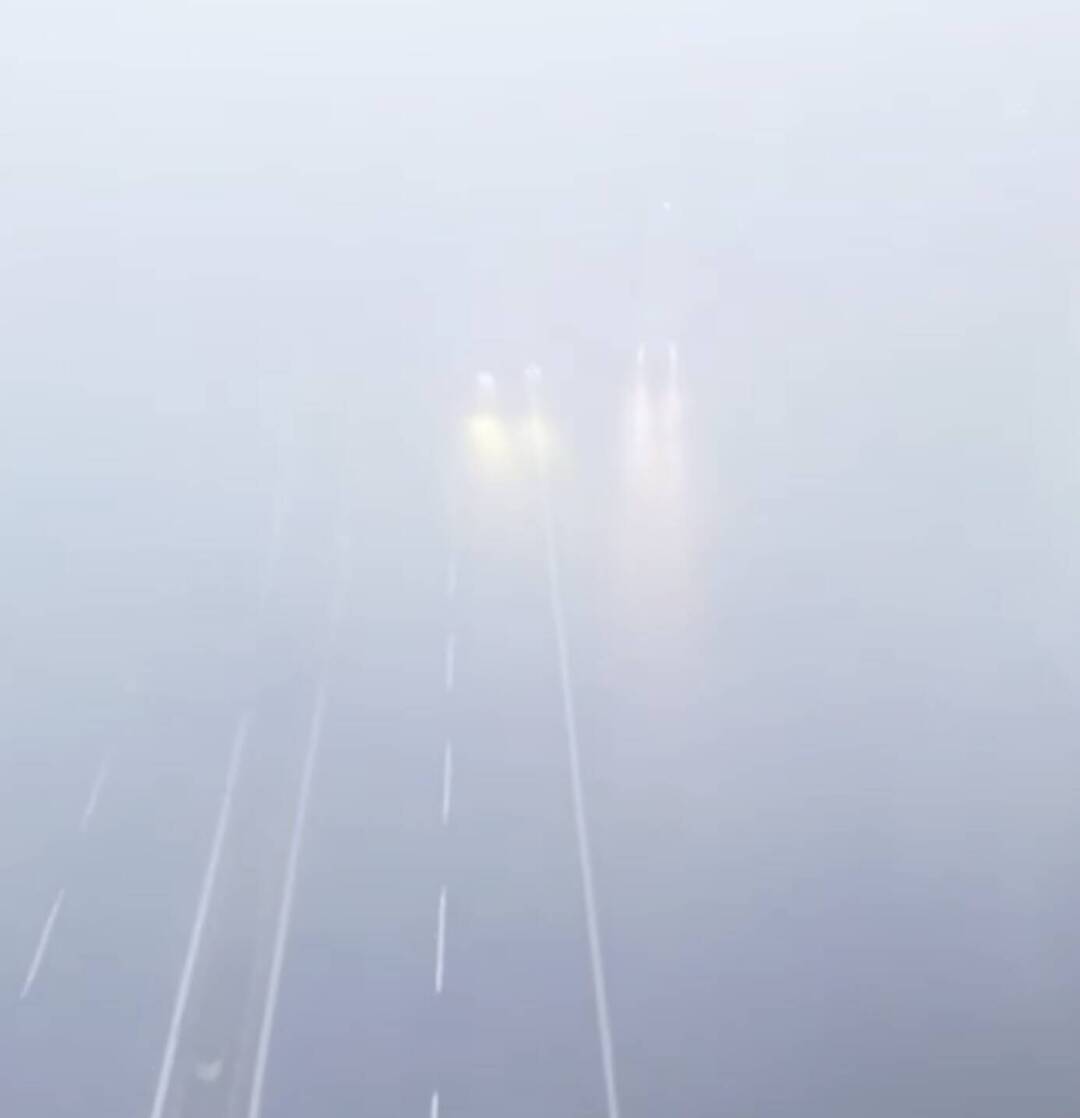
Dense smog pushes visibility to zero in Delhi, air quality also deteriorates to severe
A thick layer of smog engulfed Delhi and neighbouring areas on Sunday morning, affecting train and flight services. The dense fog, which is a recurring problem in the region during the winter months, reduced visibility to almost zero, causing disruptions to daily life. According to the India Meteorological Department (IMD), visibility was recorded at zero at Safdarjung station in Delhi, highlighting the severity of the situation.
The smog not only affected visibility but also had a significant impact on air quality. The air quality in Delhi deteriorated to the severe category, with the Anand Vihar station recording an Air Quality Index (AQI) of 491 at 8 am. This is a serious concern, as prolonged exposure to such poor air quality can have severe health implications, particularly for vulnerable populations such as children, the elderly, and those with pre-existing respiratory conditions.
The deteriorating air quality and reduced visibility have led to restrictions under the Graded Response Action Plan (GRAP-IV) being reimposed in the region. GRAP is a set of measures implemented by the government to mitigate the effects of air pollution in Delhi and surrounding areas. The plan involves a series of steps, including restrictions on construction activities, closure of schools, and limitations on the use of private vehicles, among others.
The dense smog and poor air quality have also affected train and flight services, with several trains and flights being delayed or cancelled due to low visibility. This has caused inconvenience to passengers, who are already facing disruptions due to the fog. The situation is likely to worsen in the coming days, with the meteorological department predicting continued foggy conditions.
The causes of the dense smog in Delhi are multifaceted. One of the primary reasons is the burning of crop residue by farmers in neighbouring states, which releases large amounts of pollutants into the atmosphere. Other factors, such as vehicular emissions, industrial pollution, and construction activities, also contribute to the poor air quality.
To address the issue, the government has implemented various measures, including the ban on crop burning, restrictions on construction activities, and the promotion of cleaner fuels. However, more needs to be done to tackle the problem effectively. This includes increasing public awareness about the importance of air quality, implementing stricter emission norms, and investing in cleaner technologies.
In addition to the government’s efforts, individuals can also play a crucial role in reducing air pollution. Simple actions, such as using public transport, carpooling, or using cleaner fuels, can make a significant difference. Moreover, reducing energy consumption, using air purifiers, and avoiding outdoor activities during peak pollution hours can help minimize exposure to poor air quality.
The situation in Delhi highlights the need for a comprehensive and sustained approach to addressing air pollution. This requires a collaborative effort from the government, industries, and individuals to reduce emissions, promote cleaner technologies, and increase public awareness. Only through such a collective effort can we hope to mitigate the effects of air pollution and improve the quality of life for residents in Delhi and surrounding areas.
In conclusion, the dense smog and poor air quality in Delhi are serious concerns that require immediate attention. The government’s implementation of restrictions under GRAP-IV is a step in the right direction, but more needs to be done to address the root causes of the problem. By working together, we can reduce air pollution, improve air quality, and create a healthier environment for all.
Source: https://x.com/ANI/status/2012709713537053081
About the Author