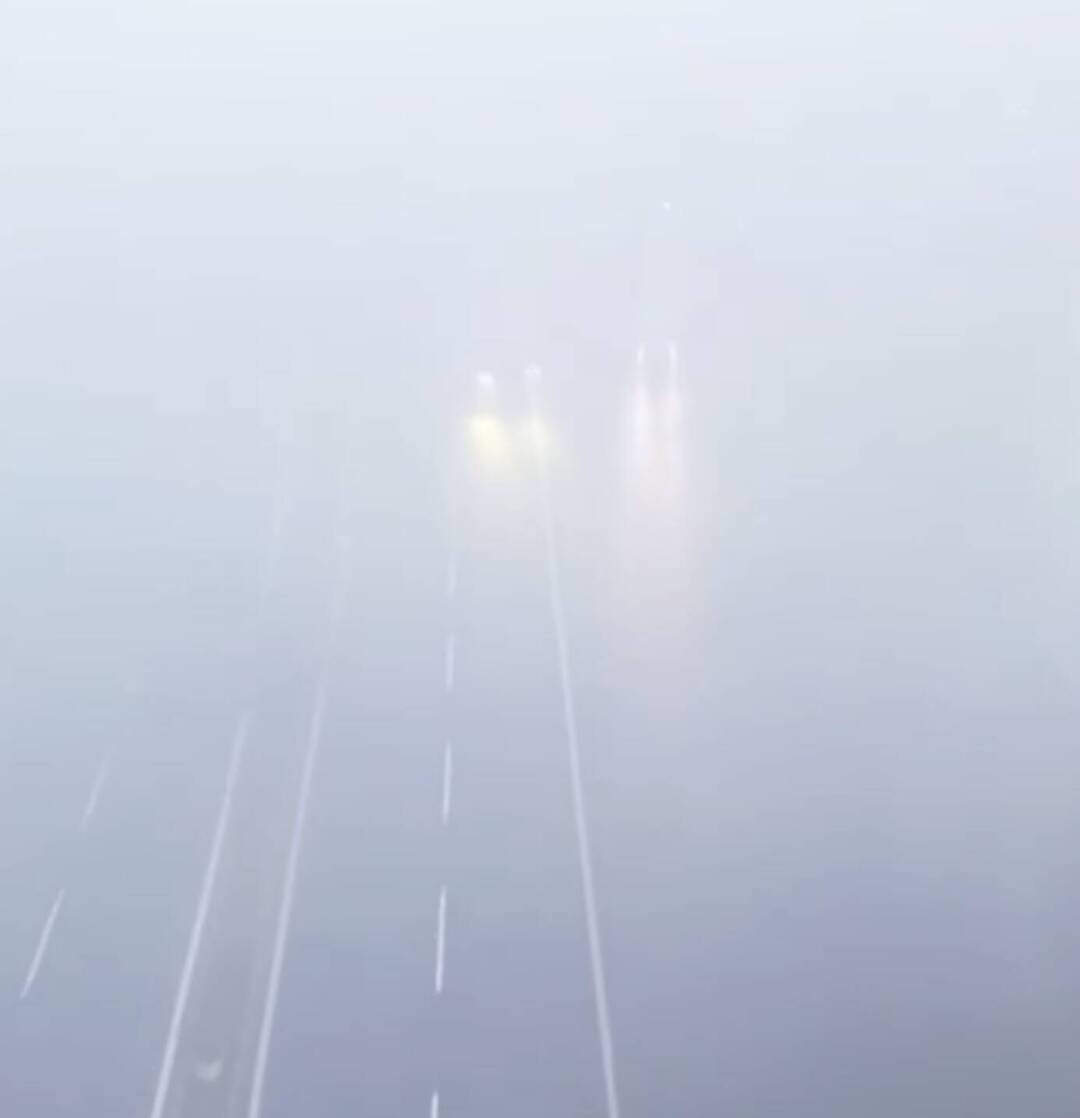
Dense Smog Pushes Visibility to Zero in Delhi, Air Quality Also Deteriorates to Severe
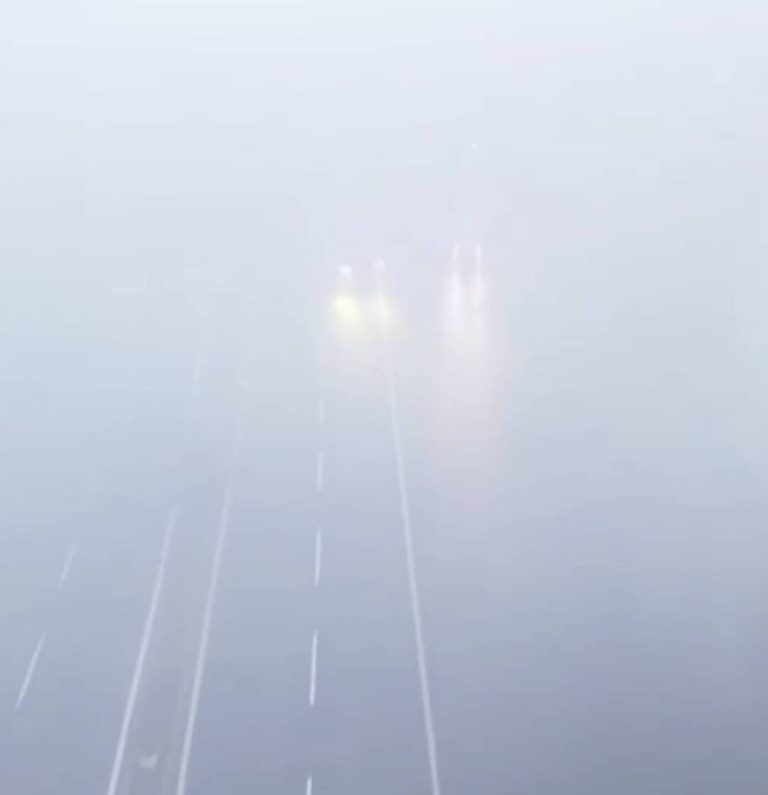
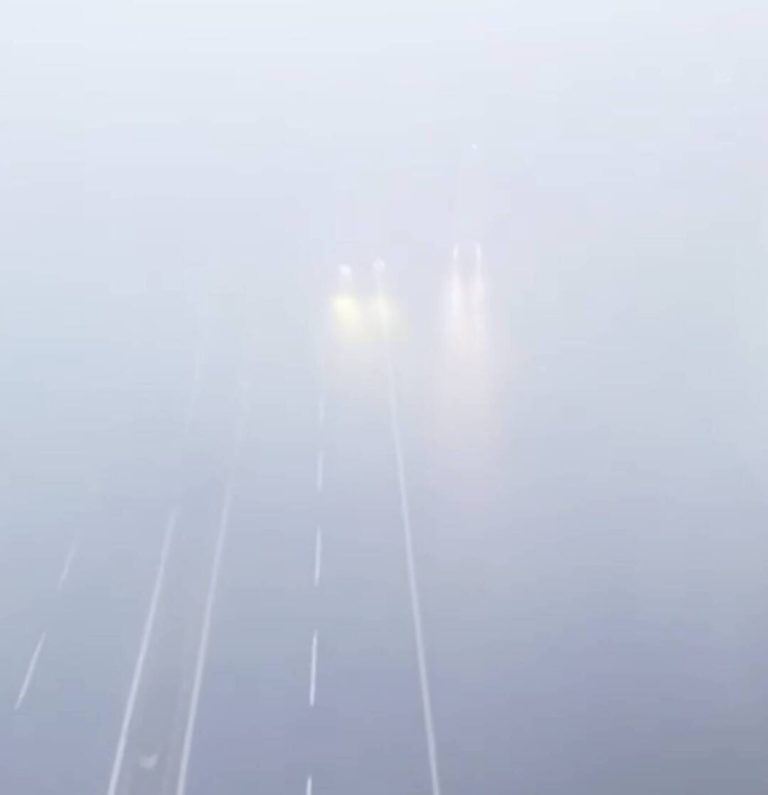
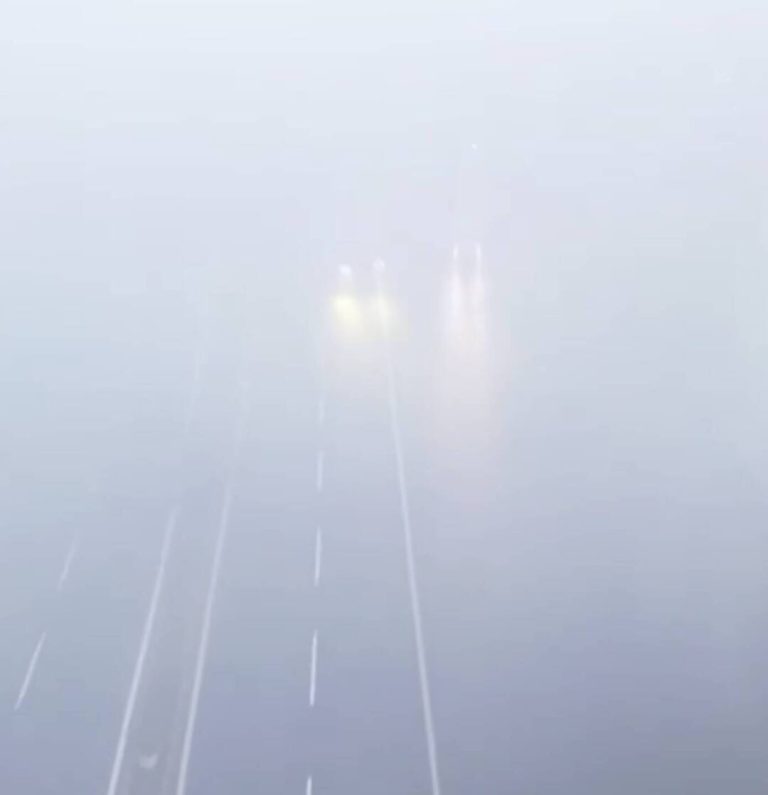
The national capital, Delhi, woke up to a thick layer of smog on Sunday morning, reducing visibility to zero and causing disruptions in train and flight services. The Indian Meteorological Department (IMD) recorded zero visibility at the Safdarjung station in Delhi, highlighting the severity of the situation. To make matters worse, the air quality in the city also deteriorated to the severe category, with the Anand Vihar station recording an Air Quality Index (AQI) of 491 at 8 am.
The dense smog, which is a mixture of smoke and fog, has been attributed to the high levels of air pollution in the city. The smoke from stubble burning in neighboring states, combined with the fog, has created a toxic cocktail that is not only reducing visibility but also posing serious health risks to the residents of Delhi. The situation is so severe that the Delhi government has been forced to reimpose restrictions under the Graded Response Action Plan (GRAP-IV) to mitigate the effects of the pollution.
The GRAP-IV restrictions include a ban on non-essential construction activities, closure of stone crushers and hot mix plants, and a restriction on the entry of trucks into the city. The government has also advised people to avoid outdoor activities, especially during peak pollution hours, and to wear masks when venturing out. However, despite these measures, the situation remains grim, and the residents of Delhi are bearing the brunt of the pollution.
The impact of the smog on transportation services has been significant, with several flights and trains delayed or cancelled due to poor visibility. The Indira Gandhi International Airport has been particularly affected, with many flights delayed or diverted to other airports. The railway services have also been disrupted, with several trains running behind schedule.
The air quality in Delhi has been a major concern for several years now, with the city consistently ranking among the most polluted cities in the world. The situation worsens during the winter months, when the cold weather and fog combine to trap the pollutants in the air. The Delhi government has been trying to address the issue, but the problem is complex and requires a multi-faceted approach.
One of the main reasons for the poor air quality in Delhi is the large amount of particulate matter (PM) in the air. PM is made up of tiny particles that can be inhaled deep into the lungs, causing serious health problems. The main sources of PM in Delhi are vehicular emissions, industrial activities, and construction work. The city’s geography, with the Himalayas to the north and the Thar Desert to the west, also contributes to the problem, as it creates a bowl-like effect that traps the pollutants in the air.
To address the issue, the Delhi government has been implementing various measures, including the odd-even scheme, which restricts the movement of vehicles based on their license plate numbers. The government has also been promoting the use of public transport, cycling, and walking, and has invested in improving the city’s infrastructure, including the construction of new metro lines and bus lanes.
However, despite these efforts, the air quality in Delhi remains a major concern. The city needs a more comprehensive and sustained approach to address the issue, including stricter regulations on industrial activities, a ban on stubble burning, and a significant increase in the use of clean energy sources. The government also needs to work with neighboring states to address the issue of pollution, as the problem is not limited to Delhi alone.
In conclusion, the dense smog that has engulfed Delhi is a serious concern that requires immediate attention. The government needs to take urgent action to mitigate the effects of the pollution and to prevent such situations from arising in the future. The residents of Delhi also need to play their part, by adopting environmentally friendly practices and supporting the government’s efforts to address the issue. Only a collective effort can help to improve the air quality in Delhi and to make the city a healthier and more livable place.
News Source: https://x.com/ANI/status/2012709713537053081
About the Author