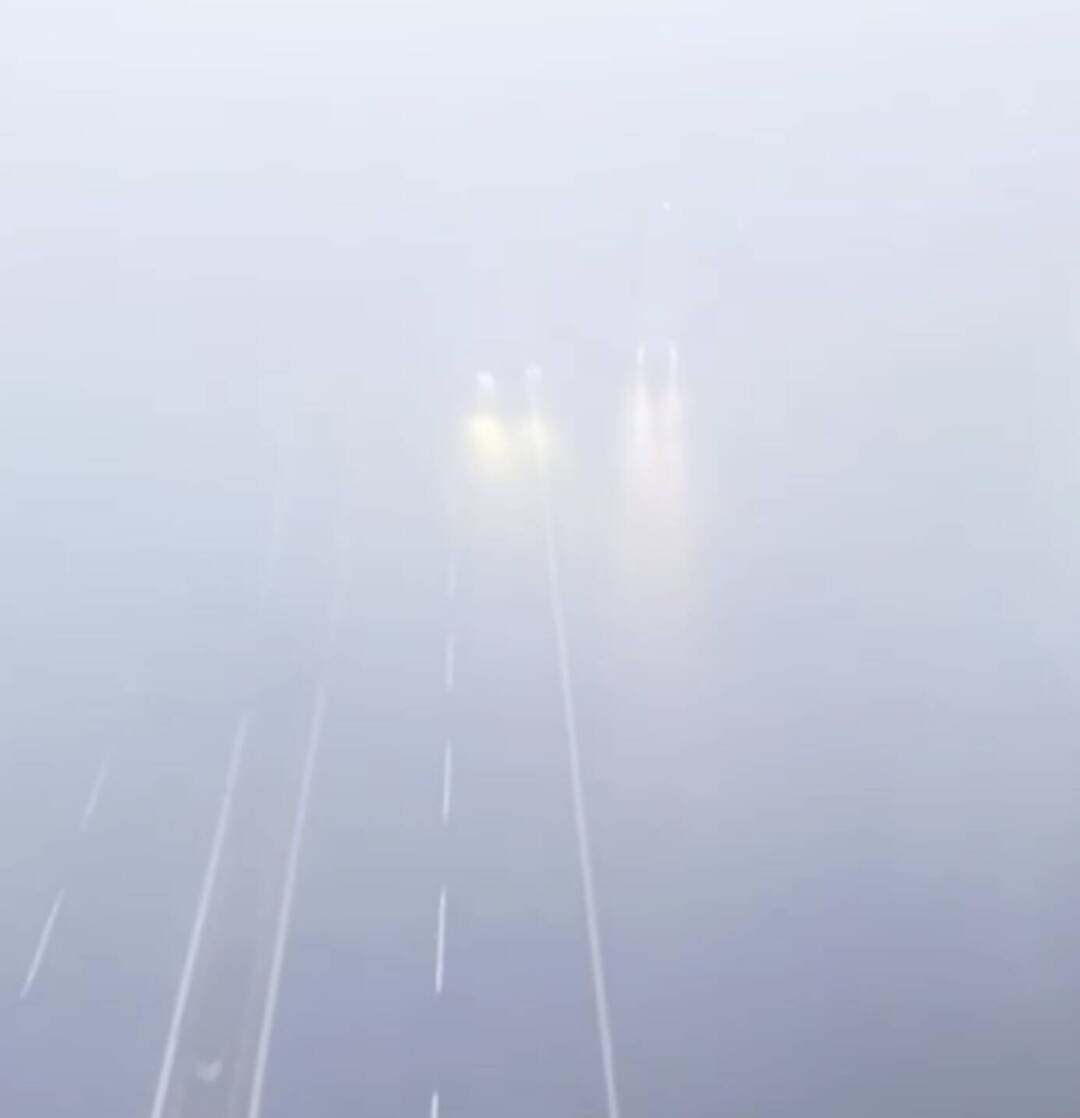
Dense smog pushes visibility to zero in Delhi, air quality also deteriorates to severe
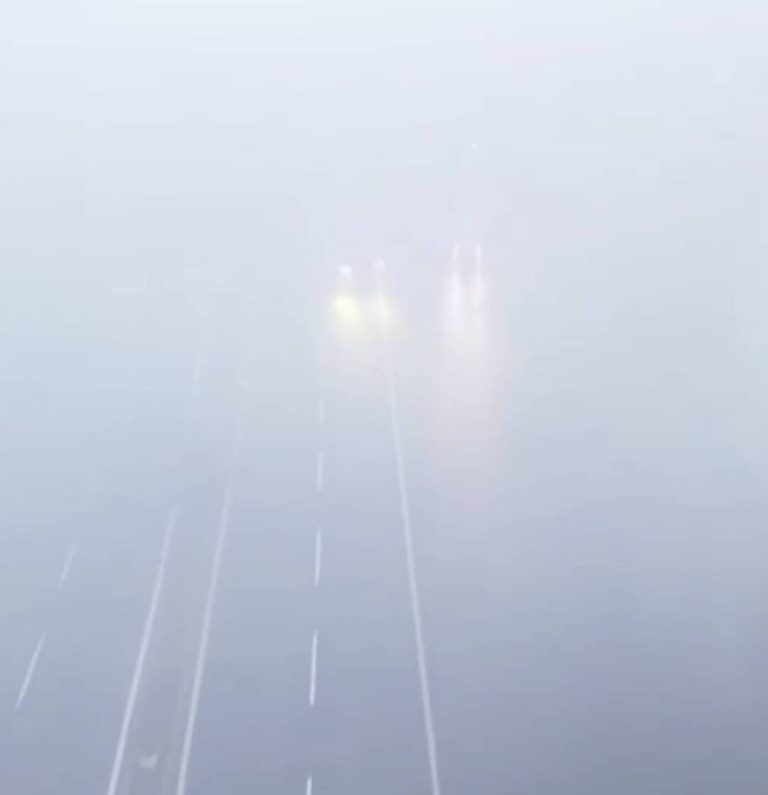
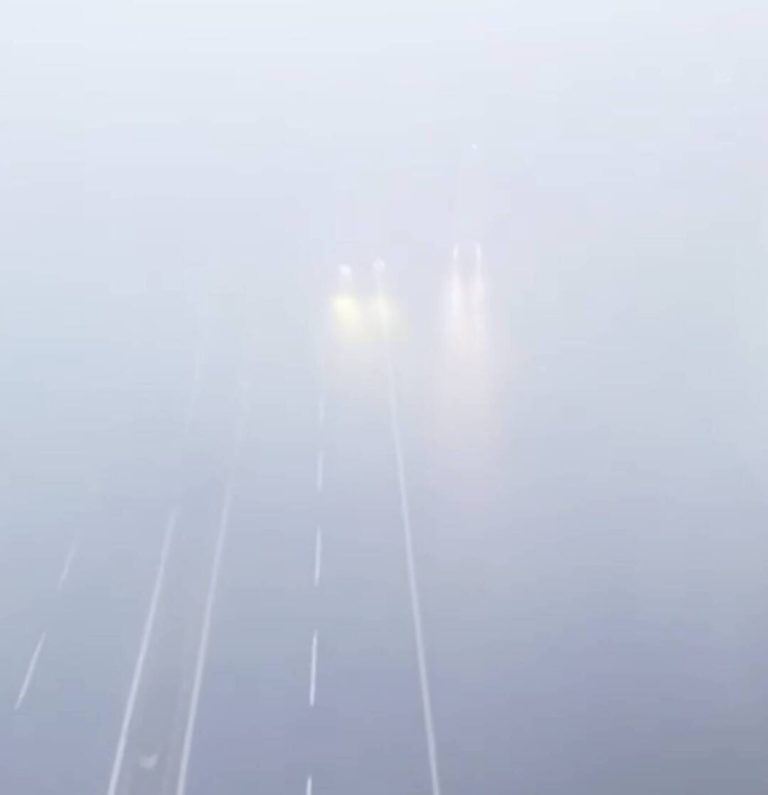
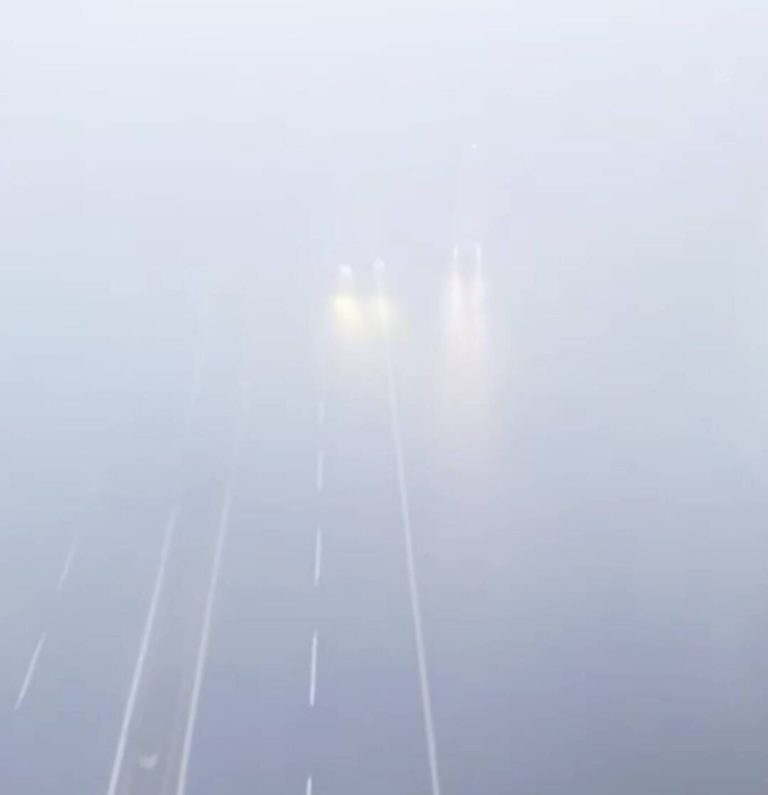
A thick layer of smog engulfed Delhi and neighbouring areas on Sunday morning, affecting train and flight services. The dense fog, which reduced visibility to almost zero, caused significant disruptions to daily life in the national capital. According to the India Meteorological Department (IMD), visibility was recorded at zero at Safdarjung station in Delhi, making it one of the worst mornings in recent times.
The situation was exacerbated by the deteriorating air quality, which slipped into the severe category. Anand Vihar station recorded an Air Quality Index (AQI) of 491 at 8 am, indicating extremely poor air quality. The AQI is a measure of the level of pollutants in the air, and a reading above 400 is considered severe. The poor air quality and low visibility have raised serious health concerns, with residents advised to take precautions to minimize their exposure to the polluted air.
The smog and poor air quality have been attributed to a combination of factors, including stubble burning in neighbouring states, vehicular emissions, and industrial pollution. The situation is further complicated by the weather conditions, with a lack of wind and low temperatures contributing to the accumulation of pollutants in the air. The authorities have been criticized for their handling of the situation, with many arguing that more needs to be done to address the root causes of the problem.
The disruptions caused by the smog were felt across the city, with many flights and trains delayed or cancelled. The Indira Gandhi International Airport reported several flight delays, while the railways announced that several trains had been rescheduled or cancelled due to poor visibility. The smog also affected road traffic, with many commuters facing long delays and hazardous driving conditions.
In response to the deteriorating air quality, the authorities have reimposed restrictions under the Graded Response Action Plan (GRAP-IV). The plan, which was implemented in 2017, involves a series of measures to reduce pollution levels, including restrictions on construction activities, industrial operations, and vehicular emissions. The restrictions are aimed at reducing the levels of particulate matter (PM) 2.5 and PM 10 in the air, which are considered to be major contributors to air pollution.
The GRAP-IV restrictions include a ban on construction activities, except for essential projects, and a restriction on the use of diesel generators. The plan also involves an increase in the frequency of metro and bus services, as well as a reduction in the number of private vehicles on the road. The authorities have also been instructed to sprinkle water on roads to reduce dust pollution and to ensure that all polluting industries are closed.
The situation in Delhi is a stark reminder of the need for urgent action to address the issue of air pollution. The city has been ranked as one of the most polluted in the world, and the situation is only expected to worsen unless drastic measures are taken. The authorities must take a comprehensive approach to addressing the problem, involving all stakeholders and implementing a range of measures to reduce pollution levels.
In the short term, the authorities must focus on implementing the GRAP-IV restrictions and ensuring that all polluting activities are brought under control. This includes enforcing restrictions on construction activities, industrial operations, and vehicular emissions, as well as increasing the frequency of public transport services. The authorities must also work to raise awareness about the issue of air pollution and the need for individual action to reduce pollution levels.
In the long term, the authorities must work to address the root causes of the problem, including stubble burning, vehicular emissions, and industrial pollution. This involves implementing policies and programmes to promote sustainable agriculture practices, increase the use of clean fuels, and reduce industrial emissions. The authorities must also work to improve the city’s infrastructure, including the public transport system, to reduce the reliance on private vehicles and promote more sustainable modes of transport.
In conclusion, the dense smog that engulfed Delhi on Sunday morning is a stark reminder of the need for urgent action to address the issue of air pollution. The situation is a public health emergency, and the authorities must take immediate action to reduce pollution levels and protect the health and well-being of residents. The implementation of the GRAP-IV restrictions is a step in the right direction, but more needs to be done to address the root causes of the problem. The authorities must work to promote sustainable practices, reduce pollution levels, and improve the city’s infrastructure to create a healthier and more sustainable environment for all.
News source: https://x.com/ANI/status/2012709713537053081
About the Author