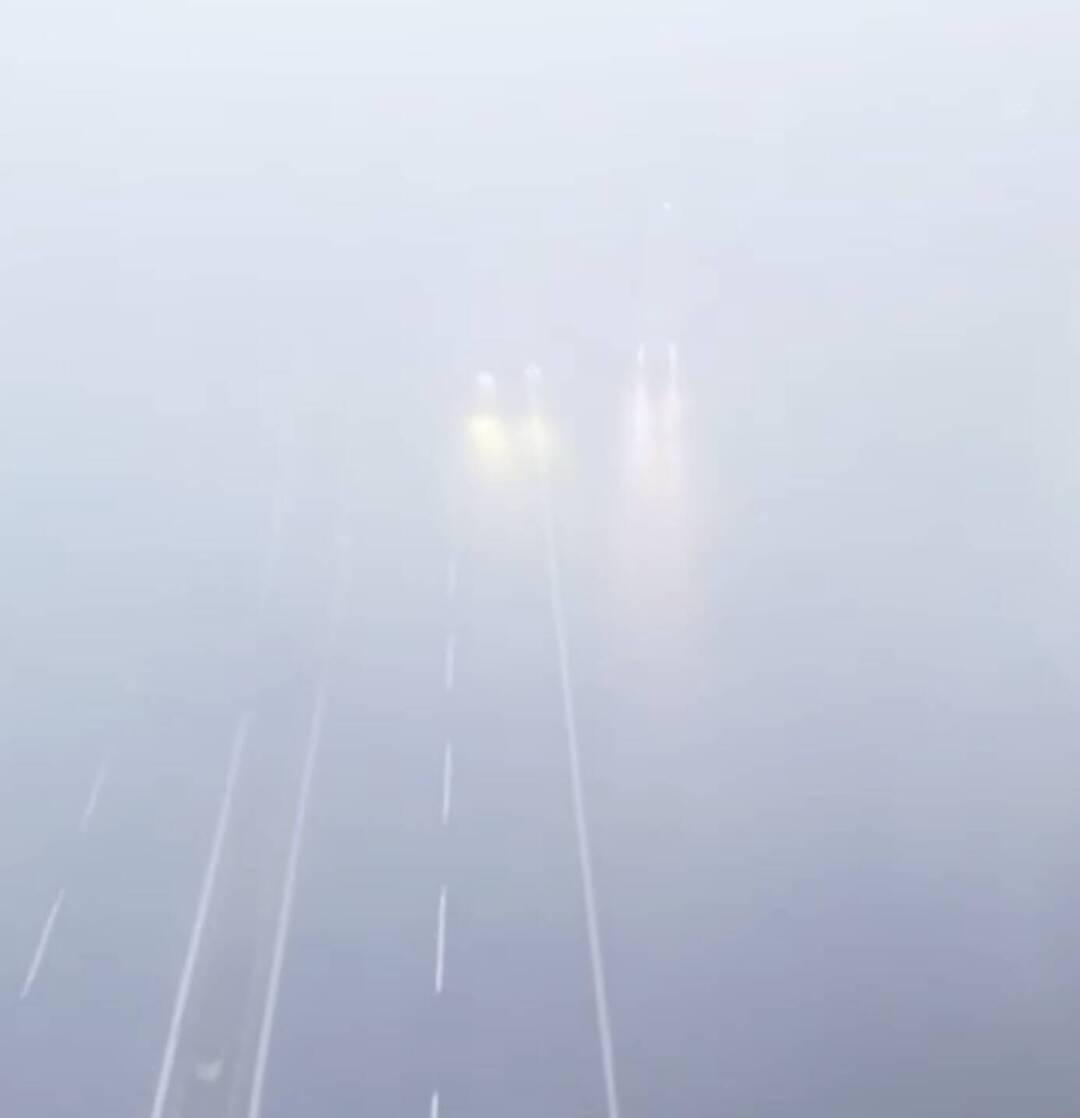
Dense Smog Pushes Visibility to Zero in Delhi, Air Quality Also Deteriorates to Severe
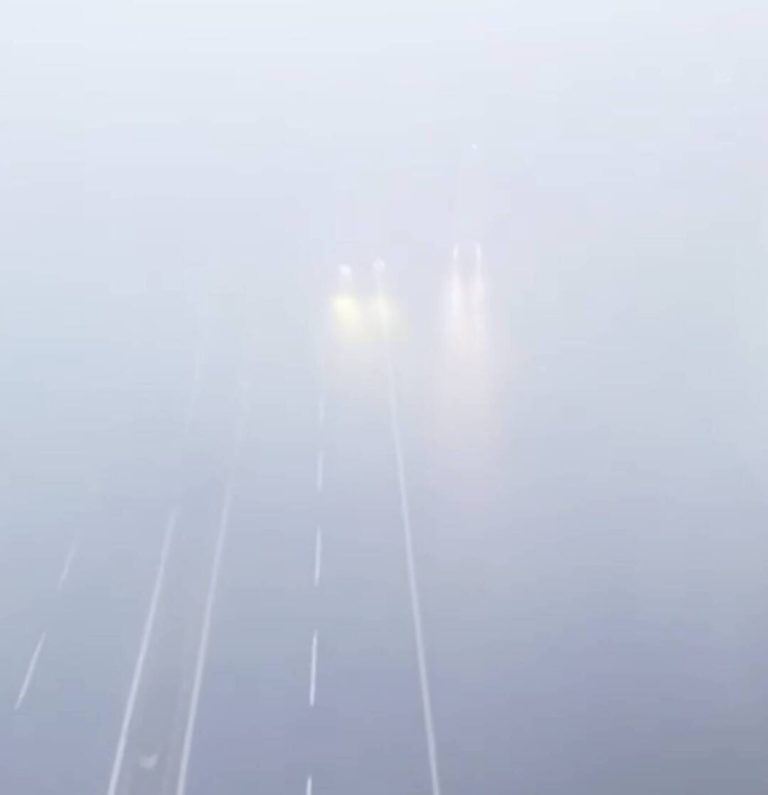
The national capital, Delhi, woke up to a thick layer of smog on Sunday morning, reducing visibility to almost zero. The dense fog-like conditions affected not only the daily commute of residents but also disrupted train and flight services. According to the India Meteorological Department (IMD), the visibility was recorded at zero at Safdarjung station in Delhi, making it extremely difficult for people to navigate through the city.
The situation was no better in the neighboring areas, where the smog had spread its dark veil, causing inconvenience to the people. The poor visibility led to a significant delay in train services, with several trains running behind schedule. Flight operations were also affected, with some flights being diverted or delayed due to the poor visibility conditions.
Meanwhile, the air quality in Delhi also deteriorated to the severe category, with the Anand Vihar station recording an Air Quality Index (AQI) of 491 at 8 am. The AQI is a measure of the level of air pollution in a given area, and a reading above 400 is considered severe. The severe air quality can cause respiratory problems, even in healthy individuals, and can be particularly harmful to people with pre-existing medical conditions.
The deterioration in air quality and visibility has prompted the authorities to reimpose restrictions under the Graded Response Action Plan (GRAP-IV). GRAP is a set of measures implemented by the government to mitigate the effects of air pollution in the National Capital Region (NCR). The plan is divided into four stages, with each stage representing a different level of air pollution. The restrictions under GRAP-IV include a ban on non-essential construction activities, closure of schools and colleges, and restrictions on the movement of trucks and other vehicles.
The smog in Delhi is a recurring problem, and the city struggles with poor air quality every year during the winter months. The main reasons for the smog are the burning of crop stubble in the neighboring states, vehicular emissions, and industrial pollution. The problem is further exacerbated by the geography of the city, which is located in a valley and surrounded by mountains. This creates a trap for the pollutants, making it difficult for them to escape.
The authorities have been trying to address the issue, but the problem persists. The government has implemented various measures, including the ban on crop stubble burning, restrictions on vehicular emissions, and the promotion of clean energy. However, more needs to be done to address the root causes of the problem.
The residents of Delhi are also doing their part to reduce air pollution. Many people have started using masks and air purifiers to protect themselves from the harmful effects of air pollution. Some residents have also started initiatives to promote clean energy and reduce waste.
In conclusion, the dense smog in Delhi has pushed visibility to zero, and the air quality has deteriorated to the severe category. The situation is a cause for concern, and the authorities need to take immediate action to address the issue. The residents of Delhi also need to do their part to reduce air pollution and promote clean energy. Only a collective effort can help to mitigate the effects of air pollution and improve the quality of life in the city.
The situation is being closely monitored by the authorities, and the residents are advised to take necessary precautions to protect themselves from the harmful effects of air pollution. The city needs to come together to address this issue and find a long-term solution to the problem of air pollution.
As the city struggles to cope with the dense smog, the residents are hoping for a quick resolution to the issue. The government and the authorities need to take immediate action to address the root causes of the problem and implement measures to reduce air pollution. Only then can the city breathe easy and enjoy a better quality of life.
Source: https://x.com/ANI/status/2012709713537053081
About the Author