Dense Smog Pushes Visibility to Zero in Delhi, Air Quality Also Deteriorates to Severe
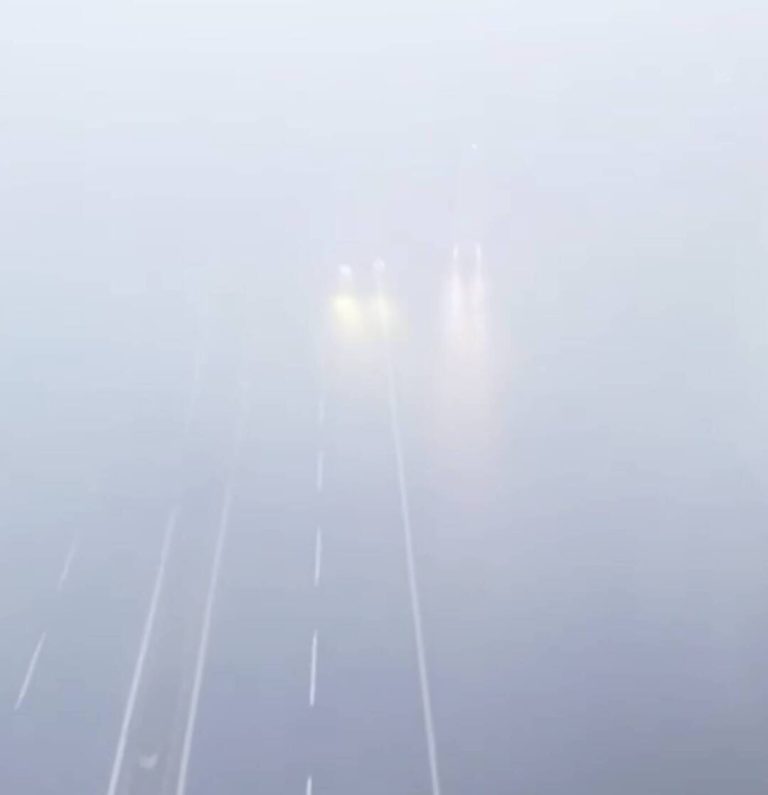
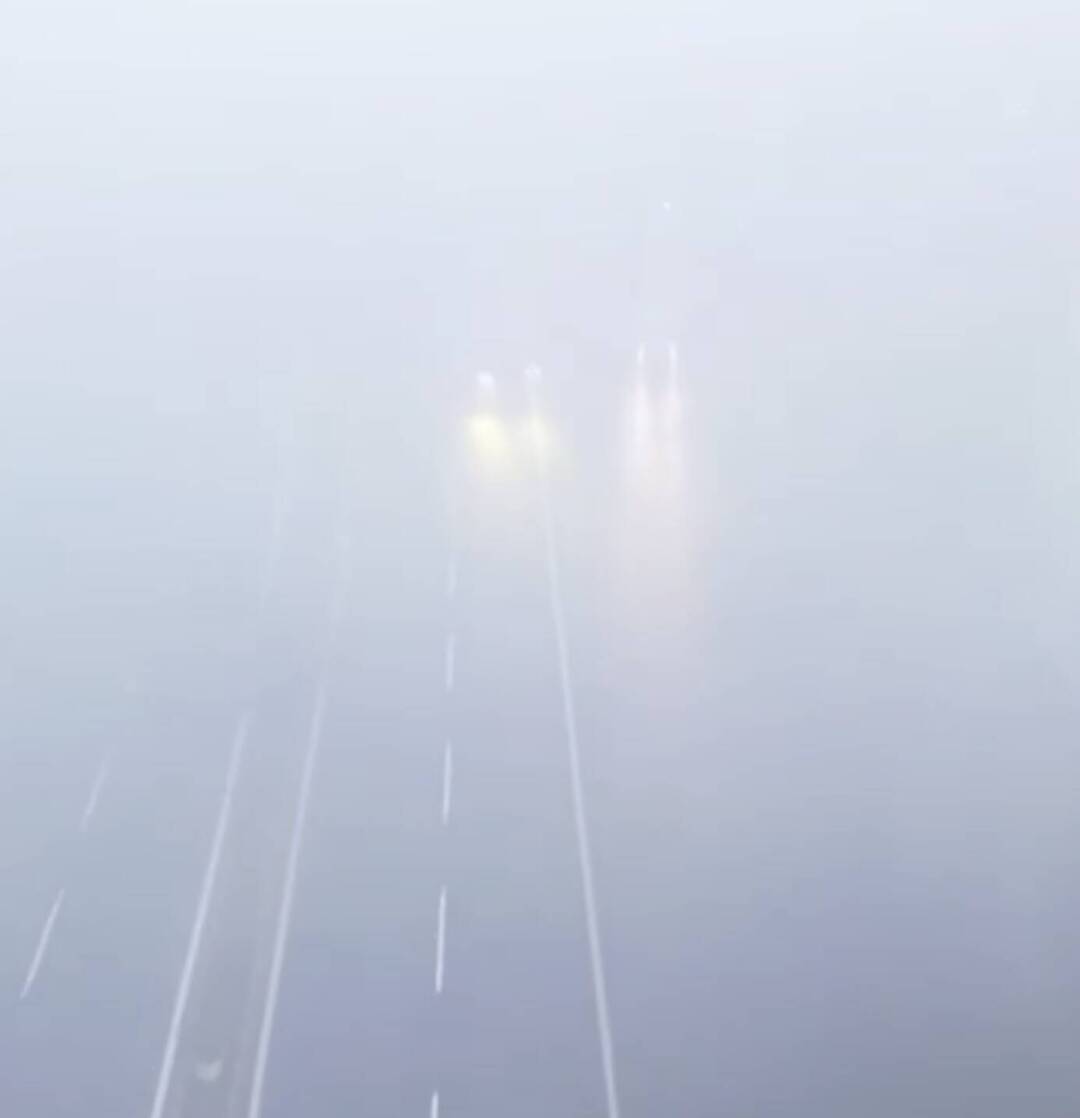
Delhi, the capital city of India, woke up to a thick layer of smog on Sunday morning, reducing visibility to almost zero. The dense fog not only affected the daily commute of residents but also disrupted train and flight services. According to the India Meteorological Department (IMD), the visibility was recorded at zero at Safdarjung station in Delhi, making it extremely difficult for people to navigate through the city.
The smog was so dense that it brought the entire city to a standstill. Residents were advised to stay indoors and avoid venturing out unless absolutely necessary. The poor visibility also led to a significant delay in train and flight services, causing inconvenience to thousands of passengers. The situation was further exacerbated by the deteriorating air quality, which slipped into the severe category.
As per the data released by the Central Pollution Control Board (CPCB), the Air Quality Index (AQI) at Anand Vihar station in Delhi was recorded at 491 at 8 am, which falls under the severe category. The AQI is a measure of the level of pollution in the air, and a reading above 400 is considered severe. The severe air quality can cause respiratory problems, especially among children, elderly, and people with pre-existing medical conditions.
The government has been taking measures to mitigate the effects of air pollution in Delhi, but the situation seems to be getting worse with each passing year. The Delhi government has implemented the Graded Response Action Plan (GRAP) to tackle air pollution, which includes a series of measures to be taken based on the severity of the pollution. However, despite these efforts, the city continues to struggle with poor air quality.
The reimposition of restrictions under GRAP-IV is a clear indication of the severity of the situation. These restrictions include a ban on construction activities, closure of schools and colleges, and a restriction on the movement of trucks and other commercial vehicles. The government has also advised people to avoid using private vehicles and instead opt for public transport or carpool.
The situation in Delhi is a wake-up call for the government and the residents to take concrete steps to address the issue of air pollution. The city’s poor air quality is not only a health hazard but also a major economic burden. According to a study, the economic loss due to air pollution in Delhi is estimated to be around Rs 50,000 crore per year.
The government needs to take a multi-pronged approach to tackle air pollution in Delhi. This includes increasing the number of buses and other public transport vehicles, promoting the use of electric and hybrid vehicles, and implementing strict emission norms for industries and vehicles. The government also needs to take steps to reduce the burning of crops and other biomass, which is a major contributor to air pollution in the region.
The residents of Delhi also have a crucial role to play in reducing air pollution. They can start by using public transport or carpooling, reducing the use of private vehicles, and avoiding the use of diesel generators. They can also plant more trees and support the government’s efforts to increase the city’s green cover.
In conclusion, the dense smog that engulfed Delhi on Sunday morning is a stark reminder of the city’s struggle with air pollution. The government and the residents need to work together to address this issue and find a long-term solution. The reimposition of restrictions under GRAP-IV is a step in the right direction, but more needs to be done to ensure that the city’s air quality improves significantly.
The situation in Delhi is a public health emergency, and it requires immediate attention. The government needs to take concrete steps to reduce air pollution, and the residents need to support these efforts. Only then can we hope to breathe clean air and live a healthy life.
News Source: https://x.com/ANI/status/2012709713537053081
About the Author