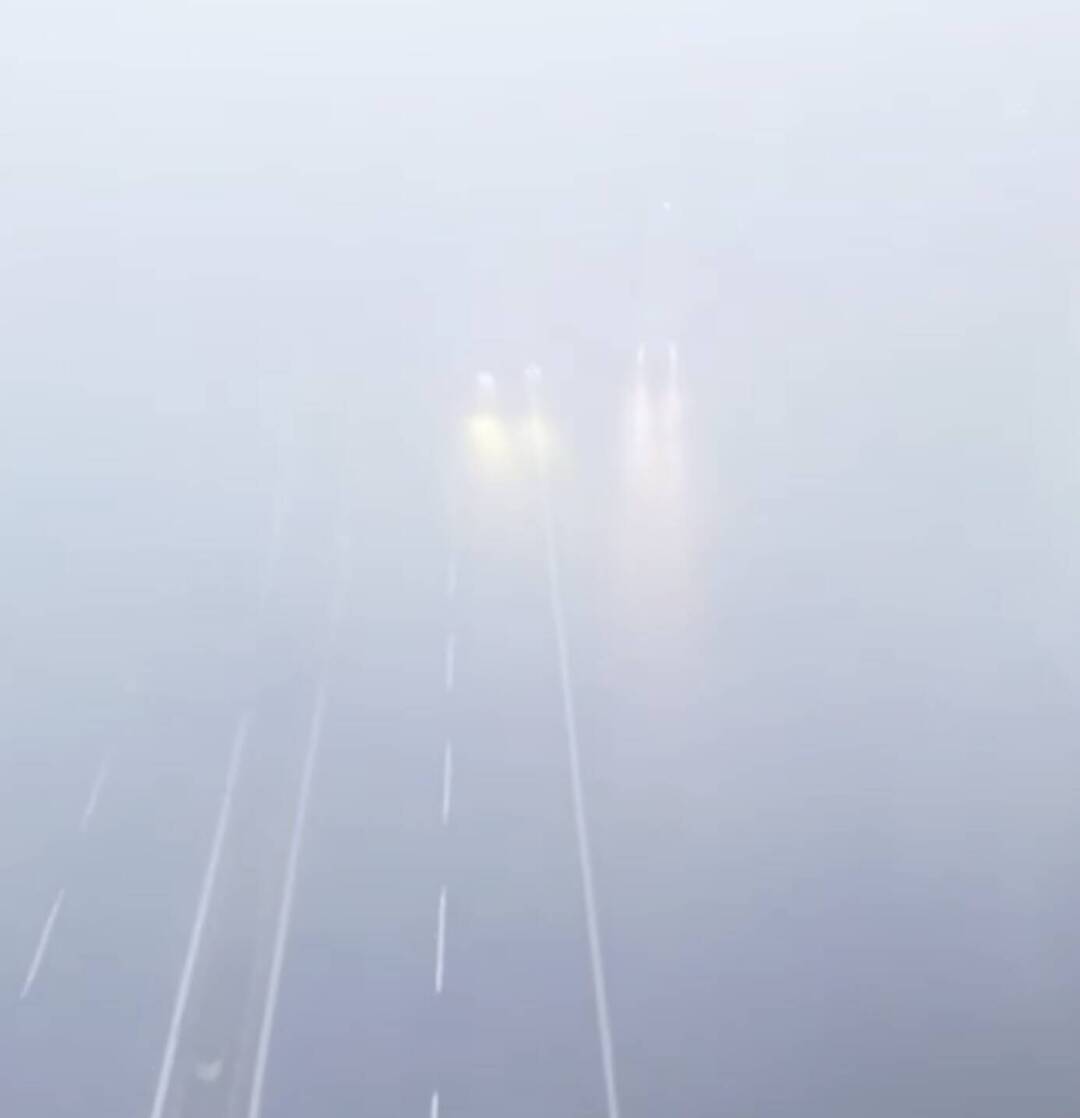
Dense Smog Pushes Visibility to Zero in Delhi, Air Quality Also Deteriorates to Severe
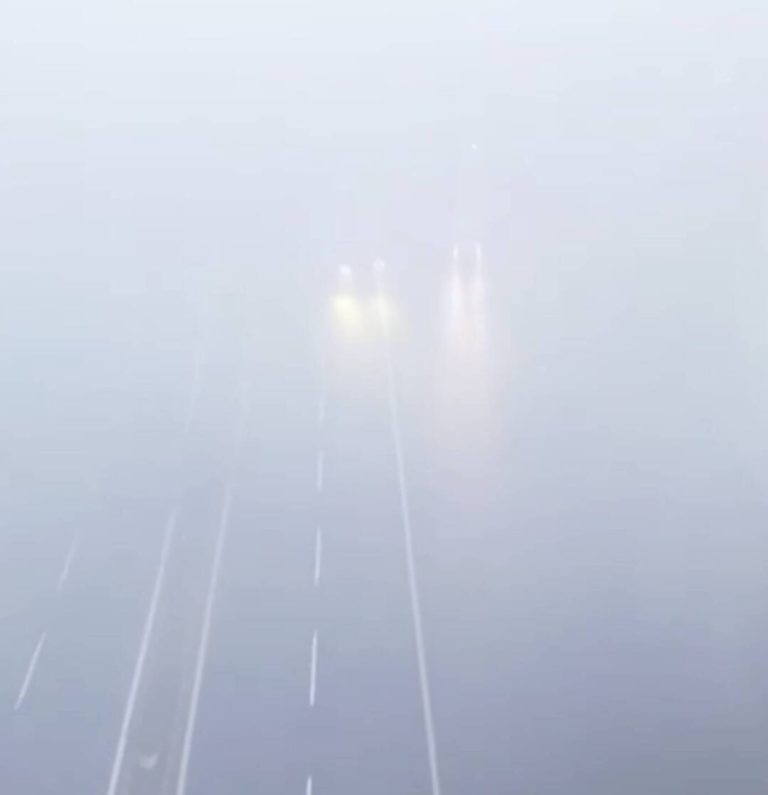
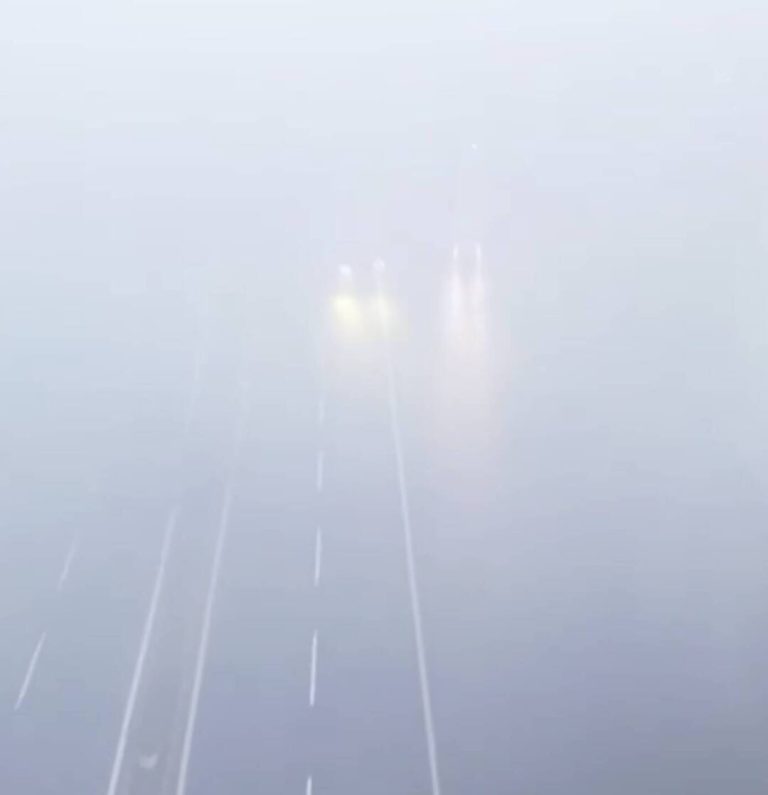
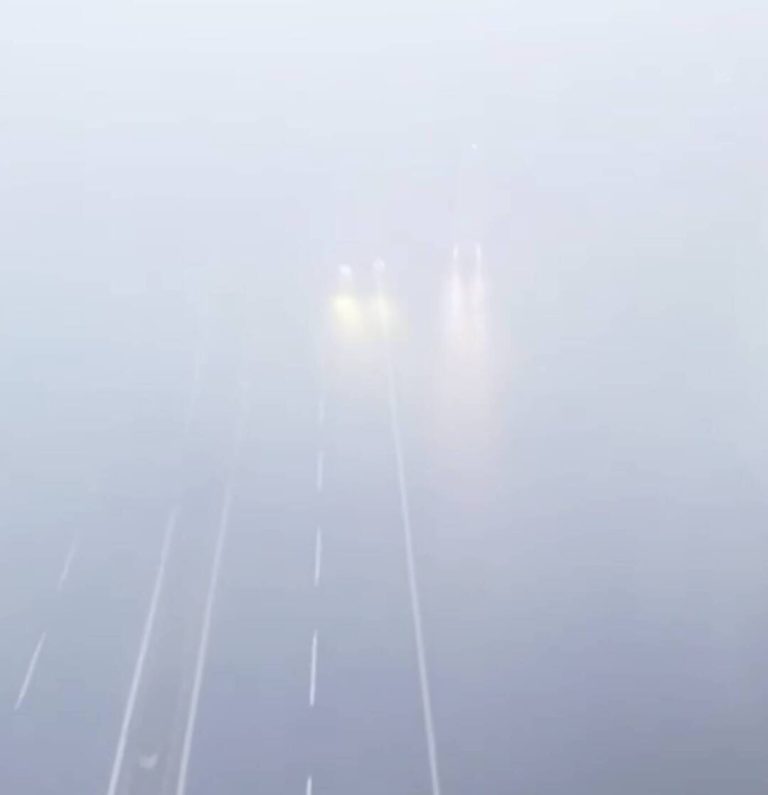
Delhi, the capital city of India, woke up to a thick layer of smog on Sunday morning, reducing visibility to almost zero. The dense fog engulfed not only Delhi but also its neighboring areas, causing disruptions in train and flight services. The Indian Meteorological Department (IMD) recorded a visibility of zero at the Safdarjung station in Delhi, highlighting the severity of the situation. Furthermore, the air quality in the city also deteriorated to the severe category, with the Anand Vihar station recording an Air Quality Index (AQI) of 491 at 8 am.
The sudden decline in visibility and air quality has raised concerns among the citizens of Delhi, who are already struggling with the adverse effects of air pollution. The smog has not only affected the daily commute but has also posed a significant threat to the health and well-being of the people. The situation is so severe that restrictions under the Graded Response Action Plan (GRAP-IV) have been reimposed to mitigate the effects of pollution.
The GRAP-IV restrictions include a ban on non-essential construction activities, closure of stone crushers and hot mix plants, and a restriction on the entry of trucks into the city. These measures are aimed at reducing the levels of particulate matter (PM) in the air, which is the primary cause of air pollution in Delhi. However, the effectiveness of these measures remains to be seen, as the city’s air quality continues to deteriorate.
The poor air quality in Delhi is a recurring problem, which worsens during the winter months. The city’s geography, with the Himalayas to the north and the plains to the south, creates a unique situation where pollutants get trapped, leading to a significant increase in PM levels. The situation is further exacerbated by factors such as crop burning, industrial emissions, and vehicular pollution.
The impact of air pollution on human health cannot be overstated. Exposure to high levels of PM can cause respiratory problems, cardiovascular diseases, and even cancer. Children, the elderly, and people with pre-existing medical conditions are particularly vulnerable to the effects of air pollution. The World Health Organization (WHO) has set a guideline value for PM2.5 of 10 μg/m3, but the levels in Delhi are often several times higher than this limit.
The Delhi government has been under pressure to take concrete steps to address the issue of air pollution. While the government has implemented various measures, including the odd-even scheme and the ban on firecrackers, more needs to be done to address the root causes of pollution. The city’s residents are demanding more effective solutions, including the implementation of stricter emission norms, the promotion of clean energy, and the improvement of public transportation.
In the short term, the residents of Delhi can take certain precautions to minimize their exposure to air pollution. Wearing masks, avoiding outdoor activities during peak pollution hours, and using air purifiers can help reduce the risks associated with air pollution. However, these measures are only temporary solutions, and a more comprehensive approach is needed to address the problem.
As the situation in Delhi continues to deteriorate, it is essential for the government, citizens, and other stakeholders to work together to find a solution. The city’s air quality is not just a local issue but a national concern, and it requires a coordinated effort to address the root causes of pollution. The government must take concrete steps to reduce emissions, promote clean energy, and improve public transportation. The citizens, on the other hand, must be aware of the risks associated with air pollution and take necessary precautions to protect themselves and their families.
In conclusion, the dense smog that engulfed Delhi on Sunday morning is a wake-up call for the city’s residents and the government. The situation is severe, and immediate action is needed to mitigate the effects of air pollution. While restrictions under GRAP-IV have been reimposed, more needs to be done to address the root causes of pollution. The city’s residents must demand more effective solutions, and the government must take concrete steps to reduce emissions and promote clean energy. Only then can we hope to breathe easy in the city we call home.
News Source: https://x.com/ANI/status/2012709713537053081
About the Author