Dense Smog Pushes Visibility to Zero in Delhi, Air Quality Also Deteriorates to Severe
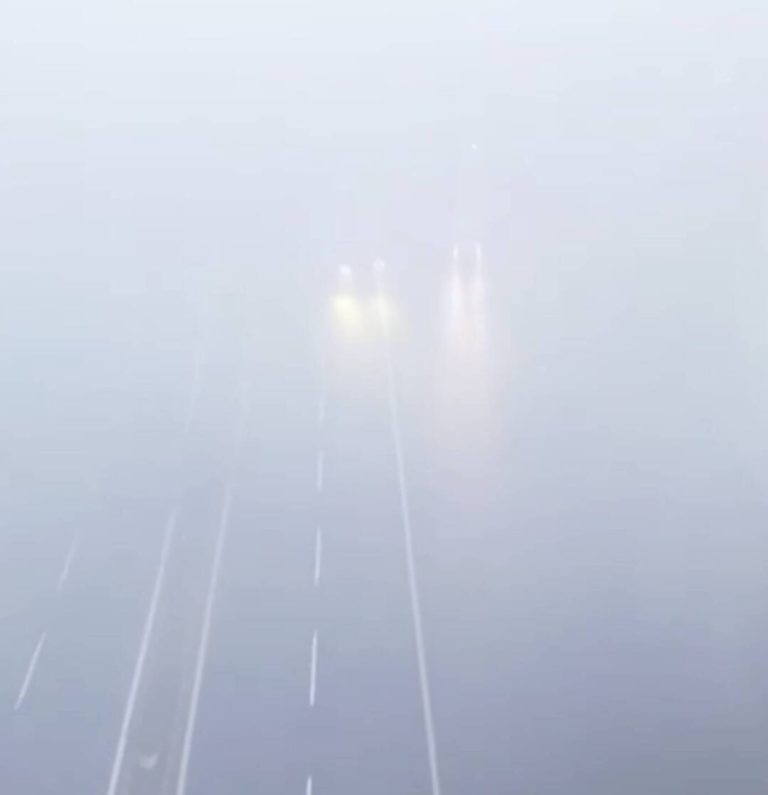
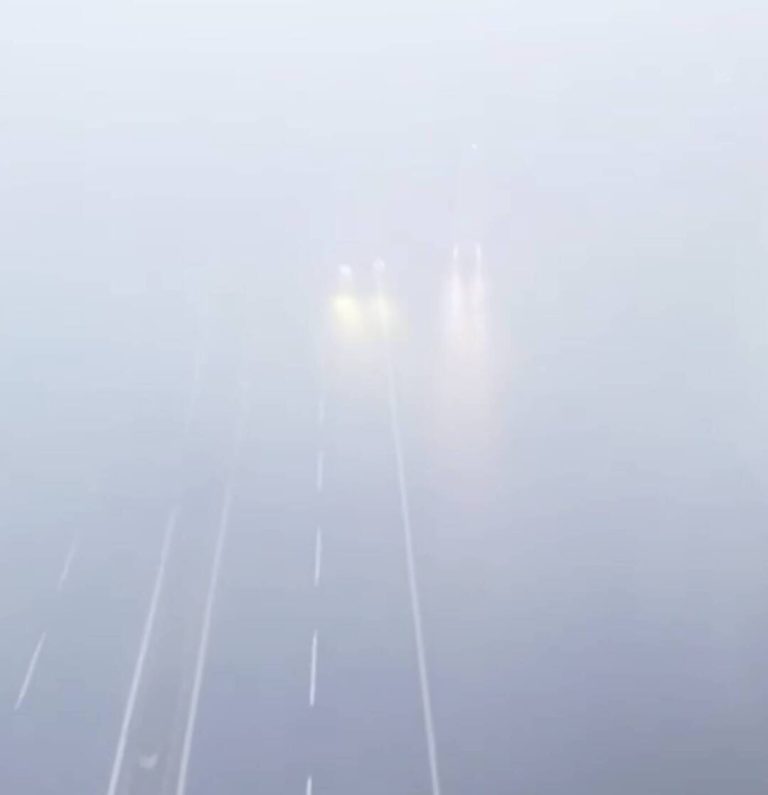
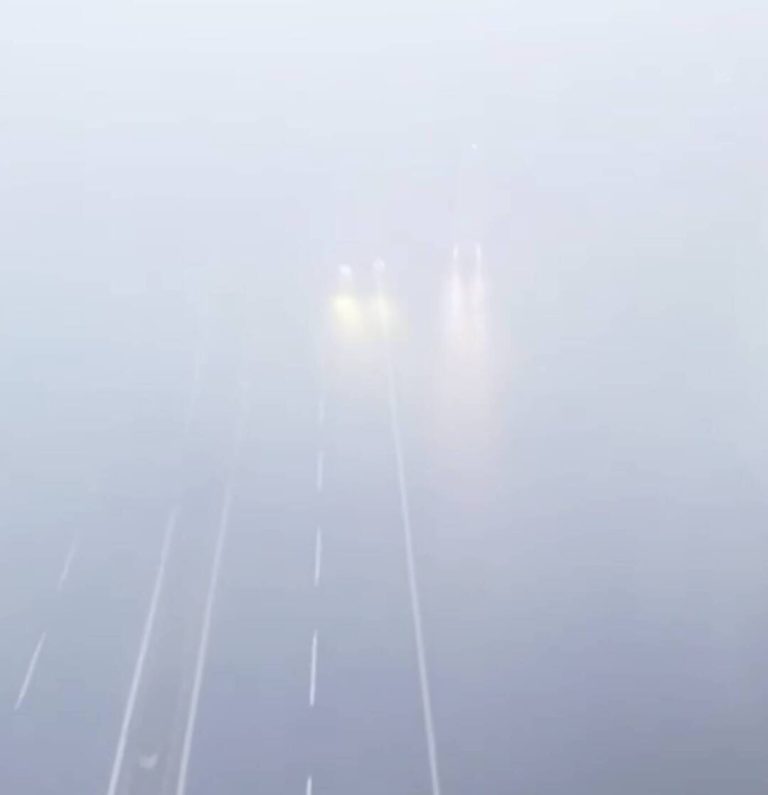
Delhi, the capital city of India, woke up to a thick layer of smog on Sunday morning, reducing visibility to almost zero. The dense fog engulfed not only Delhi but also its neighboring areas, causing disruptions in train and flight services. The Indian Meteorological Department (IMD) recorded a visibility of zero at the Safdarjung station in Delhi, highlighting the severity of the situation.
As the city struggled to cope with the low visibility, the air quality also took a hit, deteriorating to the severe category. According to the data from the Central Pollution Control Board (CPCB), the Anand Vihar station in Delhi recorded an Air Quality Index (AQI) of 491 at 8 am, indicating extremely poor air quality. The severe air quality has raised concerns among the residents, who are already struggling to deal with the dense smog.
The situation has prompted the authorities to reimpose restrictions under the Graded Response Action Plan (GRAP-IV), which is a set of measures implemented to mitigate the effects of air pollution. The plan includes a range of actions, from banning construction activities to restricting the use of diesel generators, in an effort to reduce the pollution levels.
The dense smog and poor air quality have been causing problems for the residents of Delhi, with many taking to social media to express their concerns. The low visibility has made it difficult for people to commute, and the poor air quality has been causing health problems, especially for those with respiratory issues.
The situation is not limited to Delhi, as the neighboring areas are also experiencing similar conditions. The National Capital Region (NCR), which includes cities like Gurgaon, Noida, and Ghaziabad, is also struggling with low visibility and poor air quality.
The causes of the dense smog and poor air quality are multifaceted. One of the main reasons is the burning of crop residue in the neighboring states of Punjab and Haryana. The smoke from these fires travels to Delhi, contributing to the poor air quality. Another reason is the vehicular pollution, which is a major contributor to the pollution levels in the city.
The authorities have been trying to address the issue of air pollution in Delhi, but the problem persists. The city has been experiencing severe air pollution for several years, and the situation has been worsening over time. The government has implemented various measures, including the odd-even scheme, which restricts the use of private vehicles on alternate days, but the problem remains.
The residents of Delhi are bearing the brunt of the poor air quality, with many suffering from respiratory problems. The situation is particularly difficult for children, older adults, and people with pre-existing medical conditions, who are more vulnerable to the effects of air pollution.
In addition to the health problems, the poor air quality is also affecting the economy. The tourism industry is one of the worst affected, as the poor air quality is deterring tourists from visiting the city. The city’s reputation as a tourist destination is also taking a hit, with many travelers avoiding Delhi due to the poor air quality.
The authorities need to take urgent action to address the issue of air pollution in Delhi. The city needs a comprehensive plan to reduce pollution levels, which includes measures such as increasing the use of public transport, promoting the use of electric vehicles, and reducing the burning of crop residue.
In conclusion, the dense smog and poor air quality in Delhi are causing significant problems for the residents of the city. The situation is not only affecting the health of the people but also the economy. The authorities need to take immediate action to address the issue, and the residents need to be aware of the causes and effects of air pollution. By working together, we can reduce the pollution levels and make Delhi a healthier and more livable city.
News Source: https://x.com/ANI/status/2012709713537053081
About the Author