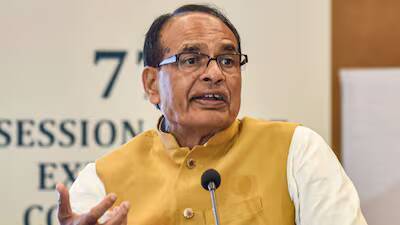
Crocodile tears: Shivraj on Congress’ ‘MGNREGA Bachao’ protest
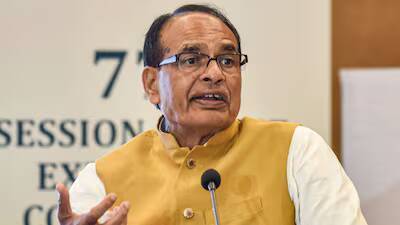
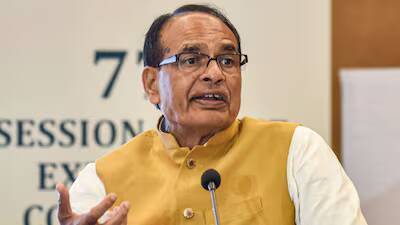
The Indian political landscape is known for its dramatic twists and turns, and the recent controversy surrounding the Mahatma Gandhi National Rural Employment Guarantee Act (MGNREGA) is no exception. The Congress party has vowed to launch a nationwide protest, dubbed ‘MGNREGA Bachao’, from January 5, in response to the government’s decision to replace the existing MGNREGA with the new Vishwakarma Balram Jhakhran Ram G (VB-G RAM G) Act. However, Union Minister Shivraj Singh Chouhan has accused the Congress of shedding “crocodile tears” over the issue, stating that their clamour is purely political.
According to Chouhan, the Congress party has a history of reducing the budget for MGNREGA, which raises questions about their sincerity in protesting against the new Act. “The Congress’s clamour is purely political…This is the same Congress that, from time to time, reduced the budget for MGNREGA,” he said. This statement highlights the complexities of Indian politics, where parties often engage in a game of one-upmanship, trying to outdo each other in their attempts to woo voters.
The MGNREGA, which was enacted in 2005, guarantees 100 days of wage employment per year to rural households. The scheme has been instrumental in providing a safety net for millions of rural Indians, who are often forced to migrate to urban areas in search of work. However, the new VB-G RAM G Act has raised concerns among many, who fear that it may undermine the existing guarantees and benefits provided by MGNREGA.
The Congress party has been vocal in its criticism of the new Act, with many of its leaders accusing the government of trying to dismantle the MGNREGA. The party has argued that the new Act will lead to a reduction in the number of days of employment guaranteed under the scheme, as well as a decrease in the budget allocated for the program. The ‘MGNREGA Bachao’ protest is an attempt by the Congress to mobilize public opinion against the government’s decision and to pressure them into reconsidering the new Act.
However, Chouhan’s statement suggests that the Congress party’s concerns may be motivated more by political considerations than a genuine desire to protect the interests of rural Indians. The fact that the Congress party has, in the past, reduced the budget for MGNREGA, undermines their claims of being the champions of rural employment. This highlights the importance of looking beyond the rhetoric and examining the track record of political parties when it comes to issues like MGNREGA.
The controversy surrounding MGNREGA is a classic example of the complexities of Indian politics, where parties often engage in a game of political one-upmanship. While the Congress party may be trying to capitalize on the fears and concerns of rural Indians, the government is trying to project itself as a champion of reform and modernization. The truth, as always, lies somewhere in between.
In conclusion, the controversy surrounding MGNREGA is a complex issue, with multiple perspectives and motivations at play. While the Congress party’s ‘MGNREGA Bachao’ protest may be seen as a genuine attempt to protect the interests of rural Indians, Chouhan’s statement highlights the importance of looking beyond the rhetoric and examining the track record of political parties. As the debate surrounding MGNREGA continues to unfold, it is essential to separate fact from fiction and to evaluate the claims and counter-claims made by different parties.
Ultimately, the fate of MGNREGA and the millions of rural Indians who depend on it will depend on the ability of political parties to put aside their differences and work towards a common goal. The ‘MGNREGA Bachao’ protest may be a starting point for a larger conversation about the future of rural employment in India, but it is essential to approach this conversation with a critical and nuanced perspective, recognizing the complexities and motivations that underlie the debate.
About the Author