Congress posts AI video of PM talking to Mahatma Gandhi on MGNREGA
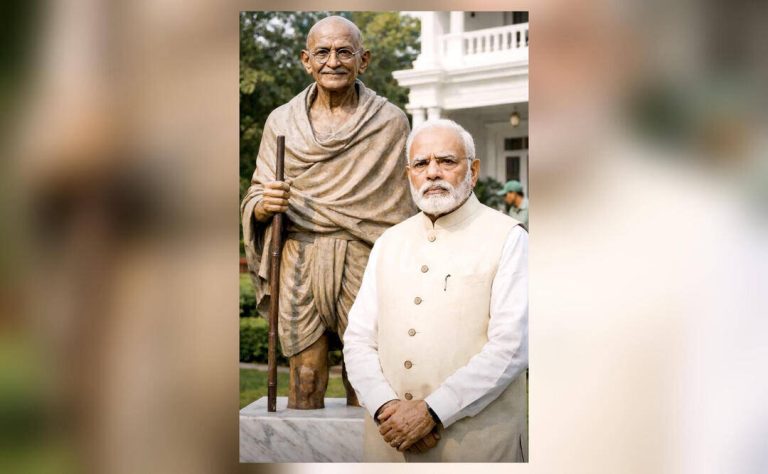
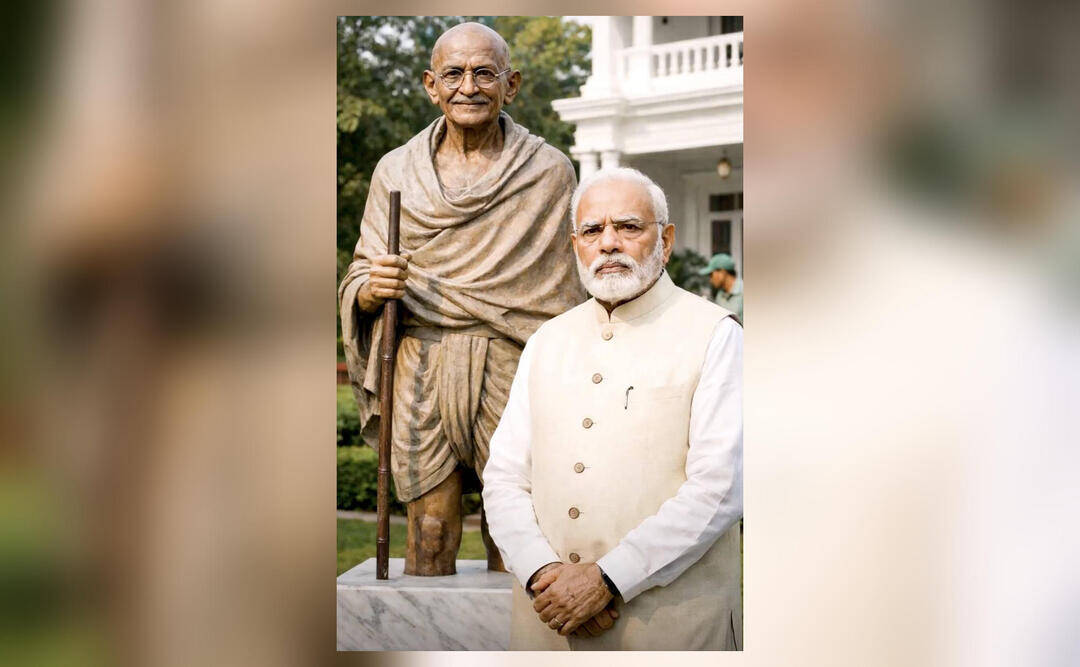
In a surprising move, the Congress party has posted an AI-generated video that has sparked a heated debate across the country. The video, which has been making rounds on social media, shows Prime Minister Narendra Modi engaged in a conversation with a statue of Mahatma Gandhi. The topic of discussion is the proposed replacement of the Mahatma Gandhi National Rural Employment Guarantee Act (MGNREGA) with the Vishwa Bharati Garib Ramgarh Aajeevika Mission (VB-G RAM G) Act.
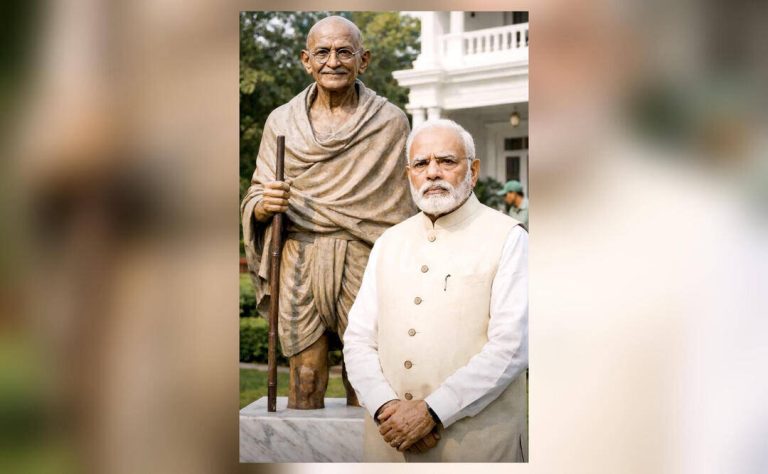
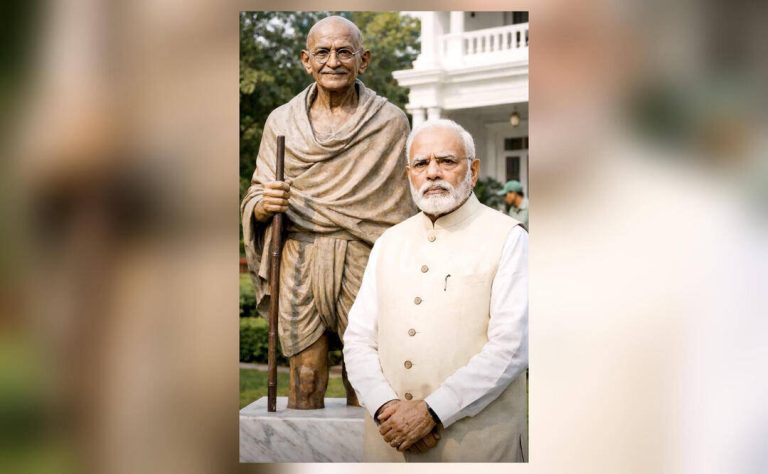
The video, which appears to be a work of artificial intelligence, shows PM Modi standing in front of a statue of Mahatma Gandhi, seemingly having a conversation with the iconic leader. The PM is heard saying that he doesn’t like the fact that the world recognizes India through him and not through the Rashtriya Swayamsevak Sangh (RSS). This statement has raised eyebrows, as it suggests that the PM is seeking to promote the RSS, a right-wing organization, over his own image.
The statue of Mahatma Gandhi, in a surprising response, is seen replying to the PM’s statement. The statue says, “RSS can erase Gandhi, but his thoughts will always live.” This statement is a clear reference to the ongoing debate about the legacy of Mahatma Gandhi and the attempts by some sections to undermine his contributions to the country.
The video has sparked a heated debate, with many questioning the authenticity of the clip and the intentions behind its creation. While some have praised the Congress party for using innovative methods to highlight the issues with the proposed replacement of MGNREGA, others have criticized the party for resorting to “fake news” and “misleading” the public.
The MGNREGA, which was introduced by the UPA government in 2006, provides a guarantee of 100 days of wage employment to rural laborers. The scheme has been widely acclaimed for its role in providing a safety net to the rural poor and has been instrumental in reducing poverty and migration in rural areas.
On the other hand, the proposed VB-G RAM G Act has been criticized for its potential to undermine the gains made by the MGNREGA. The new act proposes to introduce a new framework for rural employment, which many fear will lead to the dismantling of the existing scheme.
The Congress party has been vocal in its opposition to the proposed replacement of MGNREGA, and the AI-generated video is seen as an attempt to highlight the issue and mobilize public opinion. The party has argued that the MGNREGA is a vital scheme that has provided succor to millions of rural laborers and that any attempt to replace it would be disastrous for the rural poor.
The use of AI-generated videos to make a political point is a new phenomenon in Indian politics. While it has been used in the past to create comedic skits and satirical content, its use in serious political discourse is a new development. The Congress party’s decision to use this technology to highlight the issue of MGNREGA has sparked a debate about the role of technology in politics and the potential for misinformation and manipulation.
As the debate rages on, one thing is clear: the issue of MGNREGA and its proposed replacement is a critical one that requires careful consideration and public debate. The use of AI-generated videos to highlight the issue may be seen as a gimmick by some, but it has undoubtedly succeeded in sparking a conversation about the importance of the scheme and the need to protect it.
In conclusion, the AI-generated video posted by the Congress party has sparked a heated debate about the proposed replacement of MGNREGA and the role of technology in politics. While the authenticity of the video may be questioned, its impact on the public discourse cannot be denied. As the country grapples with the challenges of rural poverty and unemployment, it is essential to have a nuanced and informed debate about the schemes and policies that affect the lives of millions of people.
Source: https://x.com/INCIndia/status/2003054650417893420
About the Author