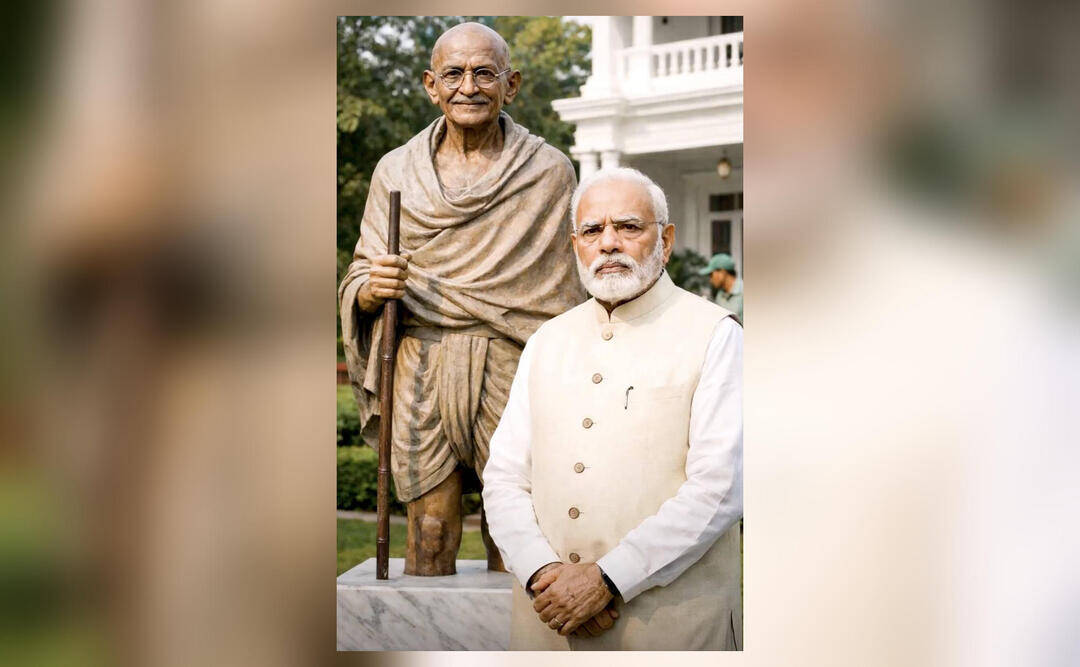
Congress posts AI video of PM talking to Mahatma Gandhi on MGNREGA
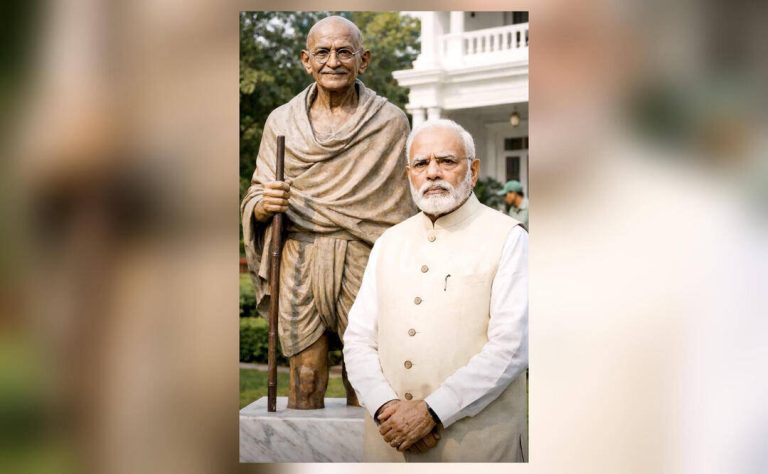
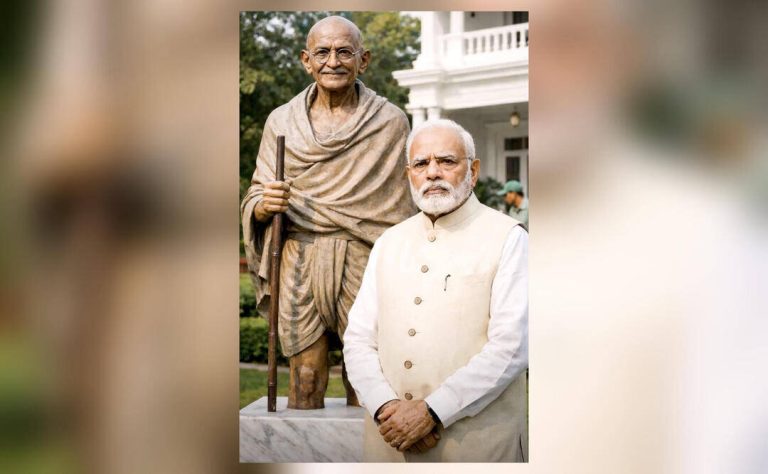
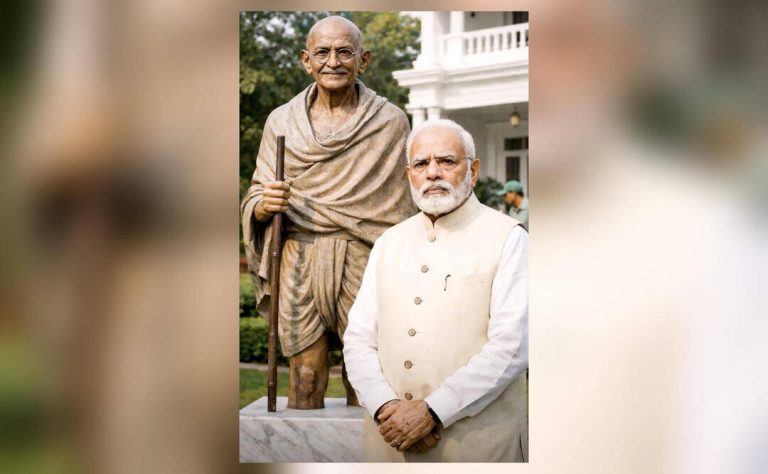
In a shocking turn of events, the Indian National Congress has posted a provocative AI-generated video on social media, which appears to show Prime Minister Narendra Modi engaging in a conversation with a statue of Mahatma Gandhi. The video, which has sparked a heated debate on social media, revolves around the topic of replacing the Mahatma Gandhi National Rural Employment Guarantee Act (MGNREGA) with the Vishwa Bharatiya Grameen Rozgar Abhiyan (VB-G RAM G Act). The clip has not only raised questions about the use of AI-generated content in politics but also highlights the ongoing controversy surrounding the proposed replacement of MGNREGA.
The video, which is approximately two minutes long, shows PM Modi standing in front of a statue of Mahatma Gandhi, looking rather solemn. He begins by saying, “I don’t like the fact that the world recognizes India through me and not through the Rashtriya Swayamsevak Sangh (RSS).” The RSS, a right-wing Hindu nationalist organization, is often seen as a key influencer of the Bharatiya Janata Party (BJP), which is currently in power in India. The PM’s statement is met with a response from the statue of Mahatma Gandhi, who says, “RSS can erase Gandhi, but his thoughts will always live.”
The conversation between PM Modi and the statue of Mahatma Gandhi is a clear reference to the ongoing debate surrounding the legacy of Mahatma Gandhi and the role of the RSS in Indian politics. The video is seen as an attempt by the Congress party to highlight the perceived differences between the ideals of Mahatma Gandhi and the ideology of the RSS. By using AI-generated content, the Congress party has sparked a debate about the use of technology in politics and the potential consequences of such actions.
The MGNREGA, which was introduced in 2006, is a flagship program of the Indian government that aims to provide a guarantee of employment to rural laborers. The program has been widely praised for its ability to provide a safety net to millions of rural Indians and has been seen as a key factor in reducing poverty and inequality in the country. However, the proposed replacement of MGNREGA with the VB-G RAM G Act has been met with widespread criticism, with many arguing that the new program will undermine the guarantees provided by MGNREGA and leave rural laborers vulnerable to exploitation.
The use of AI-generated content in politics is a relatively new phenomenon, and the Congress party’s decision to post such a video has sparked a heated debate about the ethics of using such technology. While some have praised the use of AI-generated content as a creative way to engage with voters, others have raised concerns about the potential for such content to be used to spread misinformation or manipulate public opinion.
In recent years, AI-generated content has become increasingly sophisticated, making it difficult to distinguish between what is real and what is fake. The use of such content in politics has the potential to further polarize an already divided electorate and undermine trust in institutions. As such, it is essential that political parties and individuals use such technology responsibly and with transparency.
The controversy surrounding the proposed replacement of MGNREGA with the VB-G RAM G Act is a complex issue that requires careful consideration and debate. While the government has argued that the new program will provide more flexibility and autonomy to states, critics have argued that it will undermine the guarantees provided by MGNREGA and leave rural laborers vulnerable to exploitation.
In conclusion, the AI-generated video posted by the Congress party has sparked a heated debate about the use of technology in politics and the proposed replacement of MGNREGA with the VB-G RAM G Act. While the video is a creative attempt to engage with voters, it also highlights the need for transparency and responsibility in the use of AI-generated content. As the debate surrounding the proposed replacement of MGNREGA continues, it is essential that all parties engage in a constructive and respectful dialogue about the future of rural employment in India.
News source: https://x.com/INCIndia/status/2003054650417893420
About the Author