Congress posts AI video of PM talking to Mahatma Gandhi on MGNREGA
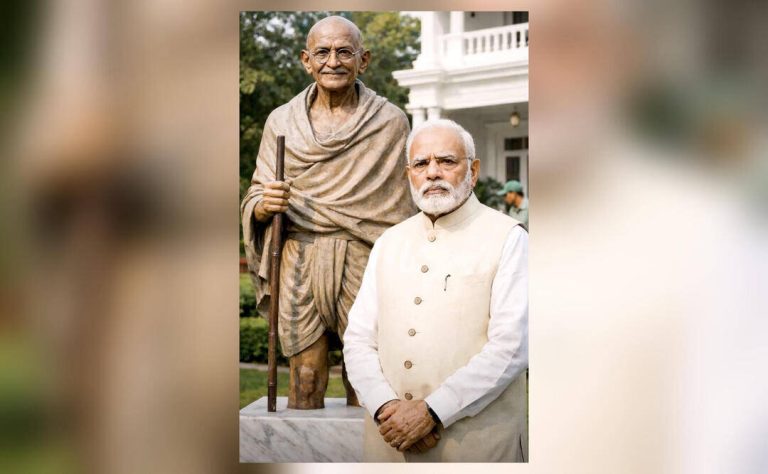
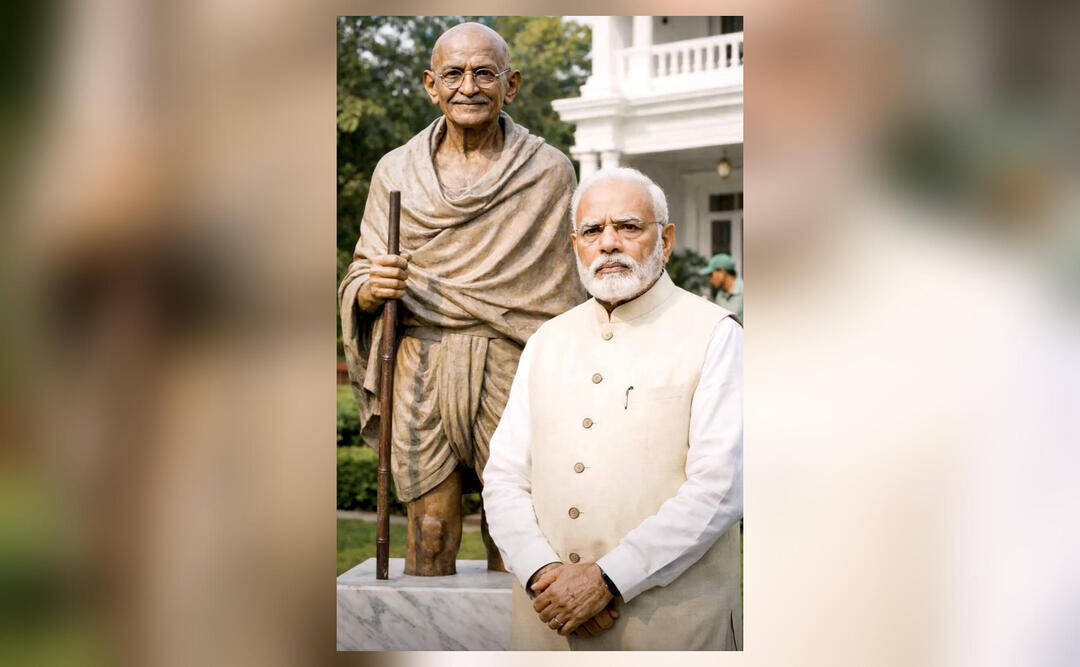
In a bizarre turn of events, the Indian National Congress has posted an AI-generated video on social media, which shows Prime Minister Narendra Modi engaging in a conversation with a statue of Mahatma Gandhi. The video, which has sparked a heated debate online, revolves around the topic of replacing the Mahatma Gandhi National Rural Employment Guarantee Act (MGNREGA) with the Vishwa Bharati Garib Ramgarh Aajeevika Mission (VB-G RAM G Act). The clip has been shared on various social media platforms, leaving many to wonder about the implications of such a move.
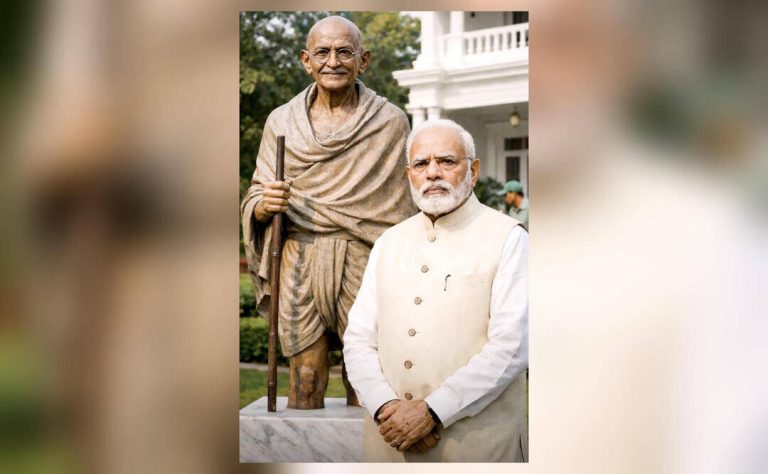
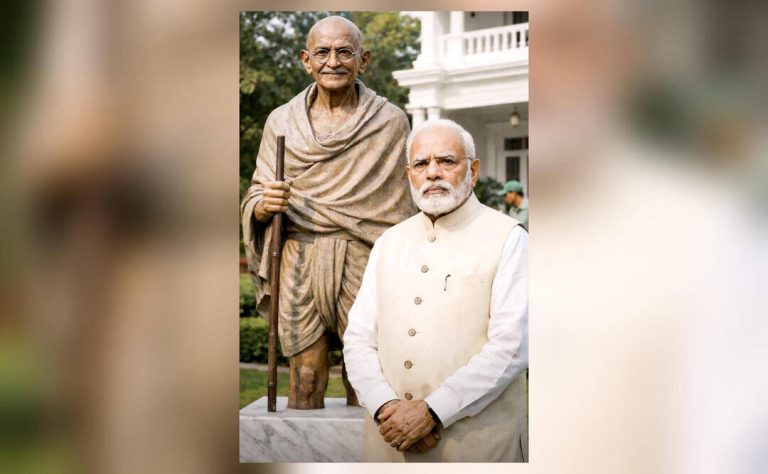
The video, which appears to be created using advanced AI technology, shows PM Modi standing in front of a statue of Mahatma Gandhi, explaining his plans to replace MGNREGA with the VB-G RAM G Act. According to the Prime Minister, the new act will provide more benefits to the rural population and will be more effective in addressing poverty. However, the statue of Mahatma Gandhi seems to disagree with the Prime Minister’s views.
In the video, PM Modi is heard saying, “I don’t like the fact that the world recognises India through me and not through RSS.” This statement has raised eyebrows, as it seems to suggest that the Prime Minister is more concerned about the image of the Rashtriya Swayamsevak Sangh (RSS) than the well-being of the Indian people. The RSS, a right-wing Hindu nationalist organization, has been a topic of controversy in recent years, with many accusing it of promoting a divisive agenda.
The statue of Mahatma Gandhi, however, is not impressed with the Prime Minister’s statement. In a powerful and poignant response, the statue says, “RSS can erase Gandhi, but his thoughts will always live.” This statement is a clear reference to the attempts by some right-wing groups to erase Mahatma Gandhi’s legacy and replace it with their own ideology. The statue’s response is a powerful reminder that the ideas and values of Mahatma Gandhi continue to inspire and guide people around the world, even if his physical presence is no longer with us.
The video has sparked a heated debate online, with many people praising the Congress for its creative and thought-provoking campaign. Others, however, have criticized the party for using AI-generated content to mislead people. The BJP, on the other hand, has accused the Congress of spreading falsehoods and trying to undermine the Prime Minister’s image.
The controversy surrounding the video has also raised questions about the use of AI-generated content in politics. While AI technology has the potential to revolutionize the way we communicate and engage with each other, it also raises concerns about authenticity and truth. In an era where fake news and disinformation are rampant, it is more important than ever to be cautious and critical of the information we consume online.
The replacement of MGNREGA with the VB-G RAM G Act is also a topic of concern for many experts and activists. MGNREGA, which was launched in 2006, provides a guarantee of 100 days of wage employment to rural laborers. The act has been instrumental in providing livelihood support to millions of people in rural India and has been widely praised for its effectiveness in addressing poverty.
The VB-G RAM G Act, on the other hand, is a new initiative that aims to provide more benefits to rural households. While the details of the act are still unclear, many experts have raised concerns about its potential impact on the rural economy. Some have argued that the act may not provide the same level of protection and benefits as MGNREGA, and may even lead to more poverty and inequality in rural areas.
In conclusion, the AI-generated video posted by the Congress has sparked a heated debate about the replacement of MGNREGA with the VB-G RAM G Act. While the video itself is a creative and thought-provoking piece of content, it also raises important questions about the use of AI-generated content in politics and the potential impact of the new act on rural India. As the debate continues to unfold, it is essential to remain cautious and critical of the information we consume online and to prioritize the well-being and interests of the Indian people.
News source: https://x.com/INCIndia/status/2003054650417893420
About the Author