Congress posts AI video of PM talking to Mahatma Gandhi on MGNREGA
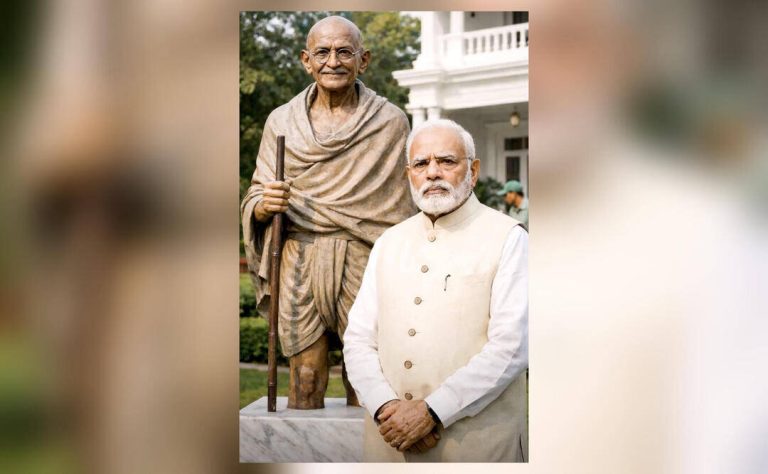
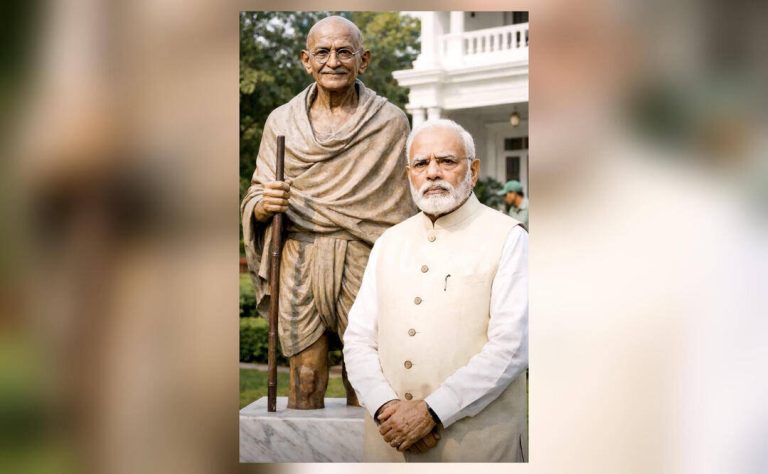
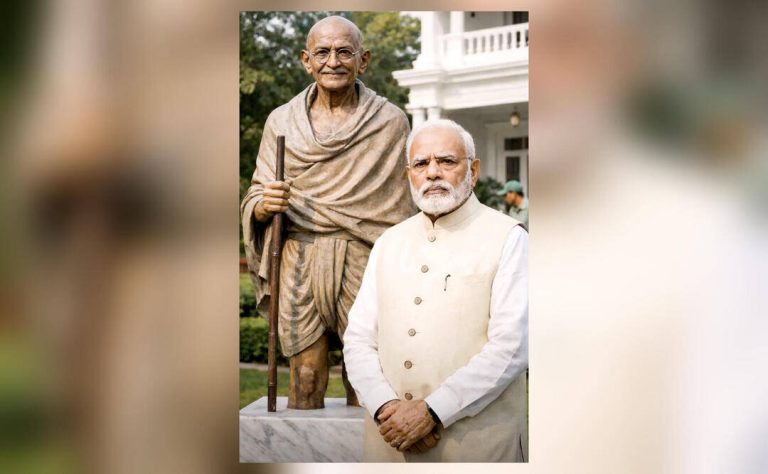
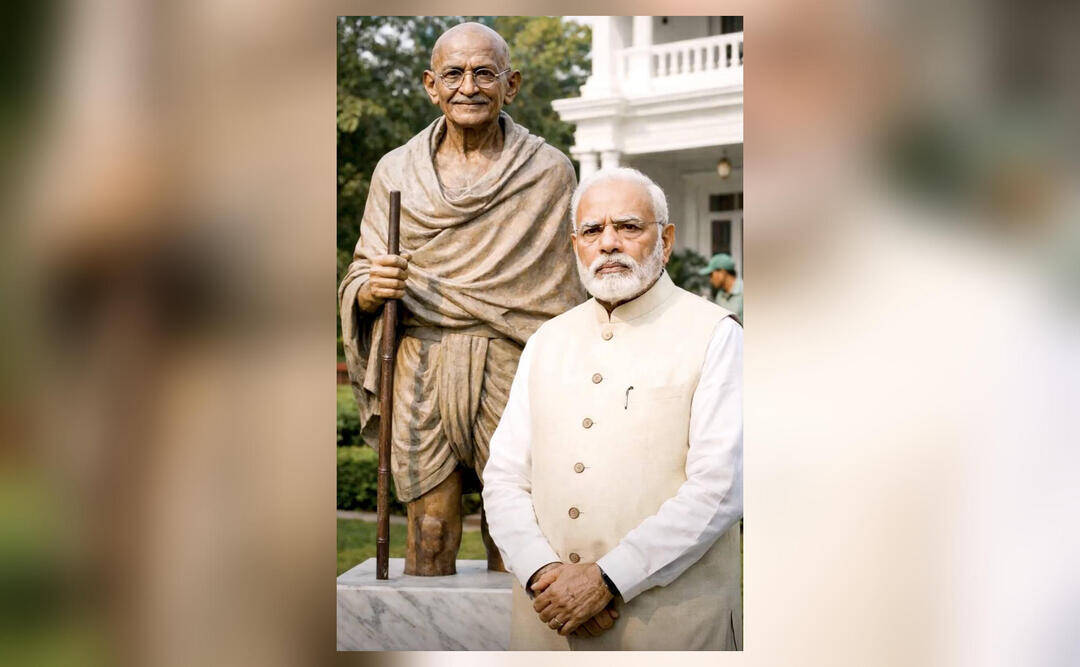
In a bizarre incident, the Indian National Congress has posted an AI-generated video on social media, which shows Prime Minister Narendra Modi engaging in a conversation with a statue of Mahatma Gandhi. The video, which has gone viral, discusses the replacement of the Mahatma Gandhi National Rural Employment Guarantee Act (MGNREGA) with the Vishwakarma Bhavan and Gramin Rozgar Abhiyan (VB-G RAM G) Act. The clip has sparked a heated debate on social media, with many questioning the authenticity and intent behind the video.
The video, which appears to be created using advanced AI technology, shows PM Modi standing in front of a statue of Mahatma Gandhi, discussing the proposed replacement of MGNREGA with the VB-G RAM G Act. The Prime Minister is heard saying that he doesn’t like the fact that the world recognizes India through him and not through the Rashtriya Swayamsevak Sangh (RSS). This statement has raised eyebrows, as it suggests that the Prime Minister is seeking to promote the RSS, a right-wing organization, over his own image.
The statue of Mahatma Gandhi, however, responds in a manner that is both surprising and thought-provoking. The statue says, “RSS can erase Gandhi, but his thoughts will always live.” This statement is seen as a reference to the perceived attempts by the current government to erase Mahatma Gandhi’s legacy and promote a more nationalist agenda. The response has been interpreted as a powerful message, highlighting the timelessness of Gandhi’s ideas and the futility of attempts to suppress them.
The video has sparked a heated debate on social media, with many Congress supporters hailing it as a clever move to highlight the government’s alleged attempts to undermine Gandhi’s legacy. Others, however, have questioned the authenticity of the video, pointing out that it is AI-generated and may not reflect the actual views of the Prime Minister or Mahatma Gandhi.
The MGNREGA, which was introduced by the UPA government in 2006, provides a guarantee of employment to rural laborers, ensuring that they receive a minimum of 100 days of paid work per year. The scheme has been widely praised for its role in reducing poverty and promoting rural development. The proposed replacement of MGNREGA with the VB-G RAM G Act has been met with resistance from opposition parties, who argue that it will undermine the existing scheme and leave rural laborers without a safety net.
The use of AI-generated videos in politics is a relatively new phenomenon, and it raises important questions about the role of technology in shaping public discourse. While such videos can be an effective way to convey a message and spark a debate, they also carry the risk of being misinterpreted or manipulated. As the use of AI-generated content becomes more widespread, it is essential to develop a critical eye and be aware of the potential for misinformation and manipulation.
In conclusion, the AI-generated video posted by the Congress has sparked a heated debate on social media, highlighting the ongoing controversy over the replacement of MGNREGA with the VB-G RAM G Act. While the video’s authenticity may be questionable, it has succeeded in drawing attention to the issue and sparking a conversation about the role of technology in politics. As we move forward, it is essential to be aware of the potential risks and benefits of AI-generated content and to approach such videos with a critical eye.
News Source: https://x.com/INCIndia/status/2003054650417893420
About the Author