Congress posts AI video of PM talking to Mahatma Gandhi on MGNREGA
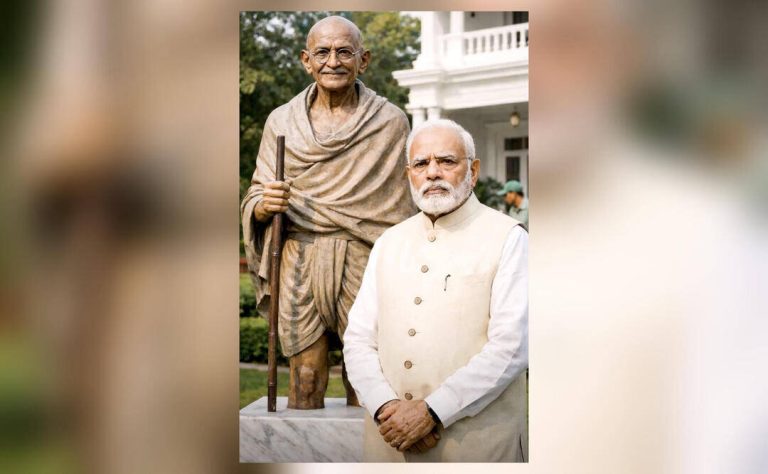
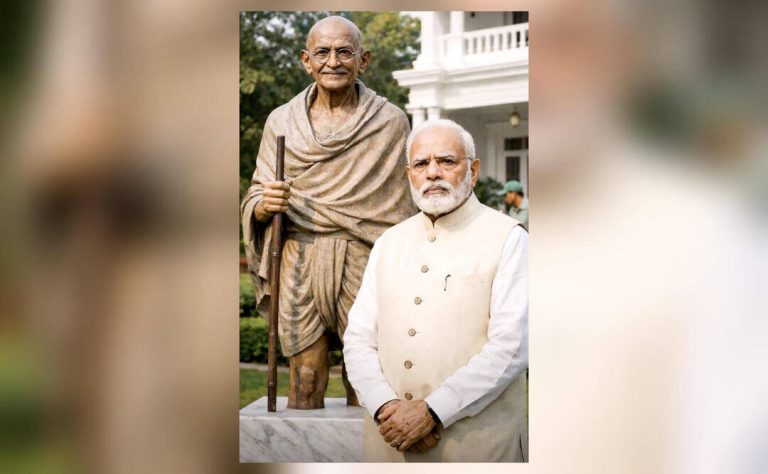
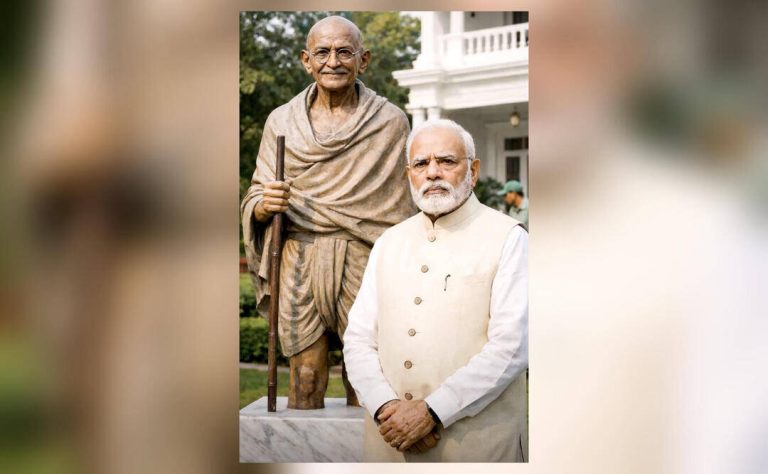
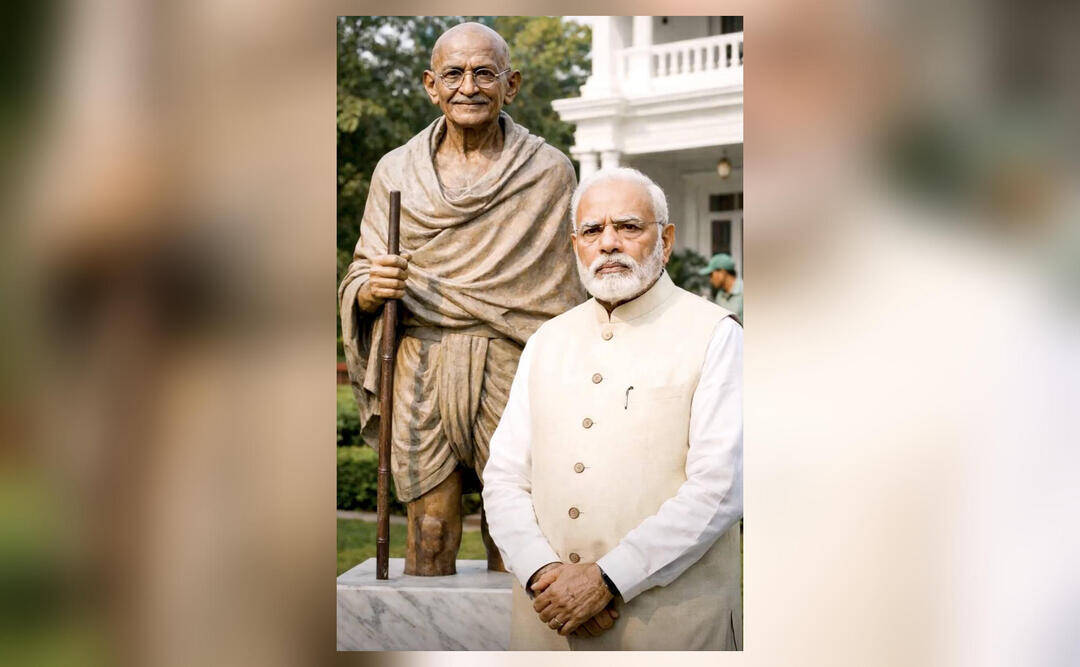
In a shocking turn of events, the Congress party has posted an AI-generated video that is making waves across the country. The video, which has been shared on social media, shows Prime Minister Narendra Modi talking to a statue of Mahatma Gandhi about the proposed replacement of the Mahatma Gandhi National Rural Employment Guarantee Act (MGNREGA) with the Vishwa Bharatiya Gramin Rozgar Abhiyan (VB-G RAM G Act). The clip has sparked a heated debate, with many questioning the authenticity and intent behind the video.
The AI-generated video shows PM Modi standing in front of a statue of Mahatma Gandhi, looking rather disconcerted. He begins by saying, “I don’t like the fact that the world recognises India through me and not through the RSS.” This statement has raised eyebrows, as it seems to suggest that the Prime Minister is more concerned about the Rashtriya Swayamsevak Sangh (RSS) being recognized globally than about the country’s image as a whole.
The statue of Mahatma Gandhi, seemingly brought to life by AI, responds to PM Modi’s statement. In a calm and collected tone, the statue says, “RSS can erase Gandhi, but his thoughts will always live.” This response has been interpreted by many as a veiled reference to the perceived attempts by the current government to undermine the legacy of Mahatma Gandhi and the values he stood for.
The video has been shared by the Congress party on their social media handles, with a caption that reads, “The truth is out. PM Modi wants to replace MGNREGA with VB-G RAM G Act, but Mahatma Gandhi’s thoughts will always live on.” The party has been vocal in its opposition to the proposed replacement of MGNREGA, citing concerns about the impact it would have on the rural employment landscape.
The MGNREGA, which was introduced by the UPA government in 2006, guarantees 100 days of wage employment per year to rural households. The scheme has been instrumental in providing a safety net to millions of rural Indians, particularly during times of economic distress. The proposed VB-G RAM G Act, on the other hand, has been criticized for being less comprehensive and more focused on rural infrastructure development.
The use of AI-generated video by the Congress party has raised questions about the role of technology in politics. While some have praised the party for its innovative approach, others have expressed concerns about the potential for misinformation and manipulation. The fact that the video is AI-generated has also led to questions about its authenticity and whether it can be considered as a genuine representation of the Prime Minister’s views.
Regardless of the controversy surrounding the video, it has undoubtedly sparked a much-needed debate about the proposed replacement of MGNREGA. The scheme has been a lifeline for millions of rural Indians, and any attempts to undermine it would have far-reaching consequences. As the debate rages on, it remains to be seen how the government will respond to the concerns raised by the opposition and the general public.
In conclusion, the AI-generated video posted by the Congress party has added a new dimension to the debate surrounding MGNREGA. While the video itself may be controversial, it has brought attention to the proposed replacement of the scheme and the potential consequences it could have. As the country moves forward, it is essential to have a nuanced and informed discussion about the role of such schemes in promoting rural employment and development.
Source: https://x.com/INCIndia/status/2003054650417893420
About the Author