Class 5 Girl Blocks Road for 3 Hrs After School Van Fails to Arrive in MP
In a shocking incident, a 10-year-old girl blocked a road in Madhya Pradesh’s Betul district for nearly three hours after her school van failed to arrive. The incident, which caused significant traffic disruption, highlights the determination and courage of a young girl who refused to back down in the face of adversity.
Surabhi Yadav, a Class 5 student, had been relying on the school van to commute to and from school every day. However, the school management had discontinued the van service for Surabhi after her family allegedly failed to pay transportation fees for the last two years. This decision left Surabhi with no other option but to find alternative arrangements to get to school.
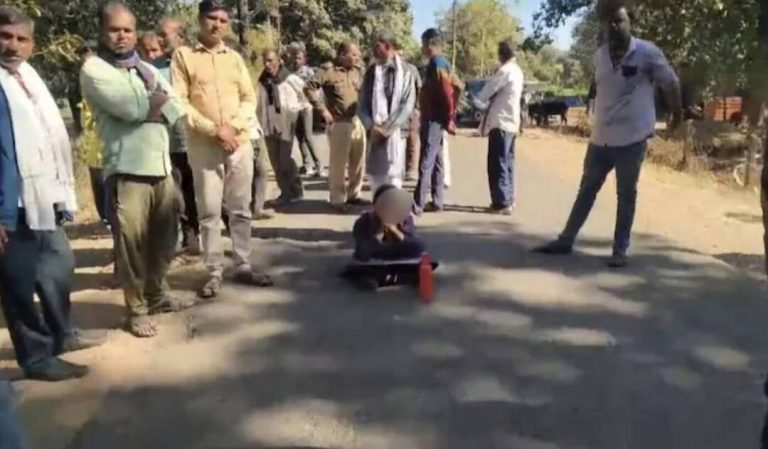
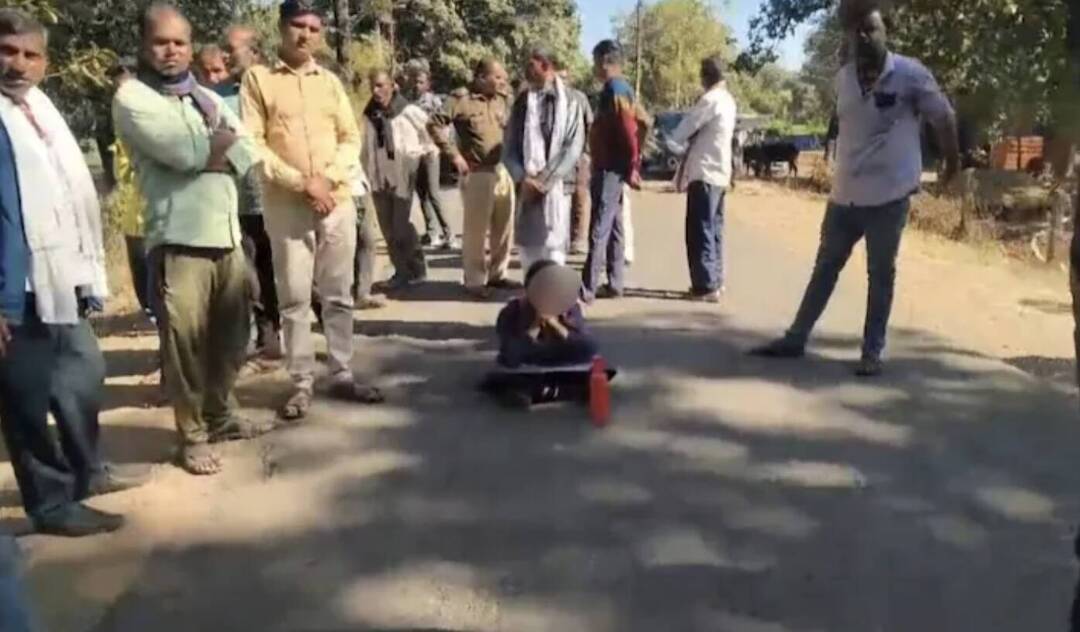
On the day of the incident, Surabhi waited for the school van to arrive, but it never came. Feeling frustrated and helpless, she decided to take matters into her own hands. She sat down on the road, holding her school bag, and refused to move. The traffic on the road came to a standstill, with vehicles piling up on both sides.
The incident caused a significant commotion in the area, with locals gathering to watch the young girl’s protest. Surabhi’s determination and courage inspired many onlookers, who praised her for standing up for her rights. However, others criticized her actions, saying that blocking the road was not the right way to resolve the issue.
As the news of the incident spread, local authorities and school officials were forced to intervene. They tried to persuade Surabhi to move from the road, but she refused, insisting that she would not budge until her demands were met. The school management eventually agreed to meet with Surabhi’s family to discuss the issue of transportation fees and find a solution.
The incident has raised questions about the responsibility of schools towards their students, particularly when it comes to providing transportation services. While the school management may have been within their rights to discontinue the van service due to non-payment of fees, it is also important to consider the impact of such decisions on students like Surabhi, who rely on these services to get to school.
Surabhi’s actions may have been seen as drastic by some, but they highlight the desperation and frustration that many students and their families face when dealing with issues like transportation fees. It is essential for schools and authorities to work together to find solutions that prioritize the needs of students and ensure that they have access to education without facing unnecessary barriers.
In this case, the school management’s decision to discontinue the van service may have been seen as a way to recover outstanding fees, but it ultimately ended up causing more harm than good. By blocking the road, Surabhi was able to draw attention to her plight and force the school management to reconsider their decision.
The incident has also sparked a debate about the role of students in advocating for their rights. While some may see Surabhi’s actions as a form of protest, others may view them as a sign of disobedience. However, it is essential to recognize that students like Surabhi are not just passive recipients of education; they are also active participants who have the right to express their opinions and advocate for their needs.
In conclusion, the incident of Surabhi blocking the road in Madhya Pradesh’s Betul district is a powerful reminder of the determination and courage of young girls like her. While the incident may have caused traffic disruption and commotion, it has also highlighted the need for schools and authorities to prioritize the needs of students and work together to find solutions that promote access to education.
As we reflect on this incident, it is essential to consider the broader implications of Surabhi’s actions and the response of the school management and local authorities. By working together to find solutions that prioritize the needs of students, we can create a more just and equitable education system that supports the development of all students, regardless of their background or circumstances.
About the Author