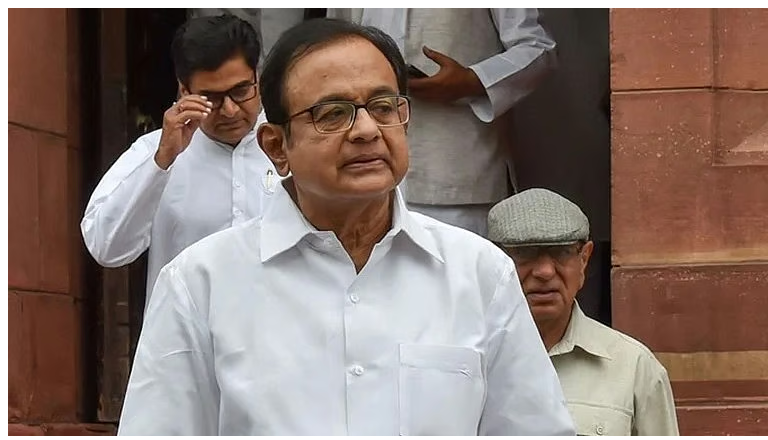
Chidambaram Blames Duopoly Model Amid IndiGo Flight Crisis
The recent IndiGo flight crisis has sent shockwaves across the country, with thousands of passengers affected by the cancellation of flights. The crisis has sparked a heated debate about the state of the airline industry in India, with many experts and politicians weighing in on the issue. Congress leader P Chidambaram has joined the fray, blaming the duopoly model in the airline industry for the crisis. In a statement, Chidambaram backed Rahul Gandhi’s comment that the “monopoly/duopoly model is ill-suited for a developing country” like India.
Chidambaram’s statement comes at a time when the government has ordered a probe into the IndiGo flight crisis and announced relief steps for affected passengers. The Congress leader argued that the duopoly model, which exists in many sectors, including the airline industry, is detrimental to the country’s economic growth. “Liberalisation and Open Economy are based on competition. Absent competition, there will be baneful consequences as we’re witnessing now in the airline industry,” he said.
The duopoly model refers to a market structure in which two companies dominate the market, often leading to a lack of competition and innovation. In the case of the Indian airline industry, IndiGo and another airline have been accused of operating in a duopoly, with many smaller airlines struggling to compete. Chidambaram’s comments suggest that this lack of competition has led to the current crisis, with IndiGo’s dominance in the market allowing it to prioritize profits over passenger convenience.
The IndiGo flight crisis has been a major embarrassment for the airline, with thousands of passengers left stranded due to cancellations. The airline has blamed a shortage of pilots for the cancellations, but many experts believe that the root cause of the problem lies in the duopoly model. With two airlines dominating the market, there is little incentive for them to invest in improving their services or to compete with each other on price or quality.
Chidambaram’s comments have sparked a debate about the need for greater competition in the airline industry. Many experts believe that the government needs to take steps to encourage more players to enter the market, which would lead to greater competition and better services for passengers. This could involve policies such as reducing taxes on aviation fuel, simplifying regulatory procedures, and providing incentives for new airlines to start operations.
The government has already taken some steps to address the crisis, including ordering a probe into the cancellations and announcing relief steps for affected passengers. However, Chidambaram’s comments suggest that more needs to be done to address the underlying issues in the airline industry. By promoting greater competition and breaking the duopoly model, the government can create a more level playing field for all airlines, which would lead to better services and lower prices for passengers.
In conclusion, the IndiGo flight crisis has highlighted the need for greater competition in the airline industry. Chidambaram’s comments blaming the duopoly model for the crisis are a timely reminder of the need for policies that promote competition and innovation. By taking steps to encourage more players to enter the market, the government can create a more vibrant and competitive airline industry, which would benefit passengers and the economy as a whole.
The government needs to take a closer look at the airline industry and identify areas where policies can be tweaked to promote greater competition. This could involve reviewing regulatory procedures, reducing taxes and fees, and providing incentives for new airlines to start operations. By taking these steps, the government can create a more level playing field for all airlines, which would lead to better services and lower prices for passengers.
As the airline industry continues to evolve, it is essential that the government takes a proactive approach to promoting competition and innovation. This would involve working closely with airlines, airports, and other stakeholders to identify areas where policies can be improved. By doing so, the government can create a more vibrant and competitive airline industry, which would benefit the economy and passengers alike.
The IndiGo flight crisis has been a major wake-up call for the airline industry, highlighting the need for greater competition and innovation. Chidambaram’s comments blaming the duopoly model for the crisis are a timely reminder of the need for policies that promote competition and better services for passengers. As the government continues to grapple with the crisis, it is essential that it takes a closer look at the underlying issues in the airline industry and takes steps to promote greater competition and innovation.
In the long run, promoting greater competition in the airline industry would have numerous benefits for the economy and passengers. It would lead to lower prices, better services, and greater innovation, which would make air travel more accessible and convenient for all. By taking steps to break the duopoly model and promote greater competition, the government can create a more vibrant and competitive airline industry, which would be a major boost to the economy and the country’s growth prospects.
About the Author