Chidambaram Blames Duopoly Model Amid IndiGo Flight Crisis
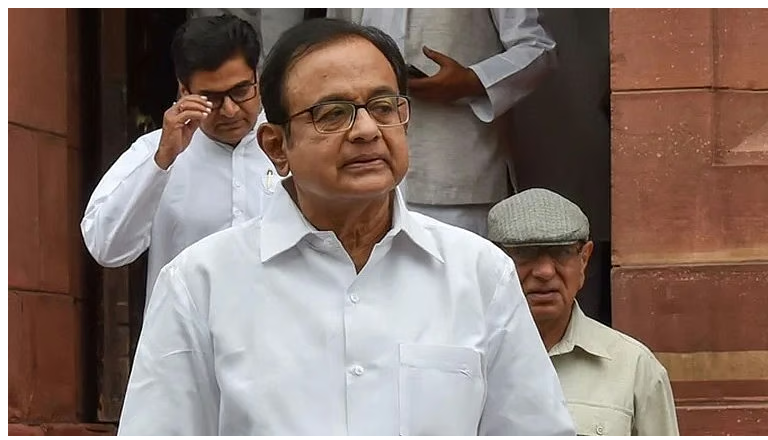
The recent chaos surrounding IndiGo flights has sparked a heated debate about the airline industry’s structure and the consequences of a duopoly model. Congress leader P Chidambaram has weighed in on the issue, backing Rahul Gandhi’s comment that the “monopoly/duopoly model is ill-suited for a developing country.” Chidambaram argued that the duopoly model, which exists in many sectors, including the airline industry, is detrimental to the country’s economic growth and development.
The IndiGo flight crisis, which has resulted in widespread disruptions and cancellations, has brought the issue of duopoly in the airline industry to the forefront. Chidambaram pointed out that the lack of competition in the industry has led to a situation where a single entity, in this case, IndiGo, has become too big to fail. This, he argued, is a recipe for disaster, as it creates an environment where the entity can operate with impunity, without fear of competition or accountability.
Chidambaram’s comments come on the heels of Rahul Gandhi’s statement, where he emphasized the need for a more competitive market structure in India. Gandhi argued that the duopoly model, which is prevalent in many sectors, including the airline industry, is not conducive to the country’s growth and development. He pointed out that a duopoly model leads to a lack of competition, which in turn leads to higher prices, poor services, and a lack of innovation.
The Congress leader’s comments have sparked a debate about the need for greater competition in the airline industry. Many experts agree that the duopoly model, which is characterized by the dominance of two or three players, is not healthy for the industry. They argue that a more competitive market structure, with multiple players, would lead to better services, lower prices, and greater innovation.
Chidambaram also pointed out that the duopoly model is not limited to the airline industry. He argued that many sectors, including the telecom and banking industries, are dominated by a few players, which has led to a lack of competition and innovation. He emphasized the need for the government to take steps to promote competition and prevent the concentration of economic power in the hands of a few entities.
The government has already taken steps to address the issue, with the Ministry of Civil Aviation ordering a probe into the IndiGo flight crisis. The ministry has also announced relief measures, including the deployment of additional staff and equipment to minimize disruptions. However, Chidambaram argued that these measures are only a short-term solution and that a more fundamental reform of the airline industry is needed to prevent such crises in the future.
The issue of duopoly in the airline industry is complex and multifaceted. On the one hand, the dominance of a few players can lead to economies of scale and greater efficiency. On the other hand, it can also lead to a lack of competition, higher prices, and poor services. The government needs to strike a balance between promoting competition and allowing players to achieve economies of scale.
In conclusion, the IndiGo flight crisis has highlighted the need for a more competitive market structure in the airline industry. Chidambaram’s comments, backing Rahul Gandhi’s statement, have sparked a debate about the consequences of a duopoly model in the industry. The government needs to take steps to promote competition, prevent the concentration of economic power, and ensure that the industry is structured in a way that benefits consumers.
As Chidambaram pointed out, “Liberalisation and Open Economy are based on competition. Absent competition, there will be baneful consequences as we’re witnessing now in the airline industry.” The government needs to take heed of this warning and take steps to promote competition and prevent the duopoly model from dominating the industry.
The way forward is clear: the government needs to promote competition, encourage new entrants, and prevent the concentration of economic power in the hands of a few entities. This can be achieved through a combination of regulatory reforms, investments in infrastructure, and measures to promote transparency and accountability. Only then can the airline industry be structured in a way that benefits consumers and promotes economic growth and development.
About the Author